
Meaningful Gifts for Kids That Build a Better World
The familiar scene usually starts the same way. A child tears through wrapping paper, gasps at something shiny, and then, a few days later, that same toy sits under the couch or at the bottom of a bin with missing pieces. Meanwhile, the room feels fuller, the child feels overstimulated, and the adult who bought the gift wonders whether any of it really mattered.
That tension is why so many families start looking for meaningful gifts for kids. They don't want to stop giving. They want the gift to do more than entertain for an afternoon. They want it to support closeness, curiosity, confidence, and kindness.
That instinct lines up with a larger shift in how families are thinking about giving. In 2024, the average U.S. consumer is expected to spend over $1,000 on holiday gifts for the first time, with children among the primary recipients. That milestone reflects growing interest in higher-quality, value-added gifts that teach something and feel worth bringing into the home.
Table of Contents
- Moving Beyond the Mountain of Toys
- What Truly Makes a Gift Meaningful
- The Four Types of Meaningful Gifts
- A Guide to Meaningful Gifting by Age
- How to Present and Talk About a Meaningful Gift
- The Lifelong Value of a Thoughtful Gift
Moving Beyond the Mountain of Toys
Holiday clutter frustrates many families because it creates a strange mismatch. The child receives more things than they can absorb, yet the adult still feels pressure to buy one more thing, just in case this is the item that becomes special.
A more helpful question is simpler. What will this gift keep doing after the excitement fades? If the answer is “not much,” it may be fun, but it isn't especially meaningful. If the answer is “it will keep inviting play, conversation, skill-building, or care,” that gift has a different kind of value.
Gift-giving continues to be a significant practice, with families making real choices about what enters their homes. In 2024, the average U.S. consumer is expected to spend over $1,000 on holiday gifts for the first time, with children being primary recipients. That spending pattern reflects a growing preference for gifts that feel substantial, useful, and educational rather than generic.
Why families are rethinking gift piles
Parents and caregivers often notice the same three problems after a gift-heavy season:
- Too many choices: A child bounces from item to item and struggles to settle into deep play.
- Short-lived novelty: Trend-driven toys can create a burst of interest, then disappear from daily life.
- No lasting thread: The gift doesn't connect to family values, a child's interests, or real learning.
A meaningful gift solves a different problem than a flashy one. It reduces noise instead of adding to it.
Practical rule: A strong gift should still make sense a month later, when the packaging is gone and the hype has worn off.
What “better” can look like
A better gift doesn't have to be expensive or elaborate. It can be a museum membership used on rainy Saturdays. It can be a plush animal that becomes part of bedtime routines. It can be art supplies that support a child who's always drawing birds, maps, or imaginary worlds.
The point isn't to make gifting serious or joyless. The point is to choose objects and experiences that help a child become more themselves.
That shift changes the whole mood of giving. Instead of asking, “What else should be added to the pile?” families can ask, “What belongs in this child's life right now?”
What Truly Makes a Gift Meaningful
A meaningful gift isn't defined by price, trend, or brand recognition. It's defined by what it grows in a child over time. Some gifts work like cut flowers. They're bright, exciting, and short-lived. Others work like seeds. They invite repeated attention, deepen with use, and shape habits, identity, and values.
That seed idea helps when adults feel stuck. If a gift supports connection, builds a skill, or helps a child care about something larger than themselves, it carries meaning well beyond the day it's opened.

A seed, not a cut flower
A gift becomes meaningful when it does at least one of these jobs well:
| Gift quality | What it looks like in real life |
|---|---|
| Builds connection | A grandparent gives a bird guide and plans a monthly park walk. |
| Teaches skill | A child receives a beginner sewing kit and learns to mend a small pouch. |
| Instills values | A gift helps a child practice care, patience, gratitude, or stewardship. |
| Lasts in use | The item returns to everyday routines instead of being forgotten. |
A coding kit, for example, isn't meaningful just because it's educational. It becomes meaningful when a child uses it repeatedly, struggles a little, improves, and feels proud. A sketchbook isn't meaningful because paper is noble. It becomes meaningful when it becomes the place where a child records insects, planets, comic ideas, or feelings.
Why tangible gifts can teach so well
Children often understand big ideas through their hands before they understand them through abstract language. That's one reason concrete objects can carry so much developmental power.
Research highlighted in a meaningful gift guide focused on educational plush and conservation learning found that species-specific plush toys paired with educational cards increased children's conservation knowledge retention by 35 to 40%, and physical interaction improved recall from 12% to 48%. That matters because it shows how emotional connection and factual learning can reinforce each other when a child can touch, hold, and care about the subject.
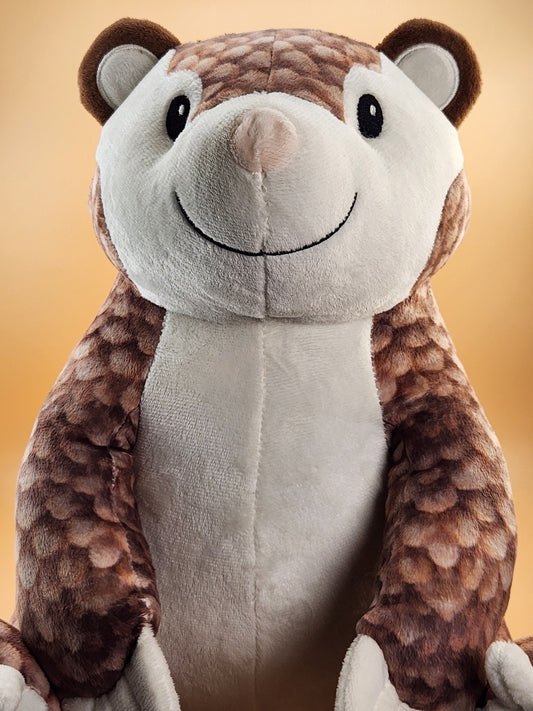
A child who hugs a pangolin plush while hearing one clear fact about pangolins is often learning more deeply than a child who only hears a lecture about endangered species.
Many adults often get confused. They assume a meaningful gift must be serious, worthy, or obviously educational. It doesn't. Meaning often enters through affection. A soft animal, a recurring outing, a hobby tool, or a shared game can all become channels for empathy and understanding.
A useful test is this:
- Would the child return to it voluntarily?
- Would it open conversation?
- Would it help the child practice something worth growing?
If the answer is yes, the gift is probably carrying more meaning than it first appears.
The Four Types of Meaningful Gifts
Many gift guides become long lists with no decision-making help. A better approach is to sort gifts by the kind of impact they create. Four categories tend to work especially well: experiences, teaching gifts, connection gifts, and gifts that give back.
Gifts of experience
Experience gifts stay with children because they live in memory and routine, not just on a shelf. A zoo membership can turn into monthly visits. A science museum pass can become a winter tradition. A nature center program can give a child a sense of place.
According to Sprout Kids' discussion of meaningful gifts for children, experience-based gifts such as zoo or museum memberships consistently rank as the most memorable and meaningful because they offer year-long educational access and turn passive interest into active learning.
Examples that work well:
- Local museum membership: Good for children who ask constant questions and like repeat visits.
- Zoo or aquarium pass: Useful for children drawn to animals, habitats, and observation.
- Workshop series: Art, pottery, or nature classes can support steady skill growth.
Gifts that teach
Some gifts build mastery slowly, which is exactly what makes them meaningful. These are tools children can return to without adult pressure.
A few strong examples include:
- Creative kits: Chalk pastel sets, watercolor materials, or beginner craft boxes that can be used over weeks.
- Instructional books: A child-friendly birding guide, a comic drawing book, or a cookbook for beginners.
- Hands-on STEM sets: Coding robots, engineering kits, or build-and-test projects.
What makes these gifts work isn't just content. It's repetition. A child who revisits the same set of materials starts to see progress. That sense of competence is part of the gift.
Gifts that connect
Some gifts mainly create relationship. They invite shared time, conversation, and family rituals.
One child might receive a backpack, small binoculars, and a reusable water bottle for family hikes. Another might get a board game that becomes part of Friday nights. A younger child might receive a blanket and a personalized book that turns bedtime into a calmer, more connected part of the day.
The most meaningful part of a gift is often the routine it creates around it.
Gifts that give back
This category matters because it helps children see that what they enjoy can also support something outside themselves. A cause-driven gift works best when it stays concrete and age-appropriate.
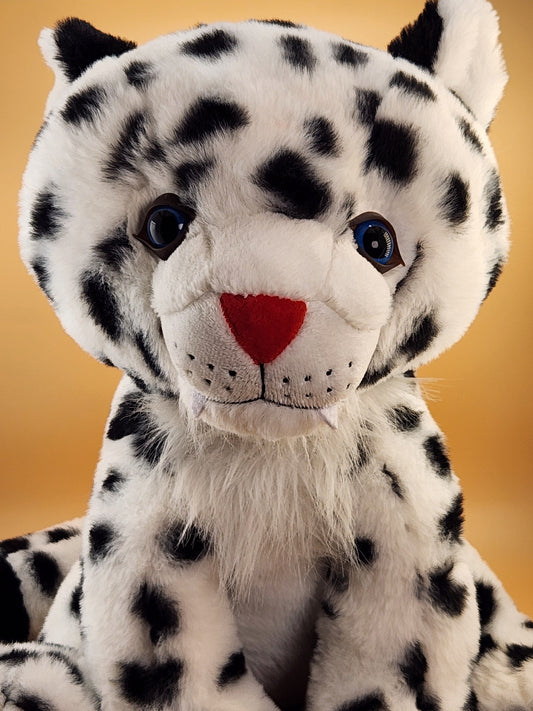
For example, one option in this category is a species-specific plush from Snugglebug, a conservation-focused brand that pairs endangered animal plush toys with educational cards and donates a portion of profits to wildlife protection. Families looking for more ideas in this category can explore gift options that give back to charity through cause-linked presents.
This doesn't mean every gift needs a mission attached. It means that, sometimes, a gift can help a child connect comfort, learning, and responsibility in one gentle package.
A Guide to Meaningful Gifting by Age
Children don't all need the same kind of meaning. A toddler usually needs sensory comfort and simple routines. An elementary-age child often wants competence and exploration. An older child may be looking for identity, independence, and a credible connection to the wider world.

Ages 2 to 5
For younger children, the body often leads the learning. Touch, repetition, and emotional safety matter more than complicated features.
A sensory-rich plush animal can be especially useful here. In children aged 2 to 6, plush animals with rich tactile features support emotional regulation, and daily engagement can reduce cortisol levels during stress events by 30% compared to digital toys, as described in Modern Minimalism's discussion of child-centered gift experiences. In plain language, soft and comforting objects can help a young child settle their nervous system.
Good choices for this age often include:
- Plush animals with distinct textures: Helpful for soothing, pretend play, and attachment.
- Simple story-based gifts: A book paired with a related toy or object.
- Open-ended materials: Blocks, scarves, animal figures, or play silks.
A practical example is a child who gets a fox plush, a short woodland picture book, and a habit of reading both together before bed. The gift is no longer just an object. It becomes part of regulation and connection.
Ages 6 to 10
At this stage, many children want gifts that say, “A trusted adult noticed who this child is becoming.” Interests start to sharpen. One child is collecting bug facts. Another is building forts. Another wants to draw dragons every afternoon.
Meaningful gifts for this age often match those emerging interests:
- A hobby starter set: Sketch pencils for the child who's always drawing.
- A field tool: Child-sized binoculars, a bug viewer, or a nature journal.
- A skill-building kit: Sewing, science experiments, cooking tools, or beginner coding materials.
Families exploring low-waste and value-centered present ideas may also appreciate eco-friendly children's gifts that support thoughtful everyday use.
A gift lands well at this age when it tells the child, “This interest matters. Keep going.”
After considering age and interests, some families like to reflect on how daily play supports development. This short video can help with that lens.
Ages 11 and up
Older children usually don't want gifts that feel babyish or overly scripted. They respond better to gifts that support autonomy and identity.
That might look like:
| Child's growing need | Meaningful gift example |
|---|---|
| Independence | Quality art supplies, a real camera for beginners, or camping gear |
| Purpose | Volunteer-based experiences, cause-driven products, or project kits |
| Self-expression | Journals, music tools, room decor tied to their interests |
A tween who cares about animals might appreciate a wildlife sketchbook and admission to a conservation center. A teen who likes being outdoors might value a real backpack and field notebook more than another novelty item.
The gift doesn't need to chase coolness. It needs to respect the child's stage.
How to Present and Talk About a Meaningful Gift
A meaningful gift can lose much of its power if it's handed over without context. Presentation matters because children don't just receive objects. They receive messages about what the object means, why it was chosen, and how it fits into family life.

Start with the child, not the lesson
Adults sometimes make the mistake of over-explaining a worthy gift. They hand a child an animal-themed toy and immediately launch into habitat loss, pollution, and all the reasons the planet is in trouble. That approach often overwhelms children, especially younger ones.
A better entry point is attachment first, information second.
For example:
- “This is a red panda. It loves climbing and resting in trees.”
- “This museum pass means Saturday can be adventure day.”
- “These watercolor supplies are for all the birds that child keeps sketching.”
That kind of language is warm and specific. It tells the child, “This gift connects to something real and something loved.”
Helpful script: “This gift is a way to learn about something wonderful, and there are small ways people can help.”
Use hopeful conservation language
This matters especially with cause-driven gifts. Many adults worry about introducing heavy topics too early, and that concern is well founded. A Doing Good Together article on kind gift choices and hopeful framing notes a major concern around conservation guilt, including the finding that 68% of children under 7 experience anxiety when introduced to severe environmental threats without emotional support. The same discussion emphasizes a hopeful conservation approach focused on agency and capability.
In practice, that means replacing fear-based messages with doable ones.
Instead of saying:
- “Animals are disappearing and people are ruining everything.”
A more helpful version is:
- “Some animals need extra help, and people all over the world are working on that.”
- “This gift helps a child learn about one animal and ways to care for the world.”
- “Even small actions matter, like noticing nature, wasting less, or learning one new fact.”
Families who want examples of this kind of child-friendly framing can read about plush friends inspiring environmental awareness in children through gentle, age-appropriate conversation.
A meaningful gift does its best work when adults keep the emotional tone steady. Curiosity works better than urgency. Relationship works better than pressure. Children are far more likely to grow into caring people when caring feels possible.
The Lifelong Value of a Thoughtful Gift
The most useful shift in gift-giving is also the simplest. A gift doesn't have to impress a room. It has to matter in a child's life.
That usually means looking past volume and novelty. It means choosing something that can support comfort, invite practice, deepen a relationship, or introduce a value in a gentle, usable way. Sometimes that's an experience. Sometimes it's a tool. Sometimes it's a plush animal, a museum pass, a hobby supply, or a shared ritual waiting to happen.
Meaningful gifts for kids help build a child from the inside out. They support emotional regulation, attention, empathy, confidence, and connection to the larger world. They also make life easier for adults because they reduce cluttered giving and replace it with intentional giving.
A thoughtful gift says more than “this looked fun.” It says, “You are known. Your growth matters. The world is worth caring about.”
Families looking for a gift that combines comfort, wildlife learning, and real-world impact can explore Snugglebug, where species-specific plush toys are paired with educational materials to help children build empathy and connection through play.