
Eco Friendly Children's Gifts: 2026 Guide
A familiar scene plays out after birthdays and holidays. A child is thrilled for an hour, maybe an afternoon, and then the room fills with cracked plastic parts, noisy battery toys, torn packaging, and gifts that somehow felt exciting in the store but don't get touched a week later.
That frustration is pushing many families toward a different kind of gift. They want presents that last longer, feel safer in small hands, and do more than entertain for a moment. They want something that fits the child and the values of the family.
That shift isn't small. The global sustainable toys market was valued at USD 42.12 billion in 2025 and is projected to reach USD 97.07 billion by 2033, according to Data Bridge Market Research's sustainable toys market analysis. Eco friendly children's gifts aren't a niche corner of the market anymore. They're becoming a normal way to shop.
A good eco friendly gift doesn't need to feel serious or sparse. It can still be soft, colorful, funny, comforting, and full of play. The difference is that it tends to be chosen with more care. The materials matter. The design matters. The message matters too.
Table of Contents
- Introduction The Shift to More Meaningful Gifting
- What Eco-Friendly Really Means for Children's Gifts
- Your Practical Guide to Choosing Sustainable Presents
- Inspiring Gift Ideas for Every Age and Occasion
- Beyond the Gift Creative Wrapping and Toy Longevity
- How Your Thoughtful Gift Creates a Ripple of Impact
Introduction The Shift to More Meaningful Gifting
Families often aren't looking for perfection. They're looking for relief from clutter, fewer impulse purchases, and gifts that don't become instant trash. That search leads many parents and caregivers to eco friendly children's gifts because they often solve several problems at once.
A well-chosen sustainable gift can reduce waste, avoid questionable materials, and support longer, calmer play. It can also help adults feel better about what they're bringing into the home. Instead of adding one more disposable object to a crowded shelf, the gift becomes something worth keeping.
The strongest part of this shift is that it doesn't ask families to give up joy. It asks them to raise the standard.
A meaningful gift doesn't need more buttons, more packaging, or more noise. It needs more staying power.
Children often respond well to toys that leave room for imagination. Wooden blocks become roads, castles, and animal homes. A soft plush becomes a bedtime companion, a classroom helper, or the star of a made-up story. Art materials without flashy gimmicks invite children to do more of the creative work themselves.
That is where eco friendly children's gifts stand out. They often support slower, richer play while also reflecting thoughtful choices about materials, packaging, and purpose. For many families, that combination feels less like a restriction and more like an upgrade.
What Eco-Friendly Really Means for Children's Gifts
"Eco-friendly" sounds simple, but it can be slippery in practice. A toy can be marketed with leaves on the box and still rely on vague claims, unnecessary packaging, or poor durability. For children's gifts, the better question isn't whether a product looks green. It's whether the whole product was designed with care.
It starts with the full life of the gift
A useful way to think about eco friendly children's gifts is to follow the life of the item from beginning to end.
Was it made from a material that comes from a responsibly managed source, recycled feedstock, or a lower-impact fiber? Was it finished with non-toxic dyes, paints, or glues suitable for frequent handling? Will it survive years of use, hand-me-downs, and classroom-style wear? And when it finally reaches the end of its life, can it be recycled, composted, or at least separated into simple materials?

Toy waste adds up quickly. Good Good Good's guide to eco-friendly gifts for kids notes that consumers throw away 28.6 million toys every year. This makes durability and end-of-life planning more than a nice bonus. They're central to the decision.
A simple example helps. A flimsy novelty toy may use little material, but if it breaks after a few days, the environmental cost gets compressed into a tiny window of use. A sturdy wooden puzzle, cotton play scarf, or durable recycled-plastic truck may stay in circulation for years. That longer lifespan changes the whole equation.
For families curious about alternative fabrics in soft goods, a plain-language explainer on what bamboo fabric is can help sharpen questions to ask before buying.
The five signs worth checking
Eco friendly children's gifts usually share five traits.
- Sustainable materials matter first. FSC-certified wood, organic cotton, and responsibly sourced recycled plastic are stronger signals than generic words like "natural."
- Durability matters just as much. A gift that can be passed to a sibling or classroom has more value than one designed for a short trend.
- Ethical production matters, even if it isn't always visible at first glance. Clear material disclosures and manufacturing details are a good sign.
- Minimal packaging makes a difference. Recyclable paper packaging is easier to deal with than molded plastic trays and layers of film.
- Educational value can turn a gift into a habit-forming experience. A toy that helps a child care for animals, nature, or resources does more than fill time.
Practical rule: If a product only says "eco" but doesn't explain the materials, finishes, or packaging, it hasn't given the buyer enough information.
That last point often gets overlooked. A gift can be lower waste and still feel forgettable. The strongest options do something more. They help children build connection. That may happen through gardening tools sized for small hands, art materials made for open-ended play, or a plush animal that introduces a species and its habitat.
Your Practical Guide to Choosing Sustainable Presents
Shopping gets easier when the search turns into a checklist. Instead of trying to judge every toy at once, it helps to scan a few specific details in a product listing, box, or label.
A visual checklist makes that process simpler.

Check the materials first
Material choice is often the fastest way to separate strong options from weak ones. According to The Ethos guide to sustainable gift ideas for kids, prioritizing third-party certifications like FSC-certified wood can mean choosing products with 70% lower emissions than plastic alternatives. That same material focus also helps buyers avoid products with unclear chemical profiles.
A short shopping table can help:
| Material | Why families choose it | Practical example |
|---|---|---|
| FSC-certified wood | Renewable, durable, often lower plastic use | Blocks, puzzles, pull toys |
| Organic cotton | Softer textile option with better input controls | Dolls, soft books, dress-up items |
| Recycled plastic | Gives existing material another use | Sand toys, bath toys, toy vehicles |
Wooden toys work well for stacking, sorting, pretend kitchens, and puzzles. Organic cotton fits baby gifts, comfort items, and washable play pieces. Recycled plastic can make sense for sturdy toys used outdoors, in water, or in rough everyday play.
Read certifications like a shortcut
Many shoppers get stuck here because labels can feel cryptic. Certifications aren't magic, but they can save time.
Look for marks and wording that tell a buyer something concrete about sourcing or chemical screening. FSC-certified wood points to managed forest sourcing. Organic cotton labels can signal tighter standards for the fiber. Greenguard-style screening can be useful when a product may release chemicals or VOCs into the air around children.
A useful test is whether the product page explains the certification in plain language. If it hides behind slogans, that isn't helpful. If it says what the wood is, how it was finished, and why that matters for children, that is more trustworthy.
The video below offers a helpful way to think about lower-waste gift choices in everyday life.
Look closely at packaging
Packaging tells the truth about a brand's priorities faster than most marketing copy. A thoughtful gift may arrive in a plain cardboard box with paper padding, soy-based ink, and no plastic window. A less thoughtful one may bury a tiny toy inside layers of twist ties, trays, and glossy wrapping.
A quick package check can include:
- Outer box made from paperboard or recycled cardboard.
- Inner filler made from paper instead of plastic air pillows.
- Minimal extras such as fewer plastic ties, tabs, and display trays.
- Reusable parts such as cloth bags, storage tins, or sturdy boxes that stay useful.
A common point of confusion is whether "plastic-free" is always the goal. Not necessarily. A durable item made from recycled plastic and sold in simple recyclable packaging may be a stronger choice than a fragile natural-material item that wears out fast.
Think about circularity before checkout
Circularity sounds technical, but the basic question is simple. What happens next?
Can the gift be repaired, washed, refilled, handed down, or donated easily? Can the materials be separated? Is one dominant material used, or is the item a mix of glued layers that can't be reused or recycled well?
Choose the toy that still makes sense after the party is over, after the batteries would have died, and after the first owner has outgrown it.
Durable construction matters more than trend appeal. A wooden train set with replaceable parts, a fabric doll with washable clothes, or a recycled-plastic truck with no electronics often has a cleaner second life than a highly specialized novelty toy.
Inspiring Gift Ideas for Every Age and Occasion
Gift ideas become easier once the focus shifts from categories in a toy store to the way children play at different ages. A toddler needs sensory comfort and simple repetition. A preschooler wants pretend play and mastery. An older child often wants challenge, identity, and stories that feel meaningful.

For toddlers and young preschoolers
At this stage, simple is often better.
Wooden shape sorters, stacking toys, soft organic-cotton dolls, and bath toys made from recycled plastic tend to work well because they invite repeat play without overwhelming the child. A set of wooden blocks can become a first construction toy, an animal home, or a tool for learning colors and balance.
Good examples for this age include:
- Wooden blocks for grasping, stacking, knocking down, and rebuilding.
- Soft cloth dolls or comfort toys for emotional security and pretend care.
- Push and pull toys that support movement without noisy electronics.
- Simple art supplies such as chunky crayons or washable fabric play pieces.
These gifts often stay relevant because they don't lock a child into one script. The child supplies the imagination.
For preschool and early elementary years
It is here that eco friendly children's gifts can start carrying a stronger message.
Pretend play sets, gardening kits, nature journals, wooden animal figures, and open-ended craft materials all work well because children at this age enjoy stories and roles. A gardening set can teach patience and responsibility. A wooden animal habitat set can spark questions about forests, oceans, and food chains.
Jejune Magazine's eco-friendly gift ideas for kids highlights a gap many families feel. Parents often want gifts with educational value, but sustainability and child development are rarely connected clearly in mainstream gift guides. Gifts that teach stewardship, including species-themed plush toys, help connect play with empathy and conservation literacy.
That makes a practical difference. A child who hugs a red panda plush, hears a bedtime fact about forest habitats, and then asks where red pandas live is doing more than playing. The child is building a relationship with the natural world.
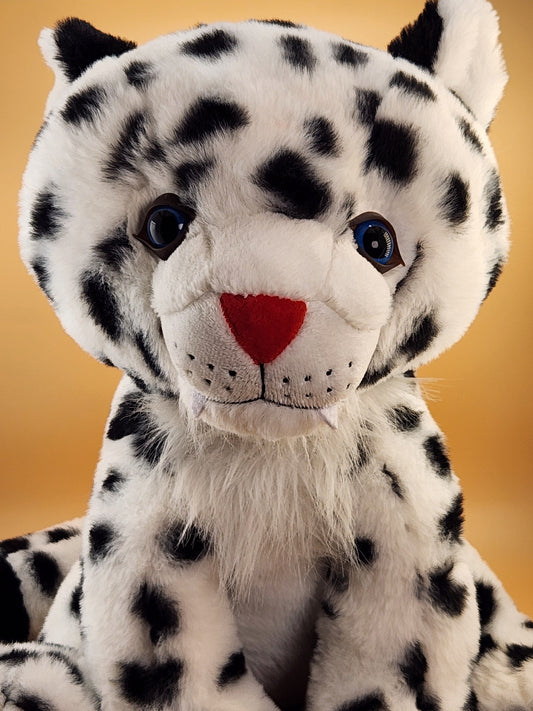
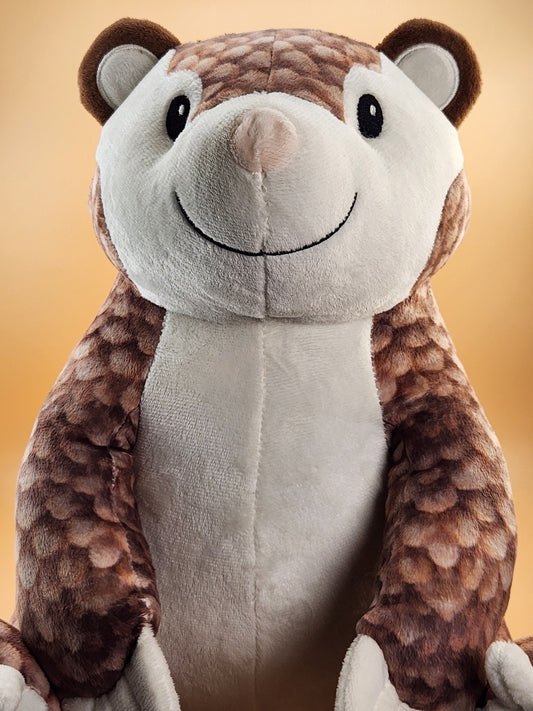
One example in this category is Snugglebug, a plush line built around endangered species such as pangolins, snow leopards, red pandas, and whooping cranes. Each plush comes with an educational card and connects the gift to wildlife learning in a concrete, child-friendly way.
For more age-matched ideas in this style, a roundup of educational toys for kids can help narrow the field.
For older children who want meaning as well as fun
Older children often enjoy gifts that give them some ownership over learning. They may be less excited by "eco" as a label and more interested in what they can do with the item.
That can look like:
- Science and nature kits that support observation, collecting, or habitat learning
- Higher-quality art supplies that last and can be refilled or reused
- Build-your-own kits with sturdy wood or recycled components
- Books paired with a related object such as a bird guide and simple binoculars
- Species-themed gifts that connect a beloved animal to a real conservation story
The most memorable eco-friendly gift is often the one that gives a child a role. Caretaker, builder, observer, artist, or protector.
For birthdays, classroom rewards, or holiday gifts, the strongest choice is often the one that blends durability with a clear emotional or educational thread. That is what makes a present memorable after the wrapping is gone.
Beyond the Gift Creative Wrapping and Toy Longevity
The gift itself is only part of the footprint. Wrapping, storage, cleaning, repair, and eventual hand-me-downs shape whether a present becomes waste quickly or stays useful for years.

Wrap beautifully with less waste
Sustainable wrapping doesn't need to look plain. It often looks warmer and more personal.
A few practical options stand out:
- Fabric wrapping turns a scarf, tea towel, or cloth square into part of the gift.
- Reused paper such as maps, newspaper, or saved kraft paper can look thoughtful with twine or a sprig of greenery.
- Reusable gift bags are useful for families who exchange gifts often.
- Decorated boxes can become toy storage, art supply bins, or keepsake containers later.
Children often enjoy this part more than adults expect. Stamped paper, hand-drawn tags, and cloth wrapping make the unwrapping feel intentional rather than disposable.
Help toys stay in use longer
Toy longevity isn't just about buying durable items. It depends on care.
Wooden toys benefit from dry storage and gentle cleaning. Soft toys last longer when spot-cleaned promptly and repaired before small tears spread. Craft kits stay usable when pieces are sorted into containers instead of left in torn cardboard inserts.
A practical routine helps:
| Stage | Simple action |
|---|---|
| After opening | Save care tags, instructions, and spare parts in one envelope |
| During use | Rotate toys so fewer items get heavy wear at once |
| At first damage | Repair loose seams, sand rough wood edges, replace missing fasteners if possible |
| When outgrown | Clean fully and donate, pass on, or store for younger children |
Circularity matters here. Reviewed's feature on eco-friendly toy brands notes that Green Toys uses 100% post-consumer recycled plastic and had diverted over 105,000,000 milk jugs from landfills at the time of reporting. That example shows how recycled materials and long-lasting design can work together when products stay in use.
If a child has outgrown a toy, the next step matters. Donate complete sets, not bags of mixed parts. Pass items to schools, therapists, relatives, or community groups that can use them right away. A second life is easier when the toy is clean, intact, and easy to understand.
How Your Thoughtful Gift Creates a Ripple of Impact
A thoughtful gift does more than avoid waste. It teaches a child what care looks like in ordinary life.
When adults choose eco friendly children's gifts, they show that materials matter, quality matters, and living things matter. A child may not remember every detail about FSC-certified wood or recyclable packaging, but the child does absorb the pattern. Some objects are chosen carefully. Some things are worth repairing. Some gifts carry a story bigger than the item itself.
That is why the educational side of gifting matters so much. A species-themed plush, a garden kit, a bird journal, or a nature art set can help a child connect feelings with facts. Empathy grows more easily when the subject is tangible. A child who loves an animal is often more ready to learn about its habitat, threats, and protection.
There is also a broader effect in the household. More thoughtful gifts can reduce clutter, shift buying habits, and encourage families to talk differently about celebrations. Instead of asking, "What else should be added?" the conversation becomes, "What will this child return to again and again?"
That ripple can extend beyond the home as well. Families interested in the connection between play and conservation can see one example in the real-world impact behind a mission-driven plushie, where the gift is tied to support for wildlife protection and habitat-focused work.
Small purchasing decisions won't solve every environmental problem. They can still shape a child's sense of responsibility, wonder, and belonging in the natural world. That is a meaningful place to start.
Families looking for a gift that combines softness, species learning, and conservation support can explore Snugglebug. Its plush toys are modeled after real endangered animals and designed to help children build empathy through everyday play.