
Discover the Best Educational Toys for Kids 2026 Guide
A parent stands in the toy aisle, staring at boxes that all promise learning. One says it teaches numbers. Another claims to build creativity. A third lights up, sings songs, and calls itself STEM. The hard part isn’t finding toys. It’s figuring out which ones will foster a child’s growth.
That question matters because families are paying closer attention to play with a purpose. The global educational toys market was valued at USD 71.32 billion in 2025 and is projected to grow to USD 76.96 billion in 2026, reflecting stronger parental interest in developmental toys that support cognitive and motor skill growth, according to Fortune Business Insights on the educational toys market.
The best educational toys for kids usually aren’t the loudest or most complicated. They’re the ones that match a child’s stage of development, invite hands-on exploration, and leave room for imagination. They also fit real family life. They’re safe, durable, and interesting enough to be used again and again.
Table of Contents
- What Truly Makes a Toy Educational
- How to Choose Educational Toys by Age and Developmental Stage
- Key Learning Domains to Consider in Any Toy
- Beyond the Box How to Use Toys to Teach
- Evaluating Toy Safety and Sustainability
- The Best Toy Is the One That Inspires Connection
What Truly Makes a Toy Educational
A toy doesn’t become educational just because the box says so. Many parents understandably assume “educational” means letters, numbers, or quiz-style electronics. That’s only one small part of learning.

An educational toy helps a child practice a skill through play. That skill might be stacking, sorting, pretending, comparing, building, squeezing, retelling, or taking turns. One child learns cause and effect by dropping a ball into a ramp. Another learns emotional expression by tucking a plush animal into bed and acting out a caring routine.
Practical rule: If a toy does all the work for the child, it usually teaches less than a toy that asks the child to think, move, decide, and imagine.
A helpful way to judge a toy is to ask four simple questions:
- Does it invite action? A shape sorter, puzzle, block set, or play kitchen gives a child something to do, not just something to watch.
- Does it grow with the child? Stacking cups can start as a banging toy, become a tower-building toy, and later turn into a pretend tea set.
- Does it support more than one kind of learning? Wooden blocks can build motor control, early math ideas, spatial thinking, and cooperation.
- Does it leave room for imagination? Open-ended toys usually have longer staying power than single-purpose gadgets.
Parents often get confused here because “academic” and “educational” sound like the same thing. They aren’t. A dress-up basket teaches social understanding. A set of animal figures encourages storytelling. A simple ball supports coordination, timing, and turn-taking.
That broader definition matters. The best educational toys for kids help children become curious, capable, and connected. A good toy can support problem-solving, emotional intelligence, physical confidence, and even compassion for the living world. That last part often gets overlooked, yet it’s one of the most meaningful kinds of learning a toy can offer.
How to Choose Educational Toys by Age and Developmental Stage
Age labels are helpful, but development matters more than packaging. Two children of the same age may play very differently. One may want to sort by color. Another may still be exploring by mouthing, banging, and carrying objects from room to room.

The simplest approach is to match toys to the skills a child is building right now. That keeps play fun instead of frustrating.
Infants 0 to 12 months
Infants learn with their whole bodies. They look, grasp, kick, shake, mouth, and listen. At this stage, educational toys should support sensory exploration and early movement.
Good choices include soft blocks, high-contrast board books, textured balls, grasping toys, simple rattles, and unbreakable mirrors. A cloth book with crinkly pages teaches that actions create results. A soft ball encourages reaching, rolling, and early coordination.
A useful test for this age is simplicity. If a toy has too many features, the baby may miss the main learning opportunity. A single ring that’s easy to grasp can be more valuable than a crowded activity panel.
Toddlers 1 to 3 years
Toddlers are busy scientists. They dump, fill, stack, hide, repeat, and test limits. They also begin building language quickly, so toys that support naming, matching, and action words are especially useful.
Research highlighted by Robocraze’s guide to learning toys by age notes that for children aged 1 to 3 years, toys like shape sorters and stacking rings are important for hand-eye coordination. The same source also points to findings from The Journal of Infant Behavior and Development showing that children in spaces with fewer toys display more sustained attention and imagination. That’s a strong reminder that quality matters more than quantity.
Some strong examples for toddlers:
- Shape sorters: These build visual discrimination and persistence.
- Stacking rings and cups: These support coordination, size comparison, and sequencing.
- Push-and-pull toys: These encourage balance, movement, and body awareness.
- Board books: These expand vocabulary through pointing and repetition.
- Simple music instruments: Shakers and drums help children notice rhythm, tempo, and cause and effect.
For families comparing block-based toys, this guide to stacking wood blocks gives practical examples of how simple building play supports focus and coordination without overstimulating features.
Fewer well-chosen toys often lead to deeper play. A toddler with three engaging options will often explore each one more fully than a toddler surrounded by a crowded shelf.
Preschoolers 3 to 5 years
Preschoolers begin using symbols more confidently. A block becomes a bus. A scarf becomes a cape. A child becomes a veterinarian, shopkeeper, bird rescuer, or train engineer. This stage is ideal for toys that support pretend play, construction, and simple rule-following.
Useful options include dress-up clothes, puppets, magnetic tiles, wooden blocks, beginner board games, toy animals, and art materials. A child building a zoo with blocks isn’t just “playing animals.” That child is planning space, assigning roles, solving problems, and telling a story.
This is also a strong age for basic puzzles and matching games. The key is making sure the challenge feels manageable. If a toy is too easy, attention fades. If it’s too hard, frustration takes over.
Early elementary 6 years and up
Older children usually want toys and tools that let them make something, test an idea, or complete a project. Their play often becomes more detailed and more goal-directed.
For children aged 4 to 8 years, recommendations identified in the same Robocraze source include medium construction sets such as standard LEGO and K’nex, along with hands-on science kits like crystal-growing sets and simple circuit projects. These toys work well because they ask children to follow steps, hold ideas in sequence, and experiment with outcomes.
A short comparison can help:
| Toy type | What it supports | Example |
|---|---|---|
| Construction sets | Spatial reasoning, persistence, planning | Building a bridge that can hold toy animals |
| Science kits | Observation, prediction, curiosity | Testing what happens in a simple crystal project |
| Craft kits | Fine motor control, sequencing, design | Cutting, folding, and assembling a model |
| Strategy games | Turn-taking, memory, flexible thinking | Choosing moves and adjusting plans |
The best educational toys for kids at this age still leave room for play. Even a structured kit becomes richer when the child can modify it, explain it, or connect it to something seen in everyday life.
Key Learning Domains to Consider in Any Toy
Some toys are easy to sort by age but harder to judge by value. That’s where learning domains help. Instead of asking only “Is this for a four-year-old?” it helps to ask “What kind of learning does this toy encourage?”

A single toy can support several domains at once. That’s often a sign of strong value. Wooden blocks, for example, can teach balance, counting, collaboration, and storytelling in one play session.
STEM and problem solving
STEM in early childhood doesn’t need to look like formal science lessons. It often starts with everyday questions. Which block will make the tower stronger? Why did the ball roll faster on this ramp? How can the bridge hold more weight?
Construction toys, gears, ramps, sorting sets, measuring cups, magnetic tiles, and beginner science kits all fit here. A child experimenting with a marble run is learning prediction and cause and effect. A child sorting shells, stones, or colored bears is noticing patterns and categories.
The strongest STEM toys invite trial and error. They don’t rush in with a loud “correct” answer. They let children test an idea, notice what happened, and try again.
Literacy and language
Language-rich toys encourage naming, describing, retelling, and asking questions. Books are an obvious choice, but they’re not the only one. Puppets, animal figures, dollhouses, play food, and pretend stores also build vocabulary.
A child holding a toy fox might say, “It’s hiding in the den.” That sentence draws on memory, word choice, and imagination. Add an adult who asks, “What does the fox need next?” and the language stretches further.
Helpful examples include:
- Story baskets: A few props from a favorite book for retelling events
- Puppets: Useful for dialogue, feelings, and turn-taking in conversation
- Picture cards: Good for naming, sorting, and making simple stories
Later in play, a short visual explanation can help adults notice how ordinary toys teach big skills.
Social-emotional learning
Children also need toys that help them practice care, empathy, comfort, and self-expression. Plush toys, dolls, role-play sets, puppets, and small-world figures can all support this domain.
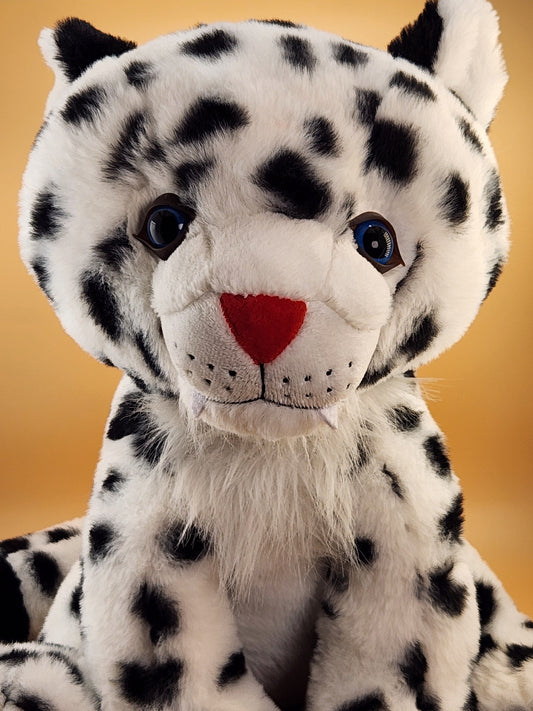
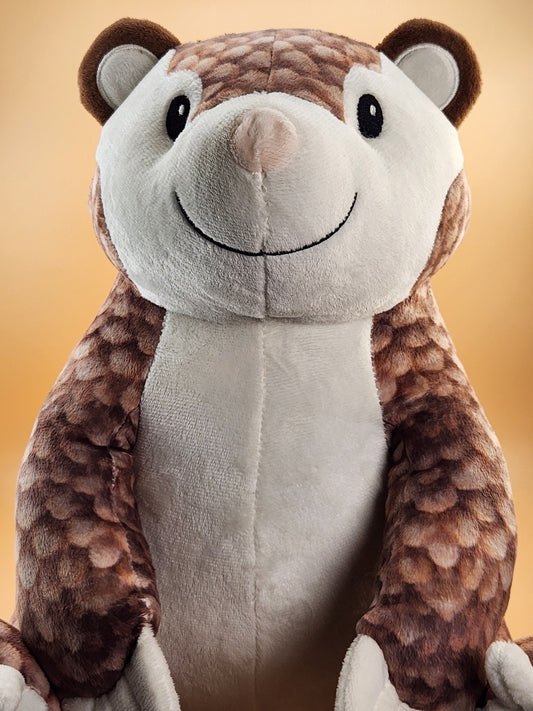
This is also an area where conservation-themed play can become meaningful. A species-based plush toy, such as one from Snugglebug’s wildlife plush collection, can support pretend play, emotional comfort, storytelling, and early conversations about animals and habitats. A child may hug the toy when upset, create a rescue story, or ask where that animal lives.
A toy becomes powerful when it helps a child care about something beyond the toy itself.
That emotional bridge matters. Children who feel connected to animals often become more interested in nature, habitats, and gentle caregiving.
Motor skills
Motor development includes both large body movement and hand control. Families often focus on alphabet toys and forget that movement is learning too.
Fine motor toys include beads with large laces, stacking toys, knobs-and-pegs puzzles, tongs, nesting sets, and play dough tools. Gross motor materials include balls, tunnels, stepping stones, ride-ons, and simple balance toys.
A quick check can help parents spot the learning in movement play:
- Finger work: Does the toy ask the child to pinch, twist, press, lace, or stack?
- Whole-body movement: Does it encourage crawling, pushing, carrying, balancing, or throwing?
- Coordination: Does the child need to guide one hand with the other, or match eye movement to body movement?
The best educational toys for kids often cross domains. A set of blocks can be STEM, language, and motor learning at once. That overlap is where much of the richest play happens.
Beyond the Box How to Use Toys to Teach
Even an excellent toy can fall flat if it’s handed over with no support and no conversation. Children learn most effectively through interaction. The toy matters, but the relationship around the toy matters more.
Use better questions
Adults often ask quiz questions during play. “What color is that?” “How many blocks?” Those aren’t wrong, but they can shut down richer thinking if they’re the only kind asked.
Open-ended prompts work better because they invite reasoning and imagination.
-
Instead of “Is that the red block?”
Try “What could this block become?” -
Instead of “Did the tower fall?”
Try “Why do you think it tipped over?” -
Instead of “What animal is that?”
Try “What kind of home would this animal need?”
Conversation starter: “Show what happens next” often gets more language and creativity than “Tell what this is.”
Connect play to the real world
Children remember more when play links to something concrete. A toy animal can lead to a picture book about habitats. Blocks can connect to bridges seen on a walk. Play food can connect to washing fruit in the kitchen.
For stuffed-animal play, these educational activities with stuffed animals offer examples of extending pretend play into storytelling, care routines, and nature-based learning.
A few easy examples work well:
- With blocks: Build a shelter, then talk about what makes a home strong.
- With animal figures: Sort by habitat, then look outside for local birds or insects.
- With a doctor kit: Practice turn-taking and gentle care before a real appointment.
Set up simple invitations to play
Children don’t need elaborate activities. A small, thoughtful setup is often enough. Three wooden animals beside blocks can invite habitat building. A basket with scarves, puppets, and a book can start a story. A tray with stacking cups and scoops can become a problem-solving station.
The most useful invitations have one clear idea and space for the child to take over. Too many materials can make play feel noisy and scattered. A calm setup helps children focus, choose, and persist.
Adults don’t need to direct every minute. Sometimes the best teaching move is to watch closely, wait, and join only when the child signals interest.
Evaluating Toy Safety and Sustainability
A toy can be creative and engaging, but if it isn’t safe or well made, its value drops quickly. Parents and caregivers need a practical filter that works in stores, online, and when receiving gifts.

Safety first
Start with age fit. A toy that’s safe for an older sibling may be dangerous for a toddler who still mouths objects. Then look closely at the toy itself.
A simple checklist helps:
- Size and parts: Check for loose buttons, tiny detachable pieces, and anything that could become a choking hazard.
- Materials: Look for clear labeling around non-toxic materials and avoid toys with a strong chemical smell.
- Construction: Tug on seams, wheels, and glued parts. A toy should hold up to normal child use.
- Cleanability: Babies, toddlers, classrooms, and therapy spaces need toys that can be wiped or washed easily.
Some families also need toys that support regulation and comfort, not just skill practice. According to Mommyhood101’s overview of educational toys, many mainstream guides overlook children with developmental or sensory needs, and the same source notes that plush play can reduce anxiety in 78% of children with special needs. That makes soft, comforting toys worth considering in homes and care settings where emotional security is part of learning.
Sustainability matters too
A sustainable toy isn’t only about the material. It’s also about lifespan, repairability, packaging, and whether the toy keeps being used after the novelty wears off.
A durable wooden sorter, a well-made set of blocks, or a plush companion used for years often has more long-term value than a plastic novelty toy that breaks quickly or loses appeal after a week. Families can ask:
- Will this last? Strong stitching, solid wood, and sturdy joints matter.
- Will this be reused? Open-ended toys usually stay relevant longer.
- How much packaging comes with it? Minimal packaging often means less waste.
- Does the brand reflect family values? Some caregivers prefer toys tied to environmental learning or broader social impact.
That last question matters more than it may seem. Toys shape not only skills but also habits of attention. A thoughtful toy can teach children that objects are worth caring for, repairing, sharing, and using with purpose.
The Best Toy Is the One That Inspires Connection
The best educational toys for kids don’t need to be flashy. They need to invite something real. Curiosity. Movement. Storytelling. Comfort. Problem-solving. Shared attention between a child and a caring adult.
The strongest choices usually follow a simple pattern. They match the child’s developmental stage, support one or more learning domains, and meet practical standards for safety and durability. They also leave room for the child to lead. That’s where imagination does its best work.
A block tower built with a grandparent, a puppet story told before bed, or a plush animal carried through a difficult day can teach more than a toy with endless buttons. Those moments build language, confidence, and belonging. They can also spark care for animals, habitats, and the wider world.
For families who want play to carry that kind of meaning, this look at the educational value of wildlife stuffed animals offers one more lens for choosing toys that support empathy alongside learning.
A thoughtful toy doesn’t just keep a child busy. It helps a child connect. And connection is where lasting learning begins.
Parents, gift buyers, and educators looking for toys that combine comfort, wildlife learning, and conservation can explore Snugglebug, where plush companions are paired with educational animal facts and a mission tied to real-world habitat protection.