
Wildlife Gifts for Kids: Inspire a Love for Nature
A parent stands in a toy aisle, holding a plush tiger in one hand and a science kit in the other, trying to answer a familiar question. Will this gift get used for more than a week, and will it teach anything that matters?
That moment carries more weight than it seems. A well-chosen wildlife gift can do more than entertain a child on a birthday morning. It can help a child practice empathy, learn how animals live, and begin to understand that people share responsibility for the living world.
That's why thoughtful wildlife gifts for kids deserve a closer look. The strongest choices don't just look cute on a shelf. They invite questions, stories, sensory play, and real conversations about habitats, endangered species, and care.
Table of Contents
- More Than Just a Toy Why Thoughtful Wildlife Gifts Matter
- The Four Pillars of an Effective Wildlife Gift
- Exploring Different Types of Wildlife Gifts
- How to Turn a Gift Into a Lifelong Lesson in Stewardship
- A Conscious Giver's Guide to Ethical Purchasing
- Fostering Future Conservationists Through Play
More Than Just a Toy Why Thoughtful Wildlife Gifts Matter
In many families, the search starts with good intentions. A grandparent wants a birthday gift that feels meaningful. A teacher wants a classroom comfort object that also supports a lesson. A parent wants something softer and calmer than another flashing plastic gadget.

That instinct makes sense. According to a 2024 summary discussing Smithsonian Education Lab findings, 78% of parents want wildlife gifts that include “concrete steps kids can take to help,” but only 12% of commercial wildlife gift guides provide such activity-based educational content. The gap is easy to feel in stores. Many products offer an animal face, but very little guidance on what a child can learn or do with it.
A gift can open a conversation
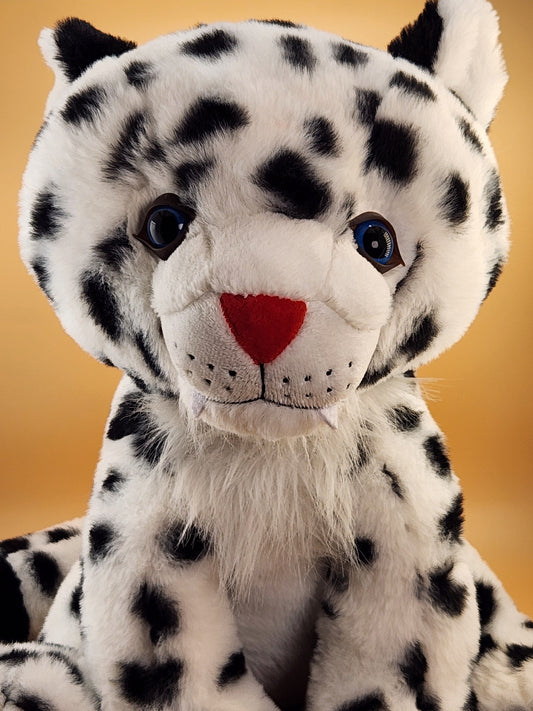
A child who receives a snow leopard plush might first notice the softness. Then the questions begin. Where does it live? Why is its tail so long? Why can't people just leave its home alone?
That chain of curiosity matters. It turns a gift into a bridge between affection and understanding.
Practical rule: If a wildlife gift doesn't help a child ask better questions, it probably won't hold meaning for long.
Soft toys and books often work especially well because they fit naturally into everyday family rhythms. A caregiver can read a species card at bedtime, bring the toy into pretend play, or use it in a morning discussion before school. Those small moments build memory more effectively than a single burst of excitement on the day the wrapping paper comes off.
Meaning often matters more than novelty
Children don't need a perfect lecture on conservation. They need a starting point that feels safe, warm, and concrete. A plush pangolin, a bird guide, or a feeder kit can give abstract ideas a shape they can hold.
A practical example helps. In one home, a child receives a red panda plush with a simple fact card. At first, the toy becomes a bedtime companion. A week later, the caregiver uses the card to talk about forests. Later still, the child draws a “red panda home” and asks what happens when forests are cut down. The gift has already done more than entertain. It has helped build empathy, conservation literacy, and global citizenship in age-appropriate steps.
The Four Pillars of an Effective Wildlife Gift
A strong wildlife gift does more than decorate a shelf or fill a toy box. It works like a small ecosystem. Each part supports the others, and if one part is weak, the whole experience loses force.
That is why a simple four-part framework helps. Parents and educators can ask four clear questions. Will this gift teach something true? Does it fit the child's stage of development? Was it made in a way that respects the living world? Does it connect the child to real conservation work?

Educational value
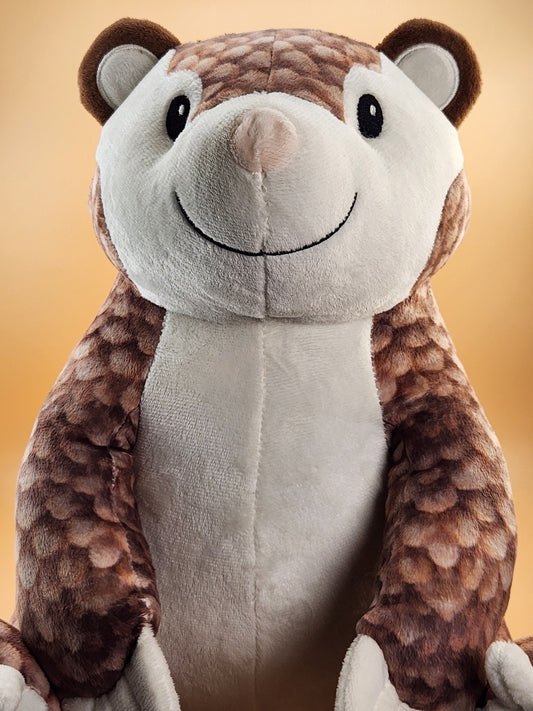
Children build understanding from concrete details first. If the animal is distorted beyond recognition, the gift may still be lovable, but it does less to build accurate knowledge. A pangolin should have visible scales. A whooping crane should have features a child can learn to spot again in a book or picture.
The same principle applies to the information that comes with the gift. A toy paired with a short species card, habitat facts, or a simple prompt such as “What does this animal need to survive?” gives adults an easy entry point for conversation. That turns the gift from an object into a teaching tool.
Accuracy matters because children often form their first mental picture of a species through play. If that first picture is clear, later learning has something solid to attach to.
Age-appropriateness and safety
A good match feels natural in the child's hands and mind. Toddlers usually learn through touch, repetition, and very simple categories. Older children can hold more detail, compare species, and follow cause and effect. A gift that asks too much too soon can create frustration. One that is too simple can be ignored after a day or two.
A practical screen helps:
- For toddlers: Choose soft, sturdy items with secure stitching and simple learning goals, such as naming the animal or matching it to a habitat picture.
- For early elementary ages: Look for gifts that invite sorting, storytelling, counting, and beginner science talk.
- For older children: Choose options that support observation, drawing, journaling, research, or outdoor exploration.
Safety belongs here too. Children hug wildlife gifts, sleep with them, carry them in the car, and sometimes chew on them when they are young. Materials, stitching, size, and finish are part of the lesson as well. A gift should feel safe before it can feel meaningful.
Sustainability
Children notice contradictions sooner than adults expect. If a gift teaches care for animals but is flimsy, wasteful, or made with questionable materials, the message weakens.
Families can look for a few grounded signs of better practice:
| What to check | Why it matters |
|---|---|
| Recycled or sustainably sourced materials | The product aligns more closely with the conservation message |
| Non-toxic dyes and safe finishes | Young children hold gifts close and may mouth them |
| Durable construction | A longer-lasting item creates less waste and stays useful for longer |
Durability has emotional value too. A well-made wildlife gift can stay in a child's life for years, collecting stories, routines, and memories. That long relationship often teaches more than a flashy item that breaks quickly.
Conservation impact
The final pillar asks a bigger question. Does the gift stop at animal imagery, or does it help a child see that real animals live in real places that need protection?
The best choices make that connection visible. They may include species information tied to habitat threats, name a nonprofit partner, or explain how part of a purchase supports conservation work. Children do not need every detail, but adults should be able to find a clear answer.
A useful rule is simple. A wildlife gift should help a child care more and help an adult explain what action stands behind that care.
One factual example fits this pillar. Snugglebug offers species-specific plush toys such as Paulie the Pangolin, Tashi the Snow Leopard, Ruby the Red Panda, and Wayne the Whooping Crane, each paired with an educational card and a stated donation model through its conservation mission. That kind of transparency gives families something concrete to evaluate alongside other brands.
Exploring Different Types of Wildlife Gifts
Not every child connects with nature in the same way. Some children bond through touch. Some through stories. Some through collecting facts, observing birds, or building things outdoors. The most effective wildlife gifts for kids match the child's learning style as much as the theme.

Peer-reviewed research on animal-themed play found that educational interventions using animal-themed play, such as wildlife stuffed animals, produce a small but statistically measurable increase in children's reported affiliation toward real wildlife and their willingness to coexist with them. That doesn't mean plush toys are the only option. It does mean they can play a real role, especially when adults use them intentionally.
Plush companions and emotional connection
Plush wildlife toys work well for younger children and for children who process the world through comfort and sensory experience. They can become emotional anchors during transitions, bedtime, illness, or school anxiety.
A practical example is a wolf plush used during story time. After hearing a story about habitat loss, a caregiver asks, “What does the wolf need to feel safe?” The child may answer with ideas about trees, family, or space. The toy gives the feeling somewhere to land.
Books and story-based gifts
Books deepen understanding by giving animals a narrative context. A child might cuddle a plush sea otter, but a picture book can show what otters eat, where they live, and what threatens their home. Story-based gifts are helpful for children who like language, bedtime rituals, and repeated reading.
Books help children move from “I like this animal” to “I understand something about its life.”
This category works especially well when paired with drawing paper, animal stickers, or a simple notebook for “facts learned today.”
STEM kits and observation tools
Some children want action and investigation more than cuddling. For them, a bird feeder kit, magnifying glass, habitat sorting set, nature journal, or beginner binoculars can be a better match.
These gifts build analytical habits. A feeder kit can lead to species comparison. Binoculars can support patient observation. A sorting game can introduce habitat, camouflage, and food webs in simple language.
A strong home example is a windowsill bird station paired with a notebook. A child watches, sketches what appears, and starts noticing differences in beaks, movement, or color. That child isn't just receiving a gift. The child is practicing attention.
Experience gifts and symbolic support
Sometimes the most lasting present isn't an object. A zoo membership, sanctuary visit, symbolic wildlife adoption, or museum pass can create memory and context that a toy alone can't provide.
These gifts often work well for older children or for families trying to reduce clutter. They also give caregivers a chance to return to the same topic over time. A child who visits a conservation center, then comes home with a species guide or plush companion, often internalizes the learning more completely because the experience has a physical reminder attached to it.
How to Turn a Gift Into a Lifelong Lesson in Stewardship
A wildlife gift has the most value after the celebration ends. What adults do in the days and weeks that follow shapes whether the toy becomes background clutter or a doorway into care.
A useful visual summary sits well near the start.

Structured guidance matters here. Research on conservation learning found that 34% of children in education officer-led conservation visits demonstrated a positive change in their knowledge and behavior toward wildlife, showing the value of guided educational experiences rather than passive exposure, as discussed in this study on children's conservation biology learning. In everyday family life, that same principle shows up in simple guided play.
Start with guided play
Children often need one adult question to initiate a whole conversation. A caregiver doesn't need to deliver a mini lecture. It's enough to guide attention.
A simple sequence works well:
- Read the facts together. If the gift includes a species card, read it aloud and stop after each idea.
- Ask one feeling question. “What do you think this animal needs to feel safe?”
- Ask one action question. “What could people do to help?”
- Let the child show understanding through play. Build a nest, cave, forest, or mountain from pillows, blocks, paper, or blankets.
A parent using a pangolin plush might read one fact about scales, one fact about habitat, and one fact about threats. The child then builds a burrow from cushions and pretends to protect it from danger. The lesson has moved from information into embodied understanding.
A helpful bank of ideas appears in these stuffed animal activities for families and educators.
Build small rituals around the gift
Children learn through repetition, especially when routines feel warm and predictable. A wildlife gift becomes more meaningful when adults return to it in tiny, steady ways.
A few examples:
- Bedtime check-in: “Where does the snow leopard sleep tonight?”
- Morning fact ritual: One animal fact before school.
- Weekend habitat play: Make a forest, riverbank, or wetland from household materials.
- Feelings practice: Use the toy during conversations about fear, safety, hunger, or belonging.
Research on stuffed toys and emotional response has shown that a stuffed toy's presence can support empathy and compassion. In practical terms, that means a child holding a wolf plush during a story about habitat loss may find it easier to connect emotionally and talk about what the animal needs.
Connect play to the real world
Children benefit when adults gently link pretend play to real environments. That link doesn't need to be dramatic. It should be specific and doable.
A family might:
- Take the plush on a nature walk and look for a local habitat that feels similar or different.
- Sort household recycling and connect the task to cleaner habitats.
- Draw an animal home and talk about what belongs there.
- Choose one caring action such as filling a birdbath, planting pollinator-friendly flowers, or picking up litter safely with adult supervision.
This is also a good place to widen the child's sense of belonging. A red panda in the bedroom can lead to a conversation about forests far away. A whooping crane can lead to wetlands. A sea turtle can lead to oceans the child may never see in person.
A short video can give families another entry point into that larger world.
Guided play doesn't have to be complicated. It just has to help a child connect affection with responsibility.
A Conscious Giver's Guide to Ethical Purchasing
A child spots a tiger plush in a store and reaches for it immediately. The moment feels simple, but the adult choice behind that purchase carries a quiet lesson about whose stories get told, which animals get attention, and whether care for wildlife is being treated as a value or a sales theme.

Spot the conservation mismatch
Many wildlife products focus on the same familiar animals again and again. That pattern can leave children with a narrow picture of the natural world, especially when species facing serious threats rarely appear on toy shelves.
Children learn from repetition. If a child sees lions, pandas, and dolphins in every aisle, those animals begin to stand in for all wildlife. Less visible species such as pangolins, whooping cranes, or red pandas can disappear from a child's mental map before they were ever on it.
A helpful question before buying is simple. Does this gift widen a child's awareness of wildlife, or does it only repeat the most marketable animals?
Look past marketing language
Words like “eco-friendly,” “sustainable,” and “gives back” can be meaningful. They can also be decoration. Parents often need to read them the way they would read a food label for a child with allergies. The front of the package makes a promise. The details show whether the promise holds up.
Look for specifics such as:
- Named conservation partners: The company should say which organizations receive support.
- Clear materials information: It should explain whether fabrics, filling, paper, or packaging include recycled or responsibly sourced materials.
- Visible production standards: It should show how products are made and who is involved in that process.
Families who want a concrete example of what to look for can review published information about transparent supply chains and compare those details with the claims on any brand's packaging or website.
Choose less and choose better
A good wildlife gift works like a well-chosen library book. One meaningful pick that gets used often usually teaches more than a stack of forgettable items. Fewer gifts can create more room for attachment, curiosity, and care.
| Better choice | Why it helps |
|---|---|
| One species-specific plush with learning materials | Supports repeated play and more accurate knowledge about one animal |
| A gift paired with an experience | Helps children connect the object to habitats, observation, and real-world care |
| A repaired or gently used item | Reduces waste and shows that caring for belongings is part of caring for the planet |
The larger goal is not perfection. It is alignment. When the product, the company, and the way the gift is used all point in the same direction, a purchase becomes more than consumption. It becomes practice in empathy, discernment, and global citizenship.
Fostering Future Conservationists Through Play
Children rarely become caring adults because someone handed them a list of environmental facts. They grow into caring adults because love, knowledge, and responsibility were woven together over time.
That's what thoughtful wildlife gifts for kids can do. They can offer comfort in a child's hands, language for a child's questions, and a first relationship with an animal the child may never meet in person. When adults choose with care, use the gift in guided ways, and buy with ethics in mind, a small object can carry a surprisingly large lesson.
The deepest value isn't in the plush itself, the book itself, or the kit itself. The value lives in the repeated moment when a child learns that another living being has needs, a home, and a right to exist.
Families who want to keep building that connection can explore how plush toys can inspire environmental awareness in children. That kind of steady, gentle learning helps raise children who don't just admire wildlife. They learn to care what happens to it.
For families, educators, and gift-givers looking for wildlife gifts that pair species-specific plush companions with educational cards and a stated conservation mission, Snugglebug offers one practical place to start. Want both of our currently available plushes? The Forests & Peaks Bundle pairs them for $10 less, for a limited time only.