
Transparent Supply Chains for Toys: A 2026 Guide
A parent stands in the toy aisle holding two boxes. One says “eco-friendly.” Another says “ethically made.” Both look cheerful. Both show smiling children. Neither explains where the fabric came from, who stitched the seams, what dyed the colors, or how the packaging was made.
That's where many caring shoppers get stuck. The intention is clear. Buy something safe, kind, and worth bringing home. The information is not.
For children's products, that missing story matters. A plush fox or wooden crane truck isn't just an object on a shelf. It's cotton, stuffing, dyes, labor, shipping, packaging, and a chain of choices stretching across farms, factories, ports, warehouses, and stores. Transparent supply chains help make that hidden journey visible, so a family can look past the label and understand what a purchase really supports.
Table of Contents
- From Toy Aisle to Global Impact
- What Are Transparent Supply Chains
- Why Transparency Matters for Childrens Products
- How to Spot a Truly Transparent Brand
- Snugglebugs Promise A Transparent Journey
- Your Next Steps as a Conscious Shopper and Educator
From Toy Aisle to Global Impact
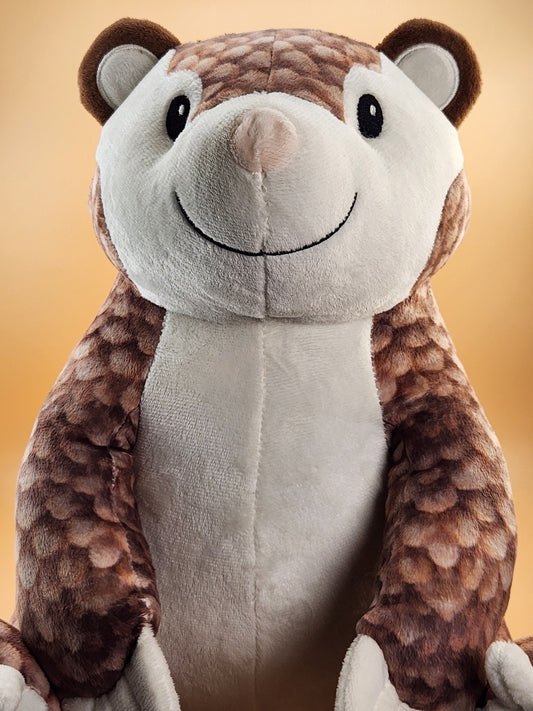
A grandparent picks up a plush pangolin for a birthday gift. The tag says the toy is made with care. The website mentions sustainability. The packaging uses soft greens and earthy browns. Still, basic questions remain unanswered. Where did the outer fabric come from. Was the stuffing recycled. Who made it. Were the workers protected. Did the materials harm wildlife habitats.
That uncertainty is exactly why transparent supply chains matter. They give a product a fuller story. Not just the happy final chapter in the store, but the earlier chapters too. The raw materials. The factory. The transport route. The claims a company is willing to show in public.
For a parent, this can feel personal very quickly. A toy becomes part of bedtime, comfort, and childhood memory. Families want that object to be soft in every sense of the word. Soft to hold, and also gentle in how it touched people and places before arriving at home.
Practical rule: If a brand makes a values-based claim, it should also help a shopper trace the claim back to real decisions about materials, labor, and packaging.
In the children's product world, this isn't only a business topic. It's a trust topic. It connects the nursery to forests, rivers, factory floors, and communities far away. Once that connection becomes visible, the choice in the aisle feels less like guesswork and more like stewardship.
What Are Transparent Supply Chains
A transparent supply chain is a record of a product's journey. It shows where materials came from, how the item was made, who handled it along the way, and what a company is willing to share about each step.
For parents, that definition can feel abstract at first. So bring it down to a child's world. A plush fox in a store bin may look like one simple object, but it is really the final stop in a long relay. Fabric is made somewhere. Stuffing is sourced somewhere else. The toy is cut, sewn, packed, and shipped by different hands in different places. Transparency means those steps are visible instead of hidden.

Visibility and disclosure
MIT Sloan's explanation of supply chain transparency highlights two core ideas: visibility and disclosure. They sound close, but they are not the same.
Visibility means a company can see into its own chain of suppliers and processes. It knows more than the name on the final shipping box. It can identify where key materials came from, which facilities were involved, and what happened before the product was ready for sale.
Disclosure means the company shares meaningful parts of that information with people who need it. That may include customers, retail partners, regulators, investors, or independent auditors.
A children's toy makes the difference easy to see:
- Visibility: The brand knows which mill produced the fabric, where the stuffing came from, which factory stitched the toy, and which supplier made the packaging.
- Disclosure: The brand publishes material information, explains its standards, responds clearly to parent questions, and provides records or certifications when appropriate.
One matters without the other, but neither is enough on its own. A company can know a great deal and keep it private. It can also make broad public claims without having much proof behind them.
More than tracking shipments
Supply chains are often reduced to cargo ships, pallets, and delivery dates. That is only one part of the story, especially for families trying to buy children's products that match their values.
Transparency can cover:
- Materials: whether a toy uses recycled polyester, cotton, wood, or blended fibers
- Production conditions: which factory made it and what oversight the brand maintains
- Environmental effects: how sourcing and manufacturing may affect forests, water, wildlife habitats, or waste
- Communication: whether the company explains these choices in plain, checkable language
In children's products, this matters because the purchase is personal. Parents are not only buying an object. They are welcoming something into a nursery, a stroller, or a bedtime routine. Clear supply chain information helps turn a vague marketing promise into something a family can evaluate.
A toy label can say “made responsibly.” Transparency asks a calmer, more useful question: what can the brand show you about how that happened?
That is the heart of a transparent supply chain. It gives a product a traceable story, so caring shoppers can judge whether the values on the tag match the decisions behind the scenes.
Why Transparency Matters for Childrens Products
Children explore with their whole bodies. They cuddle toys, chew corners, sleep with blankets pressed against their faces, and drag favorite companions through daily life. For kids, a product isn't distant. It's intimate.
That closeness makes transparency especially important for children's products.

A toy can hide more than it shows
A plush otter can look simple on the outside. Yet its journey may include fabric production, dyeing, stuffing, stitching, packaging, and freight. If that path is opaque, families can't easily tell whether the toy's story matches the brand's language.
Three areas matter most.
- Safety for children: Parents want to know what touched the toy before it touched their child. That includes dyes, finishes, and fabrics.
- Fair treatment of workers: A sweet bedtime toy shouldn't depend on hidden labor abuse.
- Care for ecosystems: The material in one toy can trace back to forests, petroleum-based inputs, farms, or recycled sources.
A wooden toy truck offers a different version of the same question. Where did the wood come from. Were forests managed responsibly. What paint or finish was used. A transparent brand won't answer every possible question on the front of the box, but it will make the answers easier to find.
For parents, transparency isn't about collecting paperwork. It's about reducing the gap between what a family values and what a purchase quietly funds.
The deepest risks are often upstream
One of the biggest misunderstandings in this topic is the belief that knowing the final factory is enough. It often isn't.
The EcoVadis overview of supply chain transparency cites a McKinsey survey showing that 60% of companies have visibility into direct Tier 1 suppliers, but only 30% can see beyond that layer. That matters because labor and environmental risks often sit deeper in the network, where raw materials are processed or components originate.
For children's products, that means the visible brand may know the sewing partner but not fully understand the earlier steps behind the zipper, stuffing, thread, trim, or dye chemistry.
A short explainer can help:
- Tier 1 supplier: The company that sells directly to the brand
- Tier 2 supplier: A supplier to that supplier, such as a fabric mill or component maker
- Tier 3 supplier: An even earlier source, such as a raw material processor
This short video gives added context for how supply chains connect materials, movement, and decision-making.
For a caring shopper, that deeper view changes the conversation. The question stops being “Is this toy cute?” and becomes “Can this company show where the important parts of the story begin?”
How to Spot a Truly Transparent Brand
Some brands share real evidence. Others share mood. A nature-themed homepage, a few soft phrases, and a recycled-looking package can create the appearance of responsibility without giving a shopper much to verify.
Transparent supply chains become easier to recognize when a family knows what to look for.
What honest brands usually share
A transparent brand tends to leave a trail of specifics. Not perfect answers to every question, but concrete signs that it has done the work.
Look for details like these:
- Named standards or certifications: A brand that mentions certified materials, tested dyes, or packaging standards gives a shopper something concrete to examine.
- Supplier or factory information: Some companies share factory locations, audit approaches, or sourcing maps instead of hiding every partner behind vague language.
- Material explanations: It helps when a product page says what the filling, outer fabric, trim, and packaging are made from.
- Plain-language policies: Good transparency pages sound understandable, not evasive.
One operational clue often gets overlooked. Strong transparency usually requires deeper suppliers to share information with one another. SupplyHive's discussion of multi-tier data synchronization explains that when Tier 2 and Tier 3 suppliers can see real demand signals, inventory levels, and capacity constraints, they can align earlier. That reduces waste, cuts delays, and lowers stockout risk by removing blind spots created by siloed data. Shoppers won't see those systems directly, but they can look for signs that a brand thinks beyond the final assembly step.
A family researching plush materials may also find it useful to compare how brands talk about fabric choices, stuffing, and lifecycle considerations. This guide to eco-friendly plush toys gives one example of the type of product-level discussion that can help a shopper ask sharper questions.
Brand Transparency Checklist
| Question to Ask | What to Look For |
|---|---|
| Where are the main materials sourced? | Specific material descriptions, country or region information, or a sourcing overview |
| Who makes the product? | Named factory partners, manufacturing regions, or a clear explanation of oversight |
| What does the brand disclose about safety? | Testing information, material standards, dye information, or product care guidance |
| Does the company explain packaging? | Details on recycled, paper-based, or certified packaging choices |
| Can the claims be checked? | Documents, standards, impact pages, or clear FAQs instead of slogans alone |
| Does the brand discuss deeper suppliers? | Any sign it tracks mills, processors, or raw-material inputs, not only the final factory |
| How does it respond to hard questions? | Direct answers, public policies, and willingness to admit limits or ongoing work |
Shopping shortcut: A vague claim isn't automatically false. It's just incomplete. Transparency begins when a brand adds enough detail for a customer to follow the story.
Red flags matter too. If every claim sounds lofty but nothing is named, located, or explained, caution makes sense.
Snugglebugs Promise A Transparent Journey
In children's products, the clearest way to explain transparent supply chains is often to follow one toy from start to finish. A plush pangolin is easier to understand than a diagram full of arrows and procurement terms.
Following one plush toy step by step
A toy like Paulie the Pangolin can tell a fuller story when the brand identifies the choices behind it. That includes material sourcing, color safety, manufacturing partner oversight, packaging decisions, and what happens after the sale.
For example, a transparent journey might include:
- Stuffing choices: Whether the fill uses GRS-certified recycled polyester
- Color safety: Whether dyes meet OEKO-TEX standards
- Factory disclosure: Whether the manufacturing partner is named and audited
- Packaging detail: Whether paper goods use FSC-certified material
- Impact follow-through: Whether conservation giving is tracked and reported after purchase
That kind of explanation helps a shopper move from broad trust to informed trust. Instead of hearing “this toy supports good values,” the family can see which decisions support those values.
Readers who want to explore a product-story format can review how a Snugglebug gets made, which shows how one brand presents the journey behind its plush toys.
Why accountability matters more than a polished story
Transparency alone doesn't guarantee better outcomes. A company can disclose information and still fail to improve conditions.
That distinction matters enough to say plainly. IBM's discussion of supply chain transparency notes that research shows that merely disclosing a supplier list doesn't automatically improve practices. The ultimate goal is to use visibility to drive better outcomes for people and the planet.
In practical terms, that means a brand should connect what it reveals to what it changes. If it shares material standards, those standards should shape sourcing decisions. If it promises donations, it should show how those funds are tracked. If it names a factory, that disclosure should support oversight rather than serve as decoration.
Visibility answers “Can the story be seen?” Accountability answers “What changed because the story was seen?”
That's the standard that turns transparent supply chains from a marketing phrase into a moral practice.
Your Next Steps as a Conscious Shopper and Educator
No family needs to become a supply chain auditor before buying a birthday gift. A few thoughtful habits can go a long way.
For shoppers
The simplest next step is to ask one better question on the next purchase.
That question might be:
- About materials: What is the outer fabric, stuffing, or wood made from?
- About manufacturing: Does the brand share where the toy is made or how partners are reviewed?
- About proof: Is there a policy page, sourcing note, or impact report behind the claim?
One good question can change a buying decision. It can also change what brands choose to publish, because companies notice the questions customers repeat.
Families can also use purchases to express values more clearly. This article on voting with your wallet and cuddling with purpose offers one way to think about the link between spending and stewardship.
For educators and caregivers
A toy can become a lesson in global citizenship without turning playtime into a lecture.
An educator might ask children simple age-appropriate questions:
- Where did this toy begin?
- What materials helped make it?
- Who might have helped along the way?
- How can people care for animals and the Earth while making things?
A plush animal works especially well for this. Children already bond with it. That emotional connection opens the door to conversations about habitats, workers, forests, waste, and kindness.
The larger lesson is gentle but powerful. When a child learns that objects have stories, that child begins to see the world as connected. A toy shelf becomes a map of relationships among people, animals, materials, and choices.
Transparent supply chains support that kind of learning. They help adults buy with clearer eyes and teach with fuller honesty.
A caring next step is to explore Snugglebug as one example of a children's brand that connects plush toys, wildlife education, and conservation-minded gifting.