
Eco Friendly Plush Toys: Your 2026 Guide
A parent stands in the toy aisle holding two plush animals that look almost identical. One tag says “eco.” Another says “natural.” A third online listing mentions recycled filling but says nothing about the outer fabric, the dyes, or how long the toy will last after weeks of hugs, naps, and trips through the washing machine.
That confusion makes sense. The category is growing fast, and labels often sound better than they explain. The global eco-friendly toys market was valued at USD 1.2 billion in 2024 and is projected to reach USD 3.8 billion by 2034, while 45% of parents under 40 say a toy’s environmental impact matters in their purchase decisions, according to market data on eco-friendly toys. More choices can help families. They can also make shopping feel harder.
A good guide has to do more than repeat “recycled bottles” and “planet-friendly.” Families need help reading claims, comparing materials, checking construction quality, and asking one uncomfortable but important question: if a brand says a toy helps the planet, how does it prove it?
Table of Contents
- Why Choosing a Plush Toy Feels So Complicated
- Decoding Eco Friendly Claims What to Look For
- A Practical Guide to Sustainable Plush Materials
- The Three Tiers of Sustainable Toy Brands
- Is It Built to Last The Overlooked Role of Durability
- Connecting Playtime to the Planet The Mission Matters
- Your Checklist for Choosing the Perfect Eco Friendly Plush
Why Choosing a Plush Toy Feels So Complicated
Shopping for plush toys used to feel simple. Families chose the softest one, the cutest one, or the one a child wouldn’t put down in the store. Now there’s another layer. Parents also want to know what the toy is made from, whether it’s safe, whether it will survive regular washing, and whether “eco-friendly” means anything beyond a nice-looking hangtag.
That uncertainty shows up everywhere. One listing highlights organic cotton but skips the filling. Another says recycled polyester but gives no details about dyes, seams, or testing. A brand might talk about caring for wildlife yet never explain where support goes or how a purchase helps.
A confusing label doesn’t mean a bad product. It usually means the buyer has to do work the brand should’ve done first.
The hardest part is that many claims sound responsible at a glance. “Green,” “clean,” “earth-friendly,” and “sustainably inspired” all sound promising, but they don’t tell a family enough to make a confident choice.
The toy label as a nutritional label
A useful way to think about eco friendly plush toys is to treat the product page like a nutritional label. Families don’t just want the front-of-package promise. They need the details behind it.
That means checking three things:
- Ingredients: What are the outer fabric, filling, and dyes?
- Production: Does the brand explain standards, safety testing, or certifications?
- Afterlife: Can the toy last, be repaired, handed down, or responsibly disposed of?
When shoppers use that lens, the category gets less fuzzy. A plush toy stops being “eco” because of one phrase and starts being evaluated as a full product with tradeoffs and strengths.
Three pillars that make a claim meaningful
The first pillar is materials. A better plush usually starts with materials such as organic cotton, bamboo fiber, or recycled polyester instead of relying only on virgin synthetics.
The second is responsible manufacturing. That includes how the toy is dyed, stitched, tested, and packaged. A toy can use one recycled component and still leave major questions unanswered if the rest of the process stays opaque. Families who want a clearer look at how plush production decisions add up can compare that process with how a mission-driven plush gets made.
The third is lifecycle thinking. A toy that pills quickly, leaks stuffing, or gets misshapen after washing isn’t a strong sustainability choice, even if it started with better materials.
A practical example helps. Consider two fox plushies. One uses recycled fill but thin seams and mixed synthetic fabrics. The other uses lower-impact materials across fabric and fill, stronger stitching, and simple packaging. The second toy may look less flashy on the tag, but it often reflects the more meaningful sustainability decision.
Decoding Eco Friendly Claims What to Look For
Not every eco claim deserves the same weight. Some describe a real improvement. Others mention one positive feature while leaving the rest of the toy unexplained. A parent doesn’t need a sourcing degree to spot the difference, but it helps to know where to look.
The toy label as a nutritional label
A product page becomes more useful when it answers plain questions in plain language. Which part is recycled. Which part is organic. Whether the stuffing is listed. Whether testing or certifications are named. Whether packaging gets any mention at all.
A weak claim often sounds broad and polished. A stronger claim is more specific and easier to verify.
Practical rule: If a brand can’t explain what the plush is made from in everyday language, the eco claim probably isn’t complete enough.
A simple comparison makes this easier:
| Claim on tag | What it should prompt a buyer to ask |
|---|---|
| Eco-friendly | Which materials, exactly? |
| Made with recycled materials | Outer fabric, stuffing, or both? |
| Natural plush | Which fibers, and how are they processed? |
| Sustainable packaging | Recycled cardboard, minimal plastic, or both? |
Three pillars that make a claim meaningful
Materials matter first. A rabbit plush made from organic cotton outer fabric and recycled fill tells a clearer story than a toy that mentions only “earth-conscious design.”
Then comes manufacturing practice. Families can look for clear mention of testing, safer dyes, stronger seam construction, and independently verified standards. Those details show whether the brand thought beyond the marketing line.
The third pillar is lifecycle. A toy that can be washed repeatedly, passed to a younger sibling, or donated in good condition keeps doing its job longer. That matters. Sustainability isn’t just about where the fibers came from. It’s also about how long the toy stays loved and usable.
For gift buyers, this framework is especially helpful. If a grandparent is choosing between a red panda plush from a mission-led brand and a generic plush with a vague green label, these three pillars create a better checklist than price alone.
A Practical Guide to Sustainable Plush Materials
Materials are where most families start, and that’s reasonable. The touch of the fabric, the softness of the stuffing, and the way a toy behaves after washing all shape daily life with a plush toy.

How common plush materials differ
Here’s a simple material-by-material view of what families often see in eco friendly plush toys:
| Material | What it is | Why parents choose it | What to check |
|---|---|---|---|
| Organic cotton | Cotton grown without conventional chemical inputs | Soft feel, familiar fabric, often a good choice for young children | Outer fabric weight and seam quality |
| Bamboo fiber | Plant-based fiber often used in soft textiles | Smooth hand feel and renewable-source appeal | Blend details and care instructions |
| Recycled polyester rPET | Polyester made from recycled plastic inputs | Keeps existing plastic in use instead of relying only on virgin polyester | Whether it’s in the shell, fill, or both |
| PLA filling | Plant-based polylactic acid fiber | Alternative to standard synthetic stuffing | Shape retention and washing guidance |
Families often assume “sustainable” means rough, stiff, or less cuddly. That isn’t always true. Organic cotton can feel soft and breathable. Recycled polyester can still create a plush, velvety surface. Bamboo-based fabrics are often chosen because they feel gentle against the skin.
A practical example: a bedtime plush for a toddler may benefit from a soft cotton-rich outer layer and sturdy seams, while a classroom animal used for storytelling may need a firmer shape that holds up well when passed around all day. Material choice works best when it matches the toy’s real job.
For readers comparing plant-based textiles, this guide to bamboo fabric helps explain why some brands use bamboo blends in soft goods.
Why material choice also affects safety
Safety and sustainability overlap more than many shoppers realize. According to technical guidance on eco-friendly plush manufacturing, plush toys made with natural fibers like organic cotton often pass flame resistance tests without requiring chemical fire retardants, while many conventional synthetic toys must be treated with potentially harmful AZO dyes and heavy metal compounds to meet the same flammability standards.
That matters because material choice doesn’t just change environmental impact. It can also change what chemical treatments a toy needs.
A careful brand should also explain testing standards and construction details such as reinforced stress points and double-stitched seams. Those details help a plush stay intact during real use, especially around ears, limbs, and joints where wear tends to show up first.
For readers who want a quick visual overview before comparing tags, this video offers a helpful starting point.
The Three Tiers of Sustainable Toy Brands
A single material doesn’t tell the whole story. One brand may use recycled stuffing and stop there. Another may rethink fabric, fill, packaging, certifications, and what happens after purchase. That difference matters, especially when two plush toys look equally “green” at first glance.

Tier 1 basic eco efforts
Many brands often start by adding recycled stuffing, reducing some plastic, or introducing one eco-minded collection while leaving the rest of the product unchanged.
That isn’t meaningless. Small improvements still matter. But shoppers should see Tier 1 as a starting point, not the full picture.
Common signs of Tier 1 include:
- One upgraded component: Recycled fill, but standard synthetic shell.
- Broad language: Marketing that sounds responsible without many specifics.
- Limited packaging changes: Less plastic in shipping, but no larger system shift.
Tier 2 broader adoption
Tier 2 brands usually move beyond a single feature. They may use better materials in both shell and stuffing, improve factory practices, and talk more clearly about waste reduction or safer finishes.
This tier often feels more credible because the product design choices connect to one another. A panda plush in this category might use organic cotton fabric, recycled fill, and simplified packaging, even if not every component is fully optimized yet.
Better sustainability usually looks like a pattern of decisions, not one heroic material.
Tier 3 eco champions
Tier 3 brands build sustainability into the whole product. They use recycled or certified organic materials across the plush, choose sustainable packaging, and seek independent verification for their claims. According to guidance on sustainability levels in custom plush, eco-champion brands distinguish themselves with third-party certifications such as Global Recycled Standard and Oeko-Tex Standard 100.
Those certifications matter because they help families check whether “recycled” or “organic” has been independently verified across the supply chain.
A shopper doesn’t need to memorize certification systems. A simpler approach works:
- Ask for proof: Is a certification named clearly?
- Check packaging too: Recycled cardboard is different from decorative plastic-heavy presentation.
- Look for consistency: Do the materials, safety claims, and brand mission all line up?
When a brand reaches Tier 3, the plush toy stops being only a product. It becomes a visible example of what better design can look like.
Is It Built to Last The Overlooked Role of Durability
A plush toy can use better fibers and still be a poor sustainability choice if it falls apart after a short season of play. Durability is where many families hesitate. They like the idea of eco friendly plush toys, but they worry that softer claims might hide weaker construction.
That concern is valid. According to discussion of sustainable toy durability gaps, a major weakness in eco-toy coverage is lifecycle performance. Parents often wonder whether sustainable materials can handle repeated use and washing, and few brands publish quantitative durability metrics such as wash cycle endurance tests.
Why durability is part of sustainability
A toy that lasts through bedtime, travel, spills, and regular laundry does more than save money. It reduces replacement. It makes hand-me-downs possible. It keeps a favorite animal companion in a child’s life instead of in a discard pile.

A practical example is easy to picture. Compare a wolf plush with floppy, loosely stitched limbs to one with tighter seams and reinforced attachment points. Both may feel soft on day one. After repeated play, only one is likely to keep its shape.
What to inspect before buying
Families shopping in person can do a quick quality check with their hands. Online shoppers can do a version of the same thing by zooming in on product photos and reading material details carefully.
Look for these signs:
- Double-stitched seams: Strong seams reduce splitting along the body.
- Reinforced stress points: Ears, arms, tails, and legs should look secure.
- Even stuffing: Lumpy fill can shift and clump faster.
- Wash guidance: A brand that expects real use should explain care clearly.
- Close-up photos: Good brands usually show enough detail to inspect construction.
If the toy is meant for daily comfort, durability isn’t a bonus feature. It’s part of the environmental story.
One more clue is how a brand talks about lifespan. Does it describe the plush as an heirloom-quality comfort item, a classroom tool, or a washable everyday companion? Those choices often reveal whether durability was part of design from the beginning.
Connecting Playtime to the Planet The Mission Matters
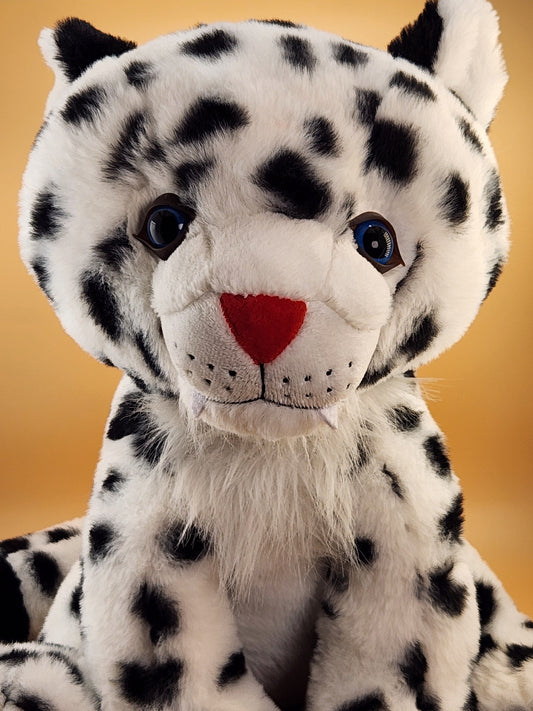
Materials answer one set of questions. Mission answers another. A child may cuddle a snow leopard because it’s soft, but the toy can also spark curiosity about habitats, species loss, and caring for animals beyond the home. That educational value becomes more powerful when a brand connects it to real action.
The problem is trust. Many families have seen hangtags that say a purchase “supports conservation” without saying how.

Why vague impact claims fall flat
Parents increasingly want proof. According to reporting on mission-linked toy skepticism, shoppers often question vague conservation claims and look for quantifiable impact, such as audited donation reports or clear metrics tied to purchases.
That doesn’t mean every brand needs a complicated dashboard. It does mean a claim should be specific enough to evaluate.
A stronger mission statement usually answers questions like these:
- Who receives support: Is the partner named?
- What kind of support: Education, habitat protection, rescue, research?
- How is the commitment framed: Percentage of profits, a program tie-in, or a recurring donation model?
- How can buyers verify it: Annual reporting, partner updates, or audited summaries?
A weak example would be a sea turtle plush with a tag that says “helps ocean life.” A stronger example would explain the partner organization, the commitment model, and what kinds of projects receive funding.
What transparent mission driven brands share
Mission matters most when it shapes the product itself. Species-specific educational cards, age-appropriate facts, and conservation prompts can turn a plush toy into a starting point for better conversations at home or in the classroom.
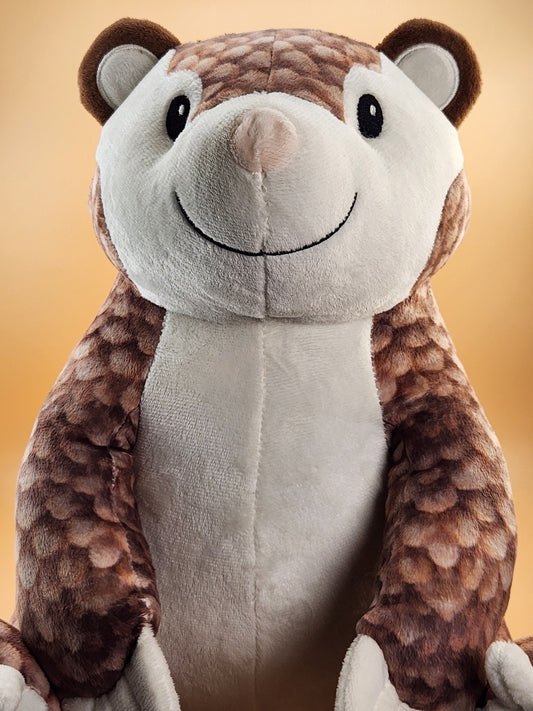
That’s especially useful for children who connect more meaningfully when learning begins with a character they can hold. A red panda plush can lead to a bedtime chat about forest habitats. A pangolin plush can help a child learn that some animals need human protection even if they’ll never see them up close.
Families who want to see what stronger reporting can look like may find value in real-world impact examples for a mission-driven plush purchase.
A plush toy can comfort a child and still carry a serious lesson. The lesson becomes more credible when the brand shows its work.
The most meaningful toy isn’t always the loudest one on the shelf. Sometimes it’s the one that connects softness, learning, and accountability in a way a family can trust.
Your Checklist for Choosing the Perfect Eco Friendly Plush
A good plush toy should do more than look responsible. It should feel safe, hold up well, and reflect a brand that respects both children and the planet. A short checklist helps turn that goal into an easier buying decision.
Questions worth asking before checkout
- What is the outer fabric made from: Look for clear material language such as organic cotton, bamboo fiber, or recycled polyester rather than broad words like “green.”
- What is inside the toy: Filling matters too. A strong product page should identify the stuffing, not just the shell.
- Are safety and construction explained: Reinforced joints, double stitching, and testing details are strong signs.
- Does the packaging fit the claim: Excess plastic can undercut a sustainability message.
- Is the brand acting like a Tier 3 leader: Certifications, consistent material choices, and thoughtful packaging usually reveal deeper commitment.
- Can the mission be verified: If a brand says it supports wildlife or conservation, it should explain how.
A quick shopping test
When comparing two plush animals, families can pause and ask four plain questions.
- Would this hold up to everyday love?
- Does the product page tell the full material story?
- Do the brand’s claims sound specific enough to trust?
- Would this toy teach something worth passing on?
That last question matters more than it may seem. Toys help shape a child’s world. A plush that invites empathy toward animals, careful consumption, and long-term care can become part of how a family teaches values, not just how it fills a playroom.
The best eco friendly plush toys don’t ask families to choose between softness, safety, durability, and purpose. They aim to bring those together in one honest product.
For families looking for a plush toy that pairs wildlife education with a clear conservation mission, Snugglebug offers species-specific companions designed to turn everyday cuddles into conversations about empathy, endangered animals, and caring for the planet.