
From Playroom to Planet: The Real-World Impact of Your Mission-Driven Plushie
Share
We often think of stuffed animals as simple comfort objects - soft, silent companions that populate our children’s beds. But a new wave of "mission-driven" plushies is proving that these cuddly friends can be powerful engines for global change.
In an increasingly conscious consumer market, these toys offer more than just a hug; they offer a direct line to philanthropy. When you choose a mission-driven plushie, you aren't just buying a gift; you are investing in the health of our planet and the wellbeing of its inhabitants. Here is how your purchase translates from a playroom staple into a real-world result.
Quantifying the Good: Every Plushie Has a Purpose
The most significant shift in the toy industry is the move from vague "good intentions" to measurable impact. The best mission-driven brands partner with verified non-profits to ensure that every transaction leads to a specific, quantifiable outcome. This transparency allows parents and gift-givers to see exactly what their money is doing.
Consider these tangible examples of how your purchase adds up:
- Fighting Hunger: Some brands operate on a "one-for-one" or meal-based model. For instance, every purchase provides 10 essential meals to children in underserved communities through global food banks.
- Restoring Ecosystems: Eco-focused plushie companies often tie sales to reforestation. You might find that buying one plush elephant helps plant 5 native trees in a corridor critical for wildlife migration.
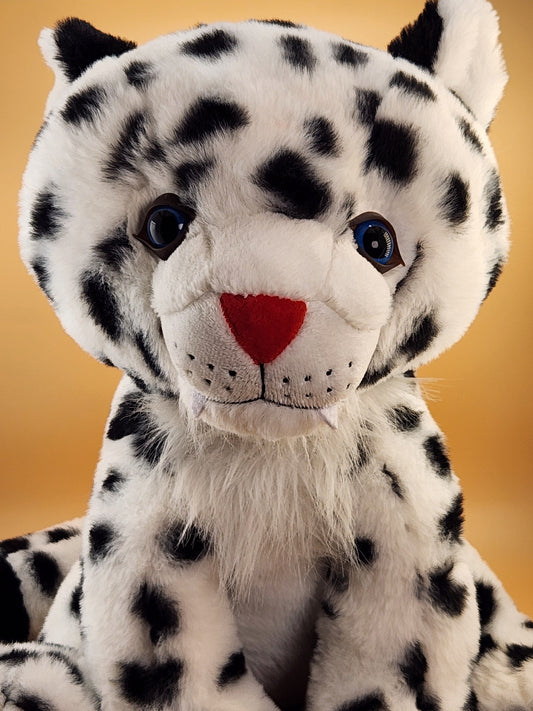
- Advancing Science: For specialized toys like endangered species replicas, the impact might be intellectual. One purchase could fund 2 hours of field research for biologists tracking elusive snow leopards or protecting sea turtle nesting grounds.
Meet the Beneficiaries: Stories from the Front Lines
Behind every mission-driven toy is a real community, a dedicated researcher, or a fragile ecosystem that benefits from your choice. Seeing the faces and places behind the mission makes the impact feel personal rather than abstract.
Take, for example, the artisans in rural Peru who hand-knit wool plushies. By purchasing their work, you aren't just getting a high-quality toy; you are providing a living wage that allows these women to send their children to school and invest in local healthcare.
Or consider the wildlife conservationists in Africa who receive equipment - like camera traps and GPS collars - funded by the sale of "wildlife warrior" plushies. When you see a photo of a rescued rhino calf or a flourishing community garden in a blog update from these charities, you are seeing the direct fruit of your consumer choices. These stories turn a simple toy into a symbol of a global partnership.
Closing the Loop: The Direct Connection to Positive Change
The power of the mission-driven plushie lies in its ability to close the loop between consumption and conservation. In a traditional retail model, the "impact" of a product often ends at the cash register. With mission-driven toys, the purchase is just the beginning of a positive cycle.
Buying a specific toy directly contributes to a specific positive outcome. This clarity is a powerful teaching tool for children. It moves the conversation from "I want this toy" to "I want to help the ocean, and this turtle helps me do that."
The Impact Equation: 1 Plushie + 1 Purpose = A Healthier Planet
By choosing these brands, you are voting with your wallet for a world where business supports life rather than just bottom lines. You are proving that small, soft actions can lead to large, lasting changes.