
Gifts for Animal Lovers: A Guide to Mindful Giving
A parent is standing in a toy aisle. A grandparent is scrolling through gift guides. A friend is trying to find something better than another mug with a paw print on it. The question sounds simple. What makes a good gift for someone who loves animals?
The confusion usually starts with abundance. There are plush toys, symbolic adoptions, zoo memberships, wildlife bracelets, books, décor, and donation gifts. Many look charming. Fewer feel meaningful. The strongest gifts for animal lovers do more than match a theme. They help the recipient learn, care, and stay connected to the living world in a way that lasts longer than the unwrapping moment.
That's where a mindful approach helps. Instead of asking only, “Will this be cute?” it helps to ask, “Will this deepen empathy, support conservation, or open a conversation this child or adult is ready to have?” That shift changes everything.
Table of Contents
- Moving Beyond Novelty to Meaningful Impact
- A Framework for Choosing Thoughtful Animal Gifts
- Age-Specific Gifts That Inspire Conservation
- How to Vet a Gift's Ethical and Conservation Claims
- Turning a Gift Into a Lasting Learning Experience
- The Art of Giving a Gift That Matters
Moving Beyond Novelty to Meaningful Impact
Finding gifts for animal lovers often feels harder than it should. Shops are full of fox socks, cat calendars, and animal-print accessories, yet many of those gifts stop at decoration. They show affection for animals, but they don't always build any deeper bond with wildlife, conservation, or care.
A big reason thoughtful buyers have moved toward non-live gifts is the long-standing concern about giving pets as surprises. The ASPCA notes that 86% of pets received as gifts were still in the home at the time of its survey, and its broader position helps explain why many families still prefer gifts that celebrate animals without creating immediate care obligations or impulse decisions around ownership. That shift has opened space for educational plush toys, symbolic adoptions, books, and other keepsakes that create emotional connection without the risks of a live-animal gift (ASPCA position on pets as gifts).
Giving an animal-themed gift instead of a live animal lets the giver celebrate affection without deciding care responsibilities on someone else's behalf.
That doesn't mean meaningful gifting has to feel serious or solemn. A child can still squeal over a red panda plush. A teen can still love a sea turtle bracelet. An adult can still enjoy wildlife-inspired décor. The difference is purpose. A strong gift says, “This animal matters, and the person receiving this gift gets to learn why.”
A practical way to start is by looking at examples of gifts that give back to charity, then asking one extra question many lists skip. Does the gift only signal love for animals, or does it help the recipient practice that love through learning, reflection, or support for a real cause?
That small shift turns a generic present into something memorable. It also respects what many animal lovers already feel. Loving animals usually isn't just an aesthetic preference. It's a value.
A Framework for Choosing Thoughtful Animal Gifts
The easiest way to avoid random buying is to use a repeatable checklist. A thoughtful animal gift usually succeeds in four areas at once. It teaches something, avoids harm, fits the person, and connects to real-world care.
Why purpose matters now
Major institutions and charities now treat animal-themed gifting as a serious category rather than a novelty shelf. The Smithsonian curates an animal-lover category, and Greater Good Charities highlights gifts tied to direct impact, including support for animal feeding, care, habitat protection, and other visible outcomes. That wider shift matters because it shows that proof-of-impact has become part of the gift experience itself (Greater Good Charities gift guide for animal lovers).

A gift can still be soft, fun, funny, or beautiful. It just works harder when it also gives the recipient a reason to stay engaged.
The four-part checklist
A quick mental framework helps:
-
Educational value
Does the gift teach the recipient something specific? A species card, habitat map, short story, or field guide element makes a huge difference. A wolf notebook is fine. A wolf notebook paired with facts about pack behavior or habitat pressures becomes a conversation starter. -
Ethical sourcing
Materials matter. Packaging matters. Manufacturing claims matter. If a company talks about sustainability, it should explain what that means in plain language. If details are missing, the buyer should slow down. -
Fit for the person
Some recipients want cuddly comfort. Others want activity. Others want display pieces or experiences. A thoughtful gift isn't only noble. It's usable. A six-year-old may treasure a plush with a story card. A birding adult may prefer a museum-quality print or a zoo membership. - Conservation or welfare connection A gift goes beyond themed merchandise. If a purchase supports habitat protection, animal care, or species education, the gift keeps doing something after it's opened.
| Question | Strong sign | Weak sign |
|---|---|---|
| Does it teach? | Names a species, habitat, or issue | Uses animal imagery only |
| Is it responsibly made? | Explains materials or sourcing | Uses vague eco language |
| Will this person use it? | Matches age and interest | Looks cute but feels random |
| Does it support a cause? | Names the impact clearly | Implies help without detail |
Practical rule: If a gift can't answer at least two of these questions clearly, it's probably decoration more than connection.
That framework works for almost every budget. It also helps gift buyers compare very different options without getting overwhelmed.
Age-Specific Gifts That Inspire Conservation
Children and adults don't all learn the same way. That sounds obvious, but many gift guides ignore it. They place a toddler, a ten-year-old, and a college student in the same “animal lover” bucket and recommend the same things to all of them.
That mismatch creates frustration. A 2025 UNICEF report found that 68% of educators struggle to find age-appropriate conservation materials for children under 10, and related research shows that narrative-driven educational cards paired with plush toys can improve empathy and information retention for children ages 4 to 8. That points to a simple truth. Development matters when choosing gifts for animal lovers, especially younger ones.

Ages 3 to 7
At this stage, children learn through attachment, repetition, and story. They need concrete entry points. A plush toy linked to a real animal works well because it gives the child something to hold while learning something new.
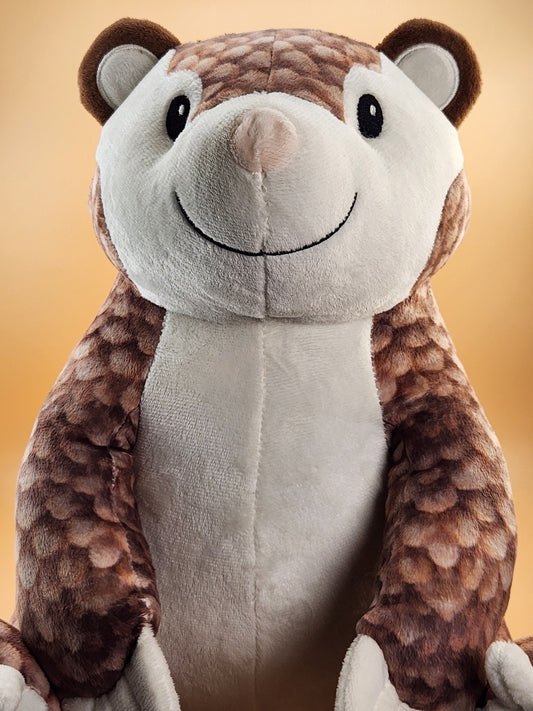
A practical example is a species-specific plush paired with a short educational card. A pangolin plush, for instance, can introduce the idea that some animals need protection without flooding the child with alarming detail. Snugglebug's Paulie the Pangolin follows that model by pairing a plush animal with age-appropriate species information, which can help adults start small, calm conversations about wildlife and care.
Good options for this age often include:
- Plush plus story card for empathy and comfort
- Picture books about one species rather than broad encyclopedias
- Simple habitat play sets that let children match animals to environments
Ages 8 to 12
Older children usually want a role. They don't only want to admire animals. They want to do something with the interest.
For this age group, interactive gifts are more effective than purely decorative ones. Wildlife-tracking bracelets, beginner nature journals, citizen science kits, or symbolic adoption packages can help this age group connect fascination with action. A child can follow updates, keep notes, compare species facts, or talk about migration and habitat in more detail than a younger child can.
A useful comparison looks like this:
| Gift type | Why it works for this age |
|---|---|
| Wildlife-tracking bracelet | Adds repeat engagement and curiosity |
| Symbolic animal adoption | Connects emotion to real support |
| Nature observation kit | Encourages active outdoor noticing |
| Chapter book about a species | Builds deeper knowledge and reflection |
Teens and adults
Older recipients usually appreciate gifts that respect independence and complexity. They may prefer fewer “cute” signals and more substance.
Good examples include:
- Symbolic adoptions tied to reputable organizations
- Wildlife-inspired home goods with a clear conservation story
- Museum or zoo memberships that encourage return visits
- Experience gifts such as sanctuary visits, wildlife talks, or guided nature programs
The right gift meets the recipient where they are. Younger children need comfort and story. Older children want participation. Teens and adults often value credibility, beauty, and real impact.
That age-aware approach prevents a common mistake. A gift can be animal-themed and still miss the recipient completely.
How to Vet a Gift's Ethical and Conservation Claims
Animal-themed products often come wrapped in warm language. Ethical. Sustainable. Supports wildlife. Gives back. Some of those claims are real. Some are marketing fog.
A careful buyer doesn't need to become an investigator, but a few checks can quickly separate substance from surface.

What to look for first
The clearest animal gifts usually show four things. The buyer can identify the species connection, the conservation partner, the repeat-engagement piece, and the donation pathway.
That pattern appears especially clearly in wildlife-tracking gifts. The strongest versions combine a tangible item with an interactive conservation experience, name their partner organizations, and include ongoing assets such as updates or species information. Good examples in curated guides include programs connected to organizations such as Sea Turtle Conservancy and Save the Elephants, with clear donation mechanisms and repeat engagement built into the experience (Good Good Good guide to gifts for animal lovers).
A buyer can ask:
- Who receives support? Named partners are better than vague promises.
- How does the recipient stay engaged? Tracking updates, species cards, or follow-up learning tools add value.
- What exactly is being funded? Habitat work, rescue support, education, or care should be explained.
- Are the materials discussed clearly? Plain details beat feel-good labels.
For buyers comparing plush options, guides to eco-friendly plush toys can help clarify what to look for in fabrics, stuffing, packaging, and brand transparency.
A meaningful claim is specific enough that a buyer can repeat it to someone else without guessing.
This short video offers another useful lens for evaluating product claims before buying.
Red flags that deserve caution
Some warning signs show up again and again.
-
Vague charity language
“A portion goes back” sounds generous, but it doesn't explain anything. Buyers should look for a clear mechanism. -
Animal imagery without animal relevance
A bracelet with a turtle charm isn't automatically a conservation gift. It may just be a turtle bracelet. -
No follow-through after purchase
If the impact story ends at checkout, the product may not build much lasting connection. -
No evidence of educational intent
Conscious buyers often want more than themed merchandise. They want a reason the animal was chosen and a way to learn more.
A good gift doesn't need to be perfect. It does need to be honest.
Turning a Gift Into a Lasting Learning Experience
The wrapping comes off in minutes. The learning can stretch for weeks or months if the adults around the child know how to use the gift well.
That matters because many children carry strong feelings about animals. Some are grieving a pet. Some feel worried when they hear about endangered species. Some are trying to understand why humans protect some animals and harm others. The emotional side of gifts for animal lovers is often ignored, even though 70% of children experience significant grief after a pet's death, and 85% of gift guides for animal lovers leave out grief support. At the same time, plush toys with educational cards are increasingly used in play therapy to help children build emotional resilience.

A simple family example
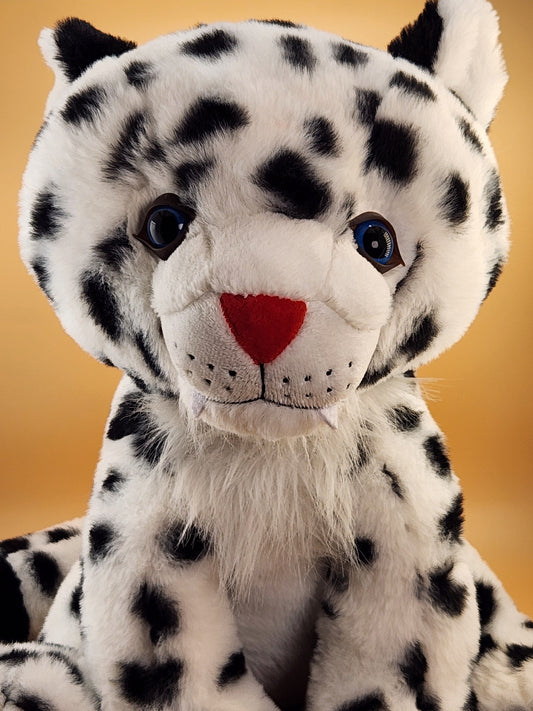
A child receives a snow leopard plush after losing an elderly family cat. On day one, the plush is comfort. Nothing more needs to happen. The adult doesn't need to force a lesson.
A few days later, the adult reads the animal card with the child. The conversation stays gentle. Where do snow leopards live? Why do they need space? What helps animals stay safe? The child begins with affection and slowly moves toward understanding.
A week later, the family notices a local animal on a walk and compares its needs with the snow leopard's needs. Shelter. Food. Quiet. Safety. The gift has now become a bridge between personal feelings and wider compassion.
That kind of extension is easier when adults have a few activity ideas ready, such as the kinds of prompts found in stuffed animal learning activities for families.
Questions that deepen the experience
Not every conversation should sound like a quiz. Open questions work better.
A caregiver or educator might ask:
- What do you think this animal needs to feel safe?
- Why do people care about protecting its home?
- Does this animal remind you of any animal you already know?
- What would you want humans to do to help it?
Some children first process grief or worry through play, not direct conversation. A plush toy gives them a safe stand-in for feelings they can't yet name.
Small follow-up activities help too:
- Draw the habitat and talk about what belongs there.
- Create a care routine for the plush and compare it with what wild animals need.
- Pick one action such as reading a new animal book, visiting a zoo, or supporting a local shelter.
- Return to the story later instead of trying to resolve every feeling at once.
Such a gift becomes more than an object. It becomes a companion, a prompt, and sometimes a soft place for hard conversations.
The Art of Giving a Gift That Matters
A meaningful animal gift doesn't have to be expensive or complicated. It just needs intention. The strongest choices respect the recipient's age, match their real interests, and connect affection for animals with a bigger story about care.
That could mean a plush with a species card for a young child. It could mean a wildlife-tracking gift for a curious older kid. It could mean a symbolic adoption, museum purchase, or conservation-linked experience for a teen or adult. The form changes. The principle stays the same.
A good gift says more than “this animal is cute.” It says, “this animal has a life, a habitat, and a place in the world worth understanding.” That's why thoughtful gifts for animal lovers stay with people. They don't just decorate a room or fill a holiday bag. They deepen identity.
A careful giver can keep the process simple:
| Start with | Then check | End with |
|---|---|---|
| The person's age and interests | Learning, ethics, fit, and impact | A small conversation or activity that extends the gift |
That final step is often the most overlooked. A note tucked into the box, a story read together, a follow-up nature walk, or a question asked at bedtime can turn a present into a memory.
The most lasting gifts don't just celebrate what someone already loves. They help that love grow roots.
For families, teachers, and gift buyers who want an animal gift to carry comfort, education, and conservation value together, Snugglebug offers species-specific plush toys paired with educational cards and a conservation mission designed to support ongoing learning at home.