
Best Animal Adoption Gifts for 2026
A familiar gift problem shows up every birthday and holiday season. The recipient already has enough toys, enough clothes, and enough little things that feel exciting for a week and then disappear into a closet. The person giving the gift wants something warmer than a gift card and more meaningful than another random plush.
That's where animal adoption gifts start to stand out. They can give a child, teen, or adult something tangible to hold onto, while also connecting that gift to care for wildlife or animal welfare. The best versions do more than look cute. They help the recipient understand what they're supporting and why it matters.
That bigger context matters. Globally, approximately 6.5 million animals enter shelters annually, yet only 3.2 million are successfully adopted, according to The Zebra's pet adoption statistics roundup. That gap shows how much support animals still need. For many families, a thoughtful gift that supports conservation can become a practical way to turn kindness into action.
Table of Contents
- The Search for a More Meaningful Gift
- What Exactly Is an Animal Adoption Gift
- Exploring Different Types of Adoption Gifts
- How to Choose the Most Impactful Gift
- Presenting Your Gift and Crafting the Perfect Note
- Adoption Gifts for Classrooms and Hospitals
- Giving a Gift That Truly Keeps on Giving
The Search for a More Meaningful Gift
A meaningful gift usually starts with one question. What will still matter after the wrapping paper is gone?
Animal adoption gifts work well because they connect emotion, learning, and generosity. A child gets a story to follow. A teen gets a cause to care about. An adult gets something that reflects their values instead of adding more clutter to a shelf.
That shift can feel especially important for families trying to buy less and choose better. Instead of giving one more novelty item, a giver can choose something that points outward toward animal care, habitat protection, or wildlife education. For readers looking at other thoughtful ideas in the same spirit, this collection of gifts for animal lovers can help narrow the field.
Why this category resonates
The strongest gifts usually do at least two things at once. They delight the recipient, and they give the giver confidence that the purchase mattered.
Animal adoption gifts fit that need because they often come with a concrete story. A sea turtle kit can open a conversation about oceans. A wolf adoption certificate can lead to questions about habitats, packs, and coexistence. A sanctuary-based gift can help a child understand that some animals need lifelong human care.
Practical rule: If the gift can spark a conversation the same day it's opened, it has a much better chance of being remembered.
A practical example
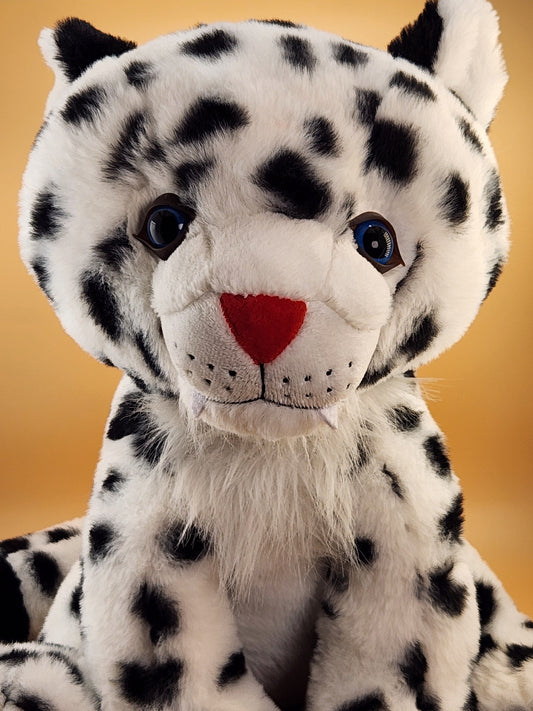
A grandparent shopping for a seven-year-old who loves snow leopards might compare three options. One is a generic toy from a big-box store. Another is a symbolic adoption with a certificate and species information. A third is a mission-driven wildlife gift that includes a plush plus age-friendly learning materials.
All three might look sweet on the outside. Only one or two will help that child connect affection with understanding.
That's the difference between a pleasant present and a gift with staying power.
What Exactly Is an Animal Adoption Gift
Many people hear the phrase and assume it means bringing an animal home. That isn't what this category usually means.
A simple definition
An animal adoption gift is usually a symbolic donation made in honor of a person. The recipient may receive a plush, certificate, photo, card, or educational materials, but the actual animal stays in the wild, in a sanctuary, or under the care of a conservation organization.

A useful comparison is school sponsorship. The donor doesn't bring a student home. The donation helps provide resources so that student can thrive. Symbolic animal adoption works in a similar way. The gift creates a relationship and a sense of care without transferring ownership.
According to Endangered Species Heroes on gifts that protect endangered species, symbolic adoption gifts directly fund anti-poaching patrols, veterinary rehabilitation, and habitat restoration. Those are real-world outcomes. The fluffy extras are there to help the human recipient feel connected to the cause.
Why the word adoption gets used
The word adoption can confuse shoppers because it sounds more personal than donation or sponsorship. That's intentional.
WWF explains in its adoption FAQs that the term is used to emphasize responsibility and direct care, even though the animal remains in the wild. That language matters because it helps the recipient feel emotionally invested. A child who “adopts” a red panda often pays more attention than a child who's only told that a donation was made somewhere.
The best symbolic gifts make the emotional bridge clear. “You're helping this species” lands better than “a contribution has been processed.”
That's also why many programs include a plush proxy. A stuffed tiger or otter gives a child something to hold while they learn that the actual animal needs forests, rivers, safe migration routes, or protection from poaching.
For adults, the same principle still works. The certificate or keepsake acts as a reminder that the gift wasn't just decorative. It represented direct support for a cause the giver wanted to honor.
Exploring Different Types of Adoption Gifts
Not all animal adoption gifts work the same way. Some are built around symbolism. Some focus more heavily on direct giving. Others lean into experience or everyday use.

Four common formats
1. Symbolic adoption kits
This is often the first format that comes to mind. It often includes a plush animal, an adoption certificate, a species fact card, and sometimes an activity sheet or booklet. WWF-style kits and many wildlife nonprofit packages fall into this group.
These are strong choices for birthdays, holidays, and child-friendly celebrations because there's something to open. For a six-year-old who wants a polar bear, the plush creates instant excitement while the paper materials give adults a way to explain the conservation side.
2. Direct conservation donations
Some gifts skip the physical package entirely. The giver donates in the recipient's name to support a species, rescue effort, or habitat project. This format often appeals to teens and adults who care more about maximum cause support than about keepsakes.
A practical example is a donation made in honor of a college student who's passionate about sea turtles. The card might explain that the gift supports fieldwork, habitat protection, or animal care, without bundling in merchandise.
3. Experience-based gifts
These gifts create memory first and object second. A zoo encounter, wildlife center visit, sanctuary tour, or “keeper for a day” style experience can deepen a recipient's connection to a species.
This works especially well for older children who ask a lot of questions and enjoy learning by seeing. A child who meets a bird ambassador at a rehabilitation center often remembers that experience longer than a standard toy purchase.
4. Mission-driven products
This category includes products sold by brands whose business model supports wildlife education or conservation. The item itself is the gift, but it also acts as a gateway to a larger story.
For example, an endangered-species plush paired with an educational card can work well for families who want a softer entry point than a certificate-heavy donation kit. The product becomes part comfort item, part learning tool.
A good buyer question is simple. Does the recipient need a symbol, an experience, a keepsake, or a clearer path to learning?
Animal Adoption Gift Comparison
| Gift Type | What You Get | Best For | Example |
|---|---|---|---|
| Symbolic adoption kits | Plush, certificate, fact card, printed materials | Younger children, family gifting, holiday presents | A wildlife nonprofit adoption package with a plush animal |
| Direct conservation donations | Donation acknowledgment, digital or printed dedication | Teens, adults, minimalists | A species-support donation made in someone's name |
| Experience-based gifts | Visit, encounter, class, or animal-care themed experience | Curious older kids, classrooms, family outings | A wildlife center tour or animal encounter day |
| Mission-driven products | A product tied to conservation or education | Everyday gifting, comfort items, learning-focused families | An endangered-animal plush with educational materials |
A practical buying pattern helps here. If the recipient wants something to unwrap, symbolic kits and mission-driven products usually fit better. If the recipient cares most about impact, direct donations often make more sense. If the recipient learns best through doing, experiences can be unforgettable.
No single format is best for everyone. The right choice depends on what the gift is supposed to do after it's opened.
How to Choose the Most Impactful Gift
A good animal adoption gift should do two jobs at once. It should delight the person opening it, and it should make the conservation story easy to grasp.

The easiest way to choose well is to use two filters. First, ask whether the gift matches the recipient's learning stage. Second, ask whether the organization explains its impact clearly enough for your standards. Those two questions help you avoid a common problem. A gift that feels heartwarming at checkout can feel confusing once it is opened.
Match the gift to the recipient's learning stage
Children do not process wildlife information the same way adults do. A six-year-old usually connects with one animal, one simple story, and one clear action. A teenager can handle habitat loss, tradeoffs, and why conservation work takes time. Adults often care less about the keepsake and more about where the money goes.
That difference matters.
Defenders' article on animal gifts that give back notes that many parents have trouble explaining conservation to younger children without age-tiered tools. That is a helpful reminder for gift buyers. If the materials are too abstract, the child may remember the plush but miss the purpose.
A simple rule helps here. Choose the gift the way you would choose a book. A beginner reader needs clear pictures and short sentences. A strong reader wants more context and detail.
Use that same logic here:
- Preschool and early elementary: Pick gifts with one animal, simple visuals, and a few concrete facts. “Sea turtles need safe beaches” is easier to hold onto than a page full of policy language.
- Elementary ages: Look for materials that explain what the animal eats, where it lives, and one reason people are helping protect it.
- Tweens and teens: Choose programs that explain threats, conservation choices, and what support funds in real terms.
- Adults: Look closely at transparency, mission fit, and how clearly the organization explains results.
Ask what kind of impact you want to give
“Impactful” does not mean the same thing for every family. For one parent, impact means the child talks about snow leopards for months and starts caring about wildlife. For another buyer, impact means sending as much money as possible to fieldwork, rescue, or habitat protection.
Both are valid.
The key is to decide which kind of impact matters most before you buy. If you skip that step, it is easy to compare gifts that are trying to do different jobs. A plush-centered kit and a direct donation may both be good choices, but they serve different values.
Check transparency without overcomplicating it
This is the part many shoppers rush through. The photos are charming. The certificate looks giftable. But the core question is simpler. Does the organization explain, in plain language, what your purchase supports?
As noted earlier, the Defenders article points out that some symbolic kits spend a meaningful share on merchandise, while other giving models direct much more to conservation work. That does not make one format right and another wrong. It means you should choose with open eyes.
A quick evaluation checklist can keep you grounded:
- Read the funding explanation. Does the organization say what the money supports, using clear words instead of broad promises?
- Review the learning materials. Are they written for the recipient's age, or were adult materials inappropriately tucked into a child's gift box?
- Decide how important the keepsake is. Some children form a lasting bond through a plush or display item. Some recipients would rather skip extras and support the cause more directly.
- Consider what will happen after the gift is opened. Will this become a bedtime companion, a classroom conversation starter, or a certificate that gets set aside by next week?
For readers comparing giving options beyond symbolic adoptions, this guide to animal rescue donations and how they support real-world care adds another useful perspective.
Buying shortcut: Younger children often benefit from a tangible item that makes the story feel real. Older teens and adults usually value clear impact reporting more.
The strongest choice is the one that fits the recipient's age, fits your values, and leaves the person with a clear sense of connection. Curiosity is part of the gift. Clarity is too.
Presenting Your Gift and Crafting the Perfect Note
A symbolic gift needs a little framing. Without that, the recipient may only see a plush or a certificate and miss the meaning behind it.
Make the moment feel personal
Presentation works best when it answers three questions right away. Who is the animal? Why was this one chosen? How is the recipient helping?
For a child, that might mean putting the plush, certificate, and one simple sentence together in a gift bag. For a teen, it might mean pairing the gift with a handwritten note about advocacy, wildlife, or the kind of world they care about building. For an adult, a thoughtful card often matters more than elaborate wrapping.
A practical example helps. If a child receives a sea turtle adoption gift, the adult giving it might say, “This turtle is your animal friend, and this gift helps people protect animals like it.” That sentence is concrete. It gives the child a role.
Keep the explanation short at first. A gift note should open the door, not become a lecture.
Three note examples
For a young child
“Happy Birthday, Emma. A snowy owl has been adopted in your honor. Your new owl friend reminds everyone that animals need safe homes too. Thank you for being such a kind helper.”
This version keeps the language warm and simple. It focuses on friendship and helping.
For a teen
“Happy Birthday, Jayden. This animal adoption gift was chosen because care for wildlife matters to this family, and that spirit shows up in the way you move through the world. This gift supports real protection work while also giving a reminder that one person's attention and compassion count.”
This version respects a teen's growing sense of identity. It doesn't sound babyish.
For an adult
“In honor of your birthday, a wildlife adoption gift was chosen that reflects the value you place on compassion, stewardship, and practical action. May it serve as a small, joyful reminder that thoughtful choices can support the living world beyond the moment of celebration.”
This version works well for parents, grandparents, teachers, and friends who appreciate values-based giving.
A small extra can deepen the experience. Add a printed photo of the species, a library book about the animal, or a short family activity like “find this animal on a map.” Those details help the gift last longer in memory.
Adoption Gifts for Classrooms and Hospitals
Animal adoption gifts can do more than mark a birthday. In group settings, they can become shared anchors for learning, comfort, and conversation.

Using them in classrooms
In a classroom, the gift works best when it becomes part of a routine rather than a one-day event. Teachers can introduce the adopted animal as a class mascot, reading buddy, science prompt, or geography link.
A practical example is a class “adopting” a red panda and then building short activities around it across several weeks. Students might locate its habitat on a map, draw its environment, compare forest homes, or write one sentence about what the animal needs to thrive. The gift becomes a thread connecting science, literacy, and empathy.
Useful classroom ideas include:
- Mascot role: Let the animal sit in the reading corner and “listen” during read-aloud time.
- Writing prompt: Ask students to write a postcard from the animal's habitat.
- Map activity: Mark where the species lives and compare that place with the students' own community.
- Care language: Build vocabulary such as protect, habitat, shelter, and coexist.
Using them in hospitals and therapy settings
In hospitals, family nonprofits, and therapy programs, a tangible comfort object matters. A soft animal can provide something familiar to hold during stressful moments. When that plush is also linked to a story of care and protection, it adds gentle meaning without asking too much from the child.
That combination can be powerful because it doesn't force a heavy lesson. A nurse, child-life specialist, or therapist can say that this animal matters, people are helping it, and the child now has a companion connected to that care.
Children often understand big ideas through one small object they can hold onto.
A practical hospital example might involve giving a child a plush endangered animal with a short card that says the species needs help in the wild. That message can support social-emotional learning in a quiet way. It encourages compassion, connection, and a sense that helping is possible.
For group programs, staff can also use the animal as a conversation starter. Which animals need safe places? What does care look like? Who helps when someone is vulnerable? Those questions support both emotional reflection and age-appropriate conservation learning.
Giving a Gift That Truly Keeps on Giving
A birthday party winds down, the wrapping paper is in a heap, and one gift keeps coming up in conversation weeks later. That is usually the gift that gave the child something to return to. A question, a story, a species to care about, or a clear example of how people help.
The strongest animal adoption gifts are carefully matched gifts.
A preschooler may light up over a plush fox and a one-page story about forests. A middle school student may want to know where the money goes, which threats the species faces, and what progress protection work can make. An adult recipient might care most about whether the organization explains its funding clearly. Choosing well works a lot like choosing books. The right level creates curiosity. The wrong level creates boredom or confusion.
That is why two questions matter at the end of your search. Can this person understand and enjoy what comes with the gift? Can you easily see what kind of support your purchase provides? When both answers are yes, the gift carries weight long after the occasion passes.
That long life is its true value. An adoption gift can become a bedtime conversation, a school project idea, a family tradition, or a quiet reminder that care is something people practice, not just talk about.
If you want to keep exploring gifts built around generosity and meaning, this guide to gifts that give back to charity is a useful next read.
For families, educators, and thoughtful gift buyers who want a softer, more educational way to connect children with wildlife, Snugglebug offers species-inspired plush companions designed to turn affection into curiosity and care.