
Meaningful Gifts that Give Back to Charity: 2026 Guide
A lot of gift buyers are sitting with the same problem right now. They want something thoughtful, useful, and personal, but they also want the purchase to reflect their values. A candle is nice. A mug is fine. But many people are looking for a gift that carries a little more meaning.
That’s where gifts that give back to charity stand out. They let a birthday, holiday, thank-you, or classroom celebration do two things at once. The recipient gets something tangible, and a cause receives support at the same time. For families, teachers, caregivers, and conscious shoppers, that can turn an ordinary present into a conversation about kindness, responsibility, and real-world impact.
The tricky part is knowing what counts as giving back, what claims are meaningful, and how to choose a gift that fits the person receiving it. A helpful starting point is this guide on voting with your wallet and cuddling with purpose, which shows how a purchase can reflect both care and values.
Table of Contents
- More Than a Present The Rise of Meaningful Gifting
- Understanding the Models of Charitable Gifting
- From Promise to Proof Vetting Cause-Driven Brands
- Finding the Perfect Gift for Their Passion
- Understanding Tax Implications and Donation Transparency
- Making Every Gift an Act of Goodness
More Than a Present The Rise of Meaningful Gifting
A child opens a plush toy and hugs it right away. A teacher receives a notebook tied to a literacy program. A friend unwraps a water bottle linked to clean water access. In each case, the gift still does what a gift should do. It delights, comforts, or helps. But it also carries a second story.
That second story matters because many shoppers don’t want their spending to feel disconnected from the world around them. They want a present to say, “This reminded me of you,” and also, “This choice supports something good.” That’s a different kind of value. It isn’t only about the object itself. It’s about what the object sets in motion.
A meaningful gift often works on two levels. It serves the person receiving it, and it reflects the values of the person giving it.
This shift has made cause-driven shopping easier to notice across birthdays, baby showers, classroom events, and holiday lists. Some gifts support conservation. Others support health, education, or community care. The common thread is intention.
Readers often get confused here because “giving back” can sound vague. Sometimes it means a company donates part of a sale. Sometimes it means a direct item donation. Sometimes it means a long-term partnership with a nonprofit. Those differences matter, and understanding them helps a buyer choose with confidence instead of relying on feel-good branding alone.
Understanding the Models of Charitable Gifting
Some charitable gifts are easy to understand at a glance. Others sound generous but leave buyers wondering what happens after checkout. The clearest way to evaluate them is to know the main models first.
Four common ways brands give back
Percentage of profits is one of the most common models. A company promises that a portion of profits goes to a cause. This can be meaningful, but buyers should remember that profits are what remain after expenses. The amount donated may vary depending on how the business performs.
Percentage of revenue or sales is usually easier for shoppers to picture. If a company gives part of each sale, the relationship between purchase and donation is more direct. That often makes the model easier to explain to children, schools, or gift recipients.
Buy-one-give-one programs connect one purchase to one donated product or service. This model is simple and memorable. It can work well when the donated item clearly matches a real need, but it still helps to know who receives the item and how distribution happens.
Direct per-purchase donations tie each sale to a fixed action. For example, a product might support a meal, a book, or a contribution to a named nonprofit. This can be one of the clearest formats when the company explains the mechanism well.
Practical rule: If a buyer can’t explain the donation model in one sentence, the brand probably hasn’t explained it clearly enough.
Why this matters beyond one purchase
These models matter because individual giving is already a major force in American philanthropy. In 2024, total U.S. charitable giving reached a record $592.50 billion, with individuals contributing $392.45 billion, or 66.7% of the total, according to National Philanthropic Trust charitable giving statistics. That helps explain why gifts that give back to charity have become so appealing. Individual choices add up.
A practical example helps. A parent buying a birthday gift might compare two brands. One says it “supports good causes.” Another states exactly how each purchase contributes and names the partner organization. Both may sound kind, but only one gives the buyer enough information to understand the impact.
That’s the heart of charitable gifting. The gift itself matters, but the model behind it tells the story.
From Promise to Proof Vetting Cause-Driven Brands
Cause-driven branding is everywhere, and that’s exactly why vetting matters. Warm language can make almost any product sound generous. Buyers need a way to tell the difference between a real commitment and a vague promise.
The strongest brands make their giving easy to verify. They name the cause, explain the mechanism, and show what the support does in practice. Weak claims stay blurry. They lean on words like “support,” “help,” or “raise awareness” without explaining how.
What strong charity claims look like
A useful example comes from LifeStraw. According to Extra Space Storage’s example of gifts that give back, every 500 LifeStraw consumer purchases fund a water purifier that provides safe drinking water for 100 schoolchildren for up to 5 years, preventing over 1,000 cases of diarrheal disease per unit. That stands out because it connects purchases to a specific outcome.
That example shows three things buyers should look for:
- A clear mechanism. The company explains what triggers the donation.
- A named result. Buyers can understand what the donation funds.
- A measurable outcome. The impact isn’t left as a general promise.
A weaker claim would say that purchases “help communities” without saying how. That may still involve sincere effort, but it doesn’t give a shopper enough information to judge the impact.
The more specific the giving claim, the easier it is to trust and compare.
A practical checklist for buyers
When families, schools, or workplaces choose gifts that give back to charity, a short checklist can prevent disappointment.
| Vetting Question | What to Look For |
|---|---|
| Is the cause clearly named? | A specific nonprofit, program, or beneficiary instead of a broad statement |
| Is the donation model explained? | Clear wording such as part of profits, part of sales, item donation, or a defined program trigger |
| Can the buyer trace the impact? | Concrete examples of what the donation funds or changes |
| Does the brand show proof over time? | Updates, reports, partner details, or ongoing program information |
| Does the product still fit the recipient? | Quality, usefulness, age fit, and relevance to the person receiving it |
A practical shopping example makes this easier. If a caregiver is buying for a child who loves animals, the gift should still be soft, durable, and age-appropriate. The charitable element adds value, but it doesn’t replace product quality. The same goes for a teacher gift, hospital donation, or classroom reward. The item has to work as a gift first.
Another helpful test is to read the claim out loud. If it sounds polished but still leaves basic questions unanswered, the brand may not be giving buyers enough to work with. A trustworthy company doesn’t make people guess.
Finding the Perfect Gift for Their Passion
The best charitable gifts don’t start with the product category. They start with the person. A cause-driven gift feels stronger when the mission matches the recipient’s interests, worries, or everyday life.
That means the right question isn’t “What products give back?” It’s “What does this person care about, and what kind of gift would make that care feel personal?”

For the animal lover
Animal-focused gifts work well because they connect emotion and action so naturally. A wildlife bracelet, a species-themed book, or a plush tied to conservation can all turn affection for animals into support for a related cause.
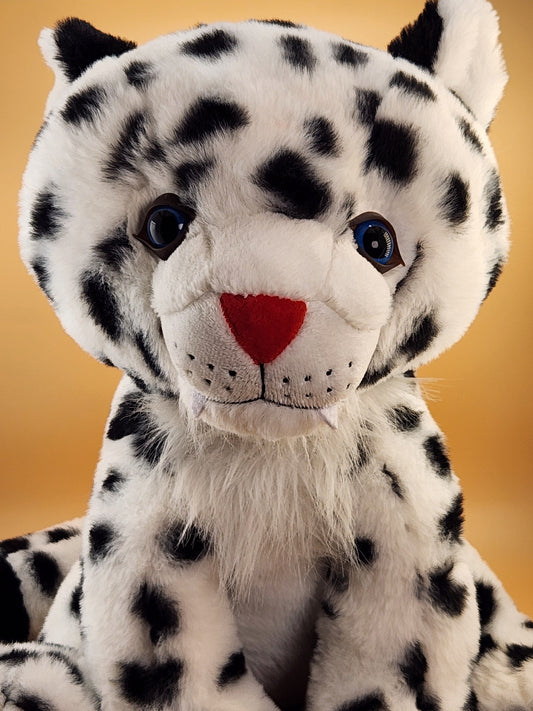
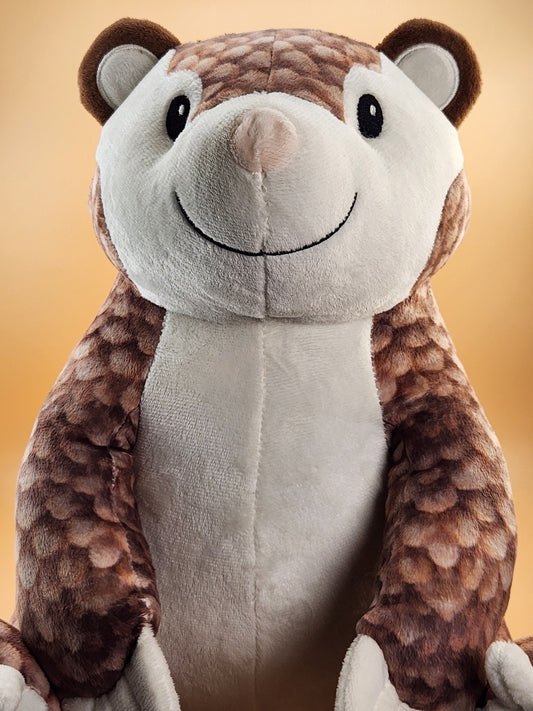
One factual example in this space is Snugglebug, a plush toy brand that creates species-specific toys such as Paulie the Pangolin and donates 15% of profits to vetted conservation organizations. The plushies also include educational cards with age-appropriate conservation tips, which makes the gift useful for play and learning at the same time.
This category fits children especially well, but it also works for adults who are passionate about rescue, habitat protection, or biodiversity.
For the eco-warrior
Some recipients light up around sustainability. For them, the strongest gifts often combine everyday usefulness with environmental support. Reusable items, products tied to habitat restoration, and goods linked to water or waste reduction can feel especially relevant.
The key is fit. A beautiful eco-themed product that never gets used won’t feel meaningful for long. A practical item that becomes part of daily life usually carries the cause farther.
Matching the mission to the recipient often matters more than choosing the most dramatic charity claim.
For the curious child
Children are often left out of gift guides in this category, or they’re treated as an afterthought. That’s a missed opportunity. According to Soles4Souls coverage referenced in the verified data, a 2025 WWF survey found that 55% of parents report children are stressed by news of extinction. That makes educational, conservation-focused toys especially relevant.
A practical example helps. A child who feels upset about endangered animals may respond better to a soft companion linked to learning and care than to a generic novelty gift. The gift becomes a gentle bridge between worry and action. It offers comfort, and it gives adults a way to talk about helping rather than only about loss.
This is also why cause-driven plush gifts can make sense for therapy settings, waiting rooms, hospital programs, and classrooms. They’re comforting, but they can also spark empathy and curiosity.
For the arts or health supporter
Not every recipient connects most strongly with animals or environmental causes. Some care about museums, community arts, children’s health, or medical support. In those cases, a charitable gift feels more personal when the mission lines up with that world.
A simple way to decide is to ask three questions:
- What does this person already talk about or volunteer for?
- What kind of item would they use or enjoy?
- Would they care about hearing the impact story behind the gift?
When the answer to all three lines up, the gift usually lands well.
Understanding Tax Implications and Donation Transparency
Many buyers assume that if a product supports charity, the purchase itself must be tax-deductible. That’s where confusion starts. In most cases, buying from a for-profit company, even one with a charitable mission, isn’t the same as making a direct donation to a nonprofit.

What buyers should expect on taxes
A practical way to think about it is this. If someone buys a gift from a business, they are purchasing a product. The company may later donate part of its profits or sales, but the customer usually hasn’t made a direct charitable contribution in the tax sense.
If someone donates directly to a nonprofit in another person’s honor, that situation is different. The donor is giving to the nonprofit itself, and that may come with tax documentation from the organization.
Buyers don’t need to become tax experts to shop wisely. They just need to avoid assuming that every cause-related purchase works like a direct donation.
What transparency looks like in practice
Transparency is still essential, even when tax deductibility isn’t part of the transaction. A responsible brand should explain who benefits, how the donation is calculated, and where buyers can learn more. A useful example is a beneficiaries page that names partner organizations and the work they support, such as Snugglebug’s conservation beneficiaries.
Helpful signs include:
- Named partners rather than general cause language
- Clear donation wording so shoppers know what the purchase supports
- Accessible updates that show the brand treats impact as an ongoing responsibility
A transparent company respects the buyer enough to show its work.
Making Every Gift an Act of Goodness
A meaningful charitable gift isn’t just a product with a cause attached. It’s a thoughtful match between the recipient, the mission, and the proof behind the promise. That’s what turns a nice gesture into something more lasting.
The strongest approach is simple. Understand the giving model. Check whether the brand explains its impact clearly. Choose a cause that fits the person receiving the gift. That could mean clean water, wildlife protection, arts access, community support, or a child’s need for comfort and connection.
There’s real power in that kind of intention. A single purchase won’t solve every problem, but it can support work that matters and start meaningful conversations at home, in classrooms, and in communities. For readers who want to see how a mission-based toy purchase can connect to wider conservation outcomes, this article on the real-world impact of a mission-driven plushie offers a helpful example.
Conscious gifting doesn’t require perfection. It asks for care, curiosity, and a willingness to look one step deeper.
For families, educators, and gift buyers looking for a thoughtful option, Snugglebug offers plush gifts tied to wildlife education and conservation, helping a present become both a comfort item and a conversation starter about caring for the natural world.