
Smart Animal Rescue Donations: Maximize Your Impact
A familiar moment often starts the giving journey. A person sees a shelter dog recovering from neglect on social media, reads about a crowded local rescue, or watches a child ask whether a lost cat found a home. The urge to help is immediate, but the next question is harder. Where should the money go, and how can a donor know it will actually help?
That uncertainty keeps many generous people stuck. Some worry that a small gift won't matter. Others want to help but feel overwhelmed by different rescue groups, donation forms, supply drives, and purchase-linked campaigns.
Animal rescue donations work best when compassion and clarity show up together. The emotional impulse matters because it gets people moving. The practical side matters because it turns that instinct into food, medicine, foster placement, transport, and adoptions.
Table of Contents
- From Impulse to Impact Why Your Donation Matters
- How to Find and Vet a Trustworthy Rescue
- Choosing Your Donation Style Cash In-Kind or Time
- The Practical Side Receipts Taxes and Avoiding Scams
- Amplify Your Gift Beyond a Simple Donation
- Your Guide to Becoming a Confident Animal Rescue Donor
From Impulse to Impact Why Your Donation Matters
Most donors don't begin with a spreadsheet. They begin with a face. A senior dog in a kennel. A litter of kittens in foster care. A rescue post that says a shelter is over capacity.
That reaction is worth trusting. It connects a personal moment to a very large, very real system of care. In the United States, sheltering and rescue operate at national scale, and donations help keep that system moving.
The 2025 National Shelter Data Report from Best Friends found that about 4.7 million dogs and cats entered shelters, about 2.5 million were adopted, and the national save rate reached 82.5%, up almost 12 percentage points since 2016. Those numbers matter because they show that animal rescue donations support a data-tracked network where even small improvements can affect hundreds of thousands of animals.
A donor doesn't have to fund an entire building to make a difference. Rescue work is built from many smaller actions combined. One gift may help cover preventive care. Another may support foster supplies. Another may help process an adoption faster, which opens a kennel for the next animal.
Practical rule: A small donation is rarely an isolated act. In rescue, it usually becomes part of a chain that helps an animal move from intake to care to placement.
That's also why thoughtful giving feels more powerful once a donor understands the system. The question shifts from “Will this matter?” to “Which kind of help fits this rescue's needs right now?”
For readers who want to see how mission-driven purchases can connect to broader giving, this look at real-world mission impact offers one example of how values-based buying can support causes beyond the moment of purchase.
How to Find and Vet a Trustworthy Rescue
Trust is what turns a donation from hopeful to confident. A good rescue should make it easy for the public to understand who runs the organization, how animals are cared for, and what results the work is producing.

What to verify first
Start with the basics. A legitimate rescue should clearly identify its legal name, contact information, and nonprofit status if it claims to be tax-deductible. A donor can then cross-check that information using tools such as Charity Navigator, Candid's GuideStar profile search, and the IRS Tax Exempt Organization Search.
A rescue's own website should also answer simple questions without forcing a donor to dig. It should explain what animals it serves, whether it runs a shelter or foster-based model, and how people can donate, adopt, volunteer, or ask questions.
One useful comparison is this. A transparent rescue usually shows a clear mission, recent updates, adoption stories, and direct ways to contact staff. A questionable organization often relies on emotional language alone, gives few details about animal care, and makes it hard to confirm where money goes.
Readers who want to see how some organizations present supported causes publicly can review Snugglebug's beneficiaries page as one example of naming partner organizations directly.
Which numbers matter most
Financial transparency matters, but rescue outcomes matter too. Donors should look for organizations that track operational measures such as save rate, adoption rate, and length of stay. According to Best Friends shelter data guidance, the no-kill benchmark is a 90% save rate for dogs and cats, while the 2025 national shelter save rate was 82.5%. That gap shows why it's useful to support groups that measure progress instead of relying on vague claims.
A rescue doesn't need perfect numbers to deserve support. It does need honesty. If a group explains its challenges, shows how it measures outcomes, and reports progress over time, that's a strong sign of accountability.
A donor can use a simple review lens:
| Check | What to look for | Why it matters |
|---|---|---|
| Mission clarity | Specific description of whom the rescue serves | Clear missions usually lead to clearer spending |
| Outcome reporting | Save rate, adoption activity, length of stay, or similar metrics | Shows the group tracks real-world impact |
| Financial documents | Annual reports, Form 990, or other public records when applicable | Helps donors assess transparency |
| Contact access | Real address, phone, email, and named leadership | Makes the organization easier to verify |
A rescue that tracks hard questions is usually more trustworthy than one that only posts heartwarming stories.
Green flags and red flags
Some signs stand out quickly once a donor knows where to look.
- Green flag: Clear care process. The rescue explains intake, veterinary treatment, foster placement, and adoption steps in plain language.
- Green flag: Specific asks. Instead of saying “we need help,” it posts a wish list, names current priorities, or explains what unrestricted donations support.
- Green flag: Responsive communication. Staff or volunteers answer reasonable questions about care standards, current programs, and where funds go.
- Red flag: Pressure tactics. Messages that demand instant payment and punish hesitation often deserve extra scrutiny.
- Red flag: Vague identity. No physical address, no legal organization name, and no verifiable leadership should slow any donor down.
- Red flag: No evidence of animal outcomes. If a rescue never shares adoptions, transfers, fosters, or care protocols, a donor has too little to work with.
A practical example helps. If two rescues both ask for emergency funds, the stronger option is usually the one that shows current needs, introduces the team or foster network, and explains how donations support treatment, transport, or adoption preparation. The weaker option often leans on urgency without proof.
Choosing Your Donation Style Cash In-Kind or Time
Not every donor helps in the same way. Some can give money regularly. Some have supplies to share. Others have time, transport capacity, photography skills, or experience handling animals. Effective animal rescue donations match the donor's resources to the rescue's real needs.

Cash gives flexibility
Cash is often the most flexible form of support. A rescue can direct it toward medicine, transport, emergency boarding, spay and neuter services, adoption events, or foster reimbursements as needs shift.
Small gifts matter more than many people assume. Angels Among Us Pet Rescue has stated that the average cost is $35 per month per dog for essential flea, heartworm, and food coverage. That gives donors a concrete frame of reference. A $5 or $10 donation doesn't disappear into a symbolic pool. It helps offset recurring care.
A simple way to think about cash giving:
- One-time gift: Good for emergency appeals, medical cases, or seasonal campaigns.
- Monthly gift: Useful for predictable expenses such as preventive care, food, and foster support.
- Restricted gift: Best when a donor wants funds used for a specific purpose and the rescue is set up to honor that.
In-kind gifts work when they match real needs
In-kind donations can be excellent, but only when the items are wanted, safe, and timely. Rescues often need food, towels, cleaning supplies, crates, litter, enrichment items, and office supplies. Some can also use professional services such as printing, grooming, photography, or event support.
The common mistake is donating before checking the wish list. A bag of opened food, worn bedding, or random pet gear can create sorting work instead of relief. Calling first prevents that problem.
For families clearing out playrooms or gift closets, this guide to donating stuffed animals can help determine what's appropriate to pass along and how to prepare items responsibly.
Helpful test: The best in-kind gift is the one the rescue asked for, in the condition it requested, delivered when it can actually use it.
Time can be as valuable as money
Volunteer help often keeps a rescue functioning day to day. A group may need dog walkers, cat socializers, event helpers, foster homes, drivers, application screeners, or people who can write listings and take adoption photos.
This kind of support is especially valuable because it can improve the quality and speed of care. Better photos can attract adopters. Reliable drivers can get animals to appointments. Foster homes can reduce crowding and give staff more space to manage urgent cases.
A quick comparison makes the tradeoffs easier to see:
| Donation style | Best for | Main strength | Main caution |
|---|---|---|---|
| Cash | Most donors | Flexible and fast | Should go to a verified organization |
| In-kind | Donors with usable goods or services | Meets concrete needs directly | Must match current wish lists |
| Volunteer time | Donors with schedule flexibility | Supports daily operations | Requires reliability and fit |
A donor doesn't need to pick only one. Many people combine a modest recurring gift with occasional supplies or volunteer hours. That mix often creates the most durable support.
The Practical Side Receipts Taxes and Avoiding Scams
Giving feels better when the paperwork and safety basics are handled well. That doesn't mean a donor needs to become an accountant. It means slowing down long enough to make the donation traceable, documented, and secure.

What a donor should keep
For U.S. donors, tax-deductibility generally depends on giving to a verified 501(c)(3) organization. That's why nonprofit status should be confirmed before donating, especially if the appeal came through social media or a friend-of-a-friend post.
A clean receipt should include the organization's legal name, the date, and the amount of the cash donation. For in-kind gifts, donors should keep a written acknowledgment describing what was donated. The donor typically records the item value independently rather than asking the rescue to assign it.
A good habit is to save confirmation emails, screenshots of payment pages, and any thank-you letters in one folder. That makes year-end records much easier to find.
Warning signs that deserve a pause
Many scam appeals use the same pattern. They rely on distressing photos, urgent language, and a push to send money immediately through methods that are difficult to trace.
A donor should pause when an appeal includes any of these warning signs:
- No verification path. There's no legal name, website, or public information that connects the fundraiser to a real rescue.
- Pressure to bypass secure channels. The message insists on gift cards, direct personal transfers, or other payment methods that are hard to document.
- Story without specifics. The appeal names no clinic, no shelter, no foster, and no way to confirm the case.
- Hostility toward questions. Legitimate groups may be busy, but they shouldn't punish donors for asking reasonable questions.
When a story creates urgency but blocks verification, caution is part of compassion.
One practical script can help: ask for the rescue's legal name, nonprofit status if applicable, a direct donation page, and a brief explanation of how funds will be used. A credible group should be able to provide that without drama.
Amplify Your Gift Beyond a Simple Donation
Some donors want more than a one-time transaction. They want each act of support to travel further. That can happen through workplace programs, community participation, and careful purchase-linked giving.

Turn one gift into a wider effort
A practical first step is employer matching. Many companies offer charitable matching programs through human resources or workplace giving portals. The details vary, so the key move is simple: ask whether the employer matches gifts to animal welfare organizations and what documentation is required.
Community-based amplification works too. A family can host a shelter wish-list drive. A classroom can collect approved supplies. A neighborhood group can sponsor an adoption event table, share vetted rescue posts, or coordinate volunteer shifts.
These efforts work because they reduce friction for other people. Instead of asking everyone to research from scratch, one organized person does the vetting and creates a clear path to help.
A few examples:
- For families: Replace some birthday gifts with shelter supplies from an approved wish list.
- For schools or clubs: Pair an animal welfare lesson with a drive for requested items.
- For workplaces: Share a vetted donation page internally and ask whether the company can match employee gifts.
Shop with eyes open
Purchase-linked giving can be useful, but it deserves the same scrutiny as any donation. The biggest point of confusion is the phrase “every purchase helps.” That can mean very different things depending on the brand.
According to information published about the Max and Neo rescue program, some product-linked donation models are based on total sales rather than a direct one-to-one donation for each purchase, and some distributions are capped or scheduled in batches. That doesn't make the model bad. It does mean donors should read the details instead of assuming every item triggers an immediate, equal rescue donation.
A transparent purchase-linked model should answer basic questions clearly:
| Question | Why it matters |
|---|---|
| What is being donated? | “Profits,” “products,” and “a portion of proceeds” mean different things |
| When is it donated? | Immediate, periodic, or campaign-based timing affects expectations |
| Who receives it? | Named beneficiary organizations are easier to verify |
| Is there a cap or limit? | Caps change the real impact of additional purchases |
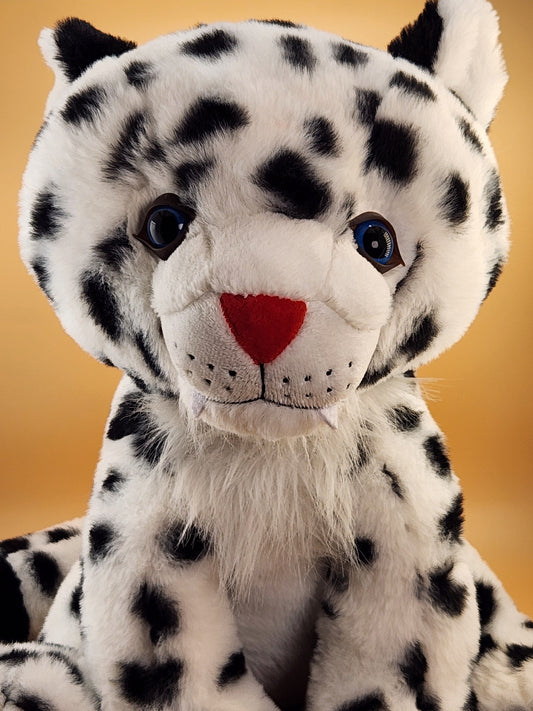
One option in this space is Snugglebug, a mission-driven plush toy brand that states it donates 15% of profits to vetted organizations protecting animals and habitats, while also using species-specific plush toys and educational cards to support wildlife learning. That kind of specificity helps shoppers understand the model before buying.
For readers who want a quick visual overview of cause-based support in action, this video adds useful context:
The broader lesson is simple. Shopping can complement direct giving, but it shouldn't replace clear thinking. The most effective animal rescue donations come from donors who understand whether they are making a cash gift, buying a product with a charitable component, or participating in a campaign with limits.
Your Guide to Becoming a Confident Animal Rescue Donor
Confident giving doesn't require deep expertise. It requires a few steady habits. Start with the emotional reason for helping, then test that instinct with evidence. Look for a real organization, clear reporting, and visible care standards.
Choose the donation style that fits real life. Cash gives flexibility. In-kind support works when it matches a rescue's wish list. Volunteer time can strengthen daily operations in ways money alone can't. The strongest choice is often the one a donor can sustain.
Keep the practical side simple and organized. Verify nonprofit status when tax deductibility matters. Save receipts. Slow down when a fundraising appeal feels urgent but hard to confirm. A careful donor isn't being skeptical of animals in need. That donor is protecting the path between generosity and impact.
Then look for ways to widen the circle. A matched gift, a small supply drive, or a transparent purchase-linked campaign can help one decision reach further.
Animal rescue donations matter because they connect ordinary people to extraordinary outcomes. Thoughtful donors help animals eat, recover, travel, foster, and find homes. That's a powerful role. It belongs not only to major funders, but also to everyday people who choose to give with both heart and judgment.
For readers who want one more way to support animal-centered impact through everyday gifting, Snugglebug offers a mission-driven shopping option built around education, empathy, and clearly stated charitable support.