
8 Global Conservation Success Stories to Inspire Hope
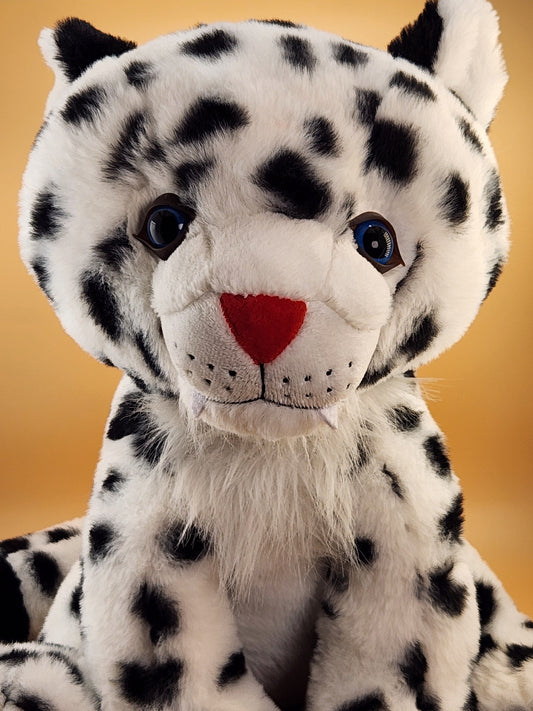
A child hugs a plush crane before bedtime and asks whether animals can come back after they almost disappear. The honest answer is yes, sometimes they can. That answer matters because the best conservation success stories show that recovery is built, not wished into existence.
From Hope to Habitat: Proof That Conservation Works. In a world filled with urgent news about our planet, it's easy to feel overwhelmed. But beyond the headlines, a different story is unfolding, one of resilience, ingenuity, and hope. Across the globe, dedicated teams of scientists, communities, and conservationists are turning the tide for endangered species. These conservation success stories aren't just feel-good anecdotes; they are powerful blueprints showing that with the right strategies, we can reverse decline and restore ecosystems. This listicle celebrates these victories, breaking down what worked and showing how we can all be part of the solution, turning inspiration into action and teaching the next generation to care for our world.
Table of Contents
- 1. The Arabian Oryx
- 2. The California Condor
- 3. The Mountain Gorilla
- 4. The Black-Footed Ferret
- 5. The Red Panda
- 6. The African Wild Dog
- 7. The Whooping Crane
- 8. The Arabian Leopard
- 8 Species Recovery Comparison
- The Common Threads
1. The Arabian Oryx

The Arabian oryx is one of the clearest examples of a species returning because people acted early enough to keep a tiny surviving population alive. Its story is often told as a rescue from the edge, and that framing is useful because it highlights a practical conservation tool: captive breeding linked to reintroduction.
The broader lesson is supported by global evidence. A major review led by the University of Cambridge found that conservation actions such as habitat protection, reintroductions, invasive species control, and legal protection helped species move into less threatened categories on the IUCN Red List, and that without conservation, extinction risk would have been at least 20% higher for birds and mammals over recent decades, as described in the University of Cambridge overview of conservation success stories.
How the strategy worked
The oryx model is simple enough to explain to a child. First, people protected the remaining animals. Then they bred them carefully in managed settings. After that, they released animals back into habitat where they could survive.
Practical rule: Recovery usually works best when conservationists remove the original threat and rebuild the population at the same time.
That pattern appears again and again across conservation success stories. It isn't only about producing more animals. It's about giving those animals a safer place to live when they return.
A family can turn this into a hands-on lesson with a "safe habitat map." A child can draw a desert, mark danger zones like roads or hunting pressure, then add water, food plants, and protected spaces. The activity teaches that saving a species means designing a whole living system, not just cheering for one animal.
- Replicable strategy: Build a backup population, then reconnect it to real habitat.
- Kid-friendly takeaway activity: Create two paper herds, one in a zoo and one in the wild, and talk about what the wild group needs to grow.
- How families can contribute: Support brands and organizations that connect products to wildlife education, and choose gifts that start conversations about species recovery rather than treating animals as decoration.
2. The California Condor

Some recoveries begin with a painful decision. The California condor's comeback required conservationists to take every remaining wild bird into managed care so the species wouldn't vanish. That kind of intervention can look extreme, but the condor reminds families that conservation sometimes means doing the hard thing before it's too late.
A technical insight proves beneficial. A global meta-analysis of terrestrial vertebrate translocations examined 531 releases across 147 species and found that releases of at least 20 individuals, combined with sites near high-quality habitat, had higher establishment success, according to the translocation review in Global Ecology and Conservation. That doesn't tell the whole condor story, but it explains why release design matters so much.
What families can learn from a last-resort rescue
The condor teaches that rescue plans need structure. Birds must survive the first stage. Then they need space, safety, and careful monitoring after release. Recovery isn't a single moment. It's a chain of decisions.
A practical example for children is a paper-airplane migration game. One airplane can represent a condor released into unsafe habitat, another into safer habitat with less disturbance. The child can compare which one "makes it" farther across the room after obstacles are placed in the way. The point lands quickly. Environment changes outcomes.
Some species recover because conservationists stop waiting for perfect conditions and act with urgency.
Families can contribute by supporting lead-safe wildlife practices in their communities when local regulations or education campaigns are available, and by choosing educational materials that explain why scavengers matter. The condor also opens a wider conversation about how science, law, and long-term care work together during a crisis.
- Replicable strategy: Use emergency captive breeding when a wild population is too small to recover alone.
- Kid-friendly takeaway activity: Build an obstacle course for paper condors and remove one threat at a time.
- How families can contribute: Back conservation education that explains not just the animal, but the threat that nearly erased it.
3. The Mountain Gorilla

Mountain gorillas are often presented as a symbol of hope, and the numbers behind that hope are striking. Their population fell to about 250 individuals in the 1980s and later rose to over 1,000, largely through a model that linked protection with local benefit. That makes this one of the most persuasive conservation success stories for families trying to understand why people matter as much as wildlife science.
The heart of this recovery is not only anti-poaching patrols or veterinary care. It's the shift toward community-centered conservation. When local people have jobs, tourism income, and a stake in keeping forests intact, protection becomes more durable.
Why community benefit matters
A child can understand this through a simple classroom analogy. If one student is told to guard the art supplies alone, the job feels like a burden. If the whole class helps and everyone gets to use the art corner, the rules make more sense and people are more likely to protect it.
That same principle helps explain gorilla recovery. Forests are safer when nearby communities see living gorillas as part of a shared future, not as a cost imposed from outside.
A useful family activity is a "gorilla neighborhood budget." Children can divide paper tokens among ranger jobs, forest health, visitor rules, and community projects, then discuss how each one supports the others. It turns an abstract idea into a visible system.
- Replicable strategy: Share conservation benefits with the people living closest to wildlife.
- Kid-friendly takeaway activity: Use tokens or blocks to build a balanced gorilla protection plan.
- How families can contribute: Support tourism, gifts, and educational purchases that respect local communities and explain where conservation funding goes.
This story also carries an important note of honesty. Recovery doesn't mean permanent safety. Public stories often celebrate rebounds without explaining how easily gains can be threatened by climate pressure, habitat fragmentation, or policy changes. That communication gap is one reason families need better, clearer storytelling around conservation success stories.
4. The Black-Footed Ferret
The black-footed ferret is a strong reminder that one species can depend almost entirely on another. Ferrets hunt prairie dogs, shelter in prairie dog burrows, and struggle when grassland ecosystems unravel. That makes their recovery one of the clearest ecosystem stories in conservation.
This kind of story fits a larger pattern. Over the first 50 years of the Endangered Species Act in the United States, the law has been credited with keeping approximately 99% of listed species from going extinct, with more than 2,400 species listed between 1973 and 2023, according to the U.S. Department of the Interior's ESA anniversary overview. The ferret belongs to that broader lesson. Law, habitat protection, and recovery work matter most when they operate together.
The ecosystem lesson
Ferret recovery makes one point very clear. Saving a species often means saving its food source, shelter, and habitat at the same time. Families often hear "protect the animal," but the better phrase is "protect the web."
A species doesn't live alone, even when the story is told that way.
A practical home activity is a yarn web. One card says black-footed ferret. Others say prairie dog, grassland, insects, predators, and healthy soil. Children connect each card with yarn, then remove one piece to see how the whole web loosens. That image sticks.
- Replicable strategy: Restore the ecosystem that supports the species, not just the species itself.
- Kid-friendly takeaway activity: Make a food-and-home web with yarn and animal cards.
- How families can contribute: Choose educational toys, books, and classroom materials that show relationships in nature, not isolated animal facts.
For parents and educators, the ferret offers a practical language shift. Instead of asking, "How do people save ferrets?" it helps to ask, "What does a ferret need every day, and who else provides it?" That question leads naturally to habitat, prey, disease management, and land stewardship.
5. The Red Panda
A child spotting a red panda for the first time usually notices the face, the striped tail, and the almost toy-like charm. Conservationists notice something else too. This animal shows how protection works best when the people living nearby are part of the solution.
That matters in Himalayan forests, where red pandas are hard to monitor and easy to miss. They depend on healthy tree cover, connected forest areas, and daily protection from threats such as poaching and habitat loss. Community guardian programs help because local residents know the trails, seasonal changes, and signs of trouble far better than occasional visitors do. Conservation here works a lot like neighborhood care. Places stay safer when someone nearby is paying attention every day.
A family-scale way to copy the model
Families can borrow that same idea on a much smaller scale. Give a child one living space to watch over regularly. A garden bed, a schoolyard corner, or even a balcony planter can become their "red panda zone." The goal is not to control nature. The goal is to notice it.
That habit of noticing is where stewardship begins.
A helpful next step is to pair a plush, drawing, or classroom photo with lessons about forest layers, bamboo, tree cover, and quiet observation. Families who want a gentle starting point can use red panda fun facts for kids to turn affection into understanding. Children often care first and learn second. That is not a weakness. It is often how lasting concern begins.
- Replicable strategy: Support local guardianship, so people who know the forest can protect it consistently and respond quickly.
- Kid-friendly takeaway activity: Make a "forest guardian journal" and record birds, insects, leaves, weather, or sounds from one small outdoor spot over time.
- How families can contribute: Choose wildlife gifts from Snugglebug and similar mission-driven brands that connect play with nature learning and thoughtful buying.
The red panda story also improves how families talk about conservation success. Saving a species is not only about proving an animal is still present. It is also about asking whether the forest is healthier, quieter, and more able to support life over time. As noted in the Natural History Museum's review of conservation success stories, stronger conservation reporting looks beyond a single sighting and examines whether ecosystems are recovering too.
That is a useful lesson for the playroom as much as the forest. A toy, book, or activity has more value when it teaches relationships, care, and repeated observation. Red pandas give families a hopeful example of how global conservation can start with a simple habit at home. Notice one place. Return to it. Protect what depends on it.
6. The African Wild Dog
African wild dogs don't do well in tiny, isolated islands of habitat. They move far, live in social packs, and need space to hunt safely. Their recovery efforts make a strong case for ecological planning, especially wildlife corridors that connect one protected area to another.
That idea can sound technical, but it becomes clear with one comparison. A single park is like a single room in a house. A corridor is the hallway that lets animals move between rooms without stepping into danger.
The corridor idea in plain language
A child can build this concept with blocks, paper, or couch cushions. Two green squares become reserves. A strip between them becomes a corridor. Then toy animals are asked to travel from one side to the other with and without a safe route.
This kind of physical model helps children grasp why reconnecting habitat is so powerful. It also mirrors a broader conservation principle found in many recoveries: species need movement, not just protection.
Protected places matter. Connected protected places matter more for animals that roam.
Families can contribute by supporting land protection groups in their region, visiting parks that teach habitat connectivity, and choosing educational toys that explain migration, movement, and social behavior. The wild dog's story is especially useful in classrooms because it joins geography, animal behavior, and conservation planning in one example.
- Replicable strategy: Reintroduce social groups into places linked by safe movement routes.
- Kid-friendly takeaway activity: Build a corridor map with paper "parks" and test animal routes.
- How families can contribute: Support conservation messaging that helps children understand ecosystems, not only species.
The wild dog also offers a good corrective to oversimplified storytelling. It isn't enough to save a single pack. Conservationists need to reduce conflict, maintain connected habitat, and protect the conditions that let new generations spread naturally.
7. The Whooping Crane
The whooping crane's recovery is one of the most memorable wildlife stories in North America because it combines breeding, habitat protection, and learned behavior. In 1941, only 15 whooping cranes remained in the world, and their total later climbed to over 800 through decades of recovery work, according to the educational background on whooping crane recovery at Snugglebug. The most famous piece of that story is the effort to teach young cranes a migration route with ultralight aircraft.
That detail matters because animals don't inherit every survival skill automatically. Some need adults, flocks, or repeated experience to learn where to go and when to move.
Why behavior matters as much as breeding
A toy-based family lesson works well here. Place paper wetlands around a room and guide a child through a migration path with a toy bird. Then change the route. The child quickly sees that reaching habitat isn't only about strength. It's about knowing the way.
This makes the crane story especially rich for educators. It combines biology with memory, teaching, and seasonal change. A species can be bred successfully and still struggle if its key behaviors aren't restored.
- Replicable strategy: Pair captive breeding with training that restores lost behavior.
- Kid-friendly takeaway activity: Set up a migration path across the room with "rest stops" and hazards.
- How families can contribute: Use plush animals, picture books, and migration games to teach that wildlife recovery includes learning, not just counting animals.
The crane also shows why long-term commitment is absolutely essential. Some recoveries don't fit neatly into a short funding cycle or a one-time campaign. They require decades of repeated care, public support, and practical teaching.
8. The Arabian Leopard
The Arabian leopard is one of those species that can feel almost mythical because it is so rarely seen. That rarity creates a special challenge. Conservationists must protect an animal they may glimpse only through camera trap images, tracks, and careful monitoring. For families, that makes this a strong example of how technology can support hope.
The recovery path for elusive predators often starts with information. Camera traps help scientists learn where animals still move, which habitats remain important, and where protection should be strengthened. Managed breeding programs can support the species too, but they work best when tied to a larger plan for safe habitat.
Technology plus patience
A child-friendly version of this lesson is a "camera trap scavenger hunt." Hide animal pictures around a room or yard and let children find them only by checking agreed observation spots at intervals. The game teaches that wildlife science often depends on quiet patience rather than constant action.
Families who want to connect this leopard story to another mountain cat can use a child-friendly explanation of why snow leopards are endangered. The species is different, but the learning bridge is useful. Both stories help children see how predators depend on habitat, prey, and protection.
- Replicable strategy: Use monitoring technology to guide protection, then pair it with long-term breeding and habitat work.
- Kid-friendly takeaway activity: Create a pretend camera trap survey with hidden animal cards.
- How families can contribute: Support wildlife education that teaches observation, patience, and respect for species that are rarely seen.
This story also pairs well with an honest truth about conservation. Public narratives often celebrate recovery milestones but skip the risk of backsliding. A 2022 analysis of 150 celebrated recovery stories found that 44% of species showed new or increasing threats within a decade of recovery milestones, while only 18% of public communications clearly warned of that risk, as summarized by the National Wildlife Federation's wildlife conservation success stories page. Hope works best when it includes vigilance.
8 Species Recovery Comparison
A comparison table can make eight very different stories feel easier to hold at once. It works like sorting building blocks by shape before a child starts building. You can see which recoveries needed emergency rescue, which depended on community partnerships, and which asked people to protect movement routes, breeding skills, or food webs.
The useful lesson for families is simple. Conservation success is not one recipe. It is a set of strategies that can be matched to the problem in front of us.
| Species | Implementation Complexity 🔄 | Resource Requirements ⚡ | Expected Outcomes ⭐📊 | Ideal Use Cases 💡 | Key Advantages ⭐ |
|---|---|---|---|---|---|
| The Arabian Oryx | Moderate to High: coordinated international breeding and phased releases 🔄 | Long-term captive breeding, protected reserves, anti-poaching patrols ⚡ | Reestablished wild populations; clear signs of sustained recovery 📊 ⭐ | Species with remaining captive stock and multinational support 💡 | Reduces genetic bottlenecks and supports cooperation across countries ⭐ |
| The California Condor | Very High: emergency full-capture, intensive captive care and monitoring 🔄 | Extremely resource-intensive: captive facilities, medical care, lifelong tracking ⚡ | Population rebuilt with ongoing dependence on management 📊 ⭐ | Last-resort cases for species facing acute, human-caused threats 💡 | Rapid numerical recovery and direct work on root causes such as lead exposure ⭐ |
| The Mountain Gorilla | High: integrated ranger, tourism and cross-border programs 🔄 | Trained ranger forces, tourism infrastructure, community programs ⚡ | Population growth alongside strong local protection and community benefits 📊 ⭐ | Charismatic species in limited range where ecotourism can fund protection 💡 | Generates local revenue and supports community stewardship ⭐ |
| Black-Footed Ferret | High: ecosystem-focused, multi-site reintroductions 🔄 | Habitat restoration for prairie dogs, multi-site releases, private land partnerships ⚡ | Reintroduced populations spread across many sites, improving resilience 📊 ⭐ | Species tightly linked to a keystone prey species or habitat feature 💡 | Restores ecosystem function and spreads risk across locations ⭐ |
| Red Panda | Moderate: community-led protection and livelihoods model 🔄 | Training and salaries for local guardians, education, sustainable livelihood support ⚡ | Local populations stabilized while community income options improved 📊 ⭐ | Small-range species living in human-dominated mountain regions 💡 | Connects income to conservation and reduces poaching and forest loss ⭐ |
| African Wild Dog | Very High: large-area translocations and corridor creation 🔄 | Large connected habitats, cross-border coordination, conflict mitigation ⚡ | Reconnected populations with improved range and pack stability 📊 ⭐ | Wide-ranging social predators that need connected habitat to move safely 💡 | Supports natural movement patterns and pack structure, with benefits across broad areas ⭐ |
| Whooping Crane | Very High: multi-generational behavioral training and flyway protection 🔄 | Specialized training, long-term habitat protection, multinational partnerships ⚡ | Population growth with migration knowledge rebuilt across generations 📊 ⭐ | Migratory species that have lost learned routes or group traditions 💡 | Rebuilds complex behaviors and protects flyway networks for long-term resilience ⭐ |
| Arabian Leopard | High: tech-enabled monitoring plus strict reserve protection 🔄 | Camera-trap networks, genetic management, protected mountain reserves, rangers ⚡ | Early breeding signs and ongoing stabilization efforts in a very small population 📊 ⭐ | Elusive, low-density predators needing non-invasive monitoring 💡 | Collects data without disturbance and improves genetic and reintroduction planning ⭐ |
One pattern stands out. The closer a species is to extinction, the more careful, expensive, and long-running the recovery work usually becomes.
That is a practical lesson families can use at home. Prevention is usually easier than rescue. Buying forest-friendly products, reducing waste, supporting zoos and wildlife groups with credible conservation programs, and teaching children how animals depend on food, shelter, and safe movement all connect to the same bigger idea.
A simple kid activity can bring this table to life. Pick one species and ask three questions on a sheet of paper: What was the main problem? What strategy helped? What could our family do that matches that strategy? A child might connect red pandas to choosing products that protect forests, or whooping cranes to learning why migration routes need safe stopover places. That turns a comparison chart into a playroom lesson about cause and effect.
The Common Threads
A species comeback rarely hinges on one heroic fix. It works more like rebuilding a house after a fire. You need the walls, the roof, the wiring, and the people willing to keep repairing what still fails. In conservation, that usually means protecting habitat, reducing the main threat, tracking results, and adjusting the plan over years, sometimes decades.
Researchers have also built better ways to measure whether those efforts are working. A recovery framework discussed in the Journal of Applied Ecology uses a 0 to 100% scale tied to a species' historical baseline. That makes progress easier to compare across very different animals. A global analysis found that conservation actions such as protected areas, legislation, and reintroductions prevented many species from slipping into worse threat categories, and some showed partial recovery because of those targeted efforts, according to the conservation recovery analysis in Conservation Biology. That matters for families, too. It shows that success is not just a feel-good story. People can measure it, repeat what works, and fund smarter solutions.
The same pattern appears outside the eight animals in this article. The humpback whale in the western South Atlantic recovered strongly after long-term protection and was later downlisted, showing how threat reduction, coordinated policy, and patient monitoring can change the future of a species.
For families, the hopeful part is also the practical part. You do not need to run a breeding center to take part in this kind of progress. Small choices at home can mirror the same strategies conservationists use in the field. Buying products that avoid forest destruction supports habitat protection. Choosing goods linked to credible wildlife giving supports long-term funding. Teaching a child why animals need food, shelter, and safe movement builds the same systems thinking behind real recovery plans.
A simple activity can turn that idea into something kids can hold onto. Ask your child to pick one animal from this article and make a three-part mini poster. First, write or draw the problem. Next, show the strategy that helped. Last, add one family action that matches it. A red panda might connect to forest-friendly shopping. A whooping crane might connect to maps and migration stopovers. A black-footed ferret might connect to how one missing piece in an ecosystem affects everything else, like removing a block from the bottom of a tower.
That is one reason conservation success stories matter so much in a playroom. They teach cause and effect. They show that care can be organized. They also give children a healthier emotional map of the natural world, one built on honesty, patience, and real examples of improvement.
As noted earlier, Snugglebug turns that kind of learning into a hands-on experience with plush animals based on real endangered species, educational materials that support age-appropriate conversations, and a model that directs part of profits to vetted conservation efforts. For parents, gift buyers, classrooms, and care programs, it is a simple way to connect comfort, storytelling, and wildlife care with everyday family choices.