
What Causes Animals to Be Endangered: Factors & How to Help
Ruby the red panda grips the same mossy branch each morning, but the forest around that branch keeps getting thinner. For children, that change feels simple to understand. Home is getting smaller.
Table of Contents
- A World Full of Neighbors We Are Losing
- The Seven Biggest Threats to Our Planet's Wildlife
- Habitat Loss The Vanishing Home
- Overexploitation and Poaching When Demand Becomes Deadly
- Invasive Species and Disease Unwelcome Intruders
- Climate Change and Pollution A World Out of Balance
- From Awareness to Action How Your Family Can Help
A World Full of Neighbors We Are Losing
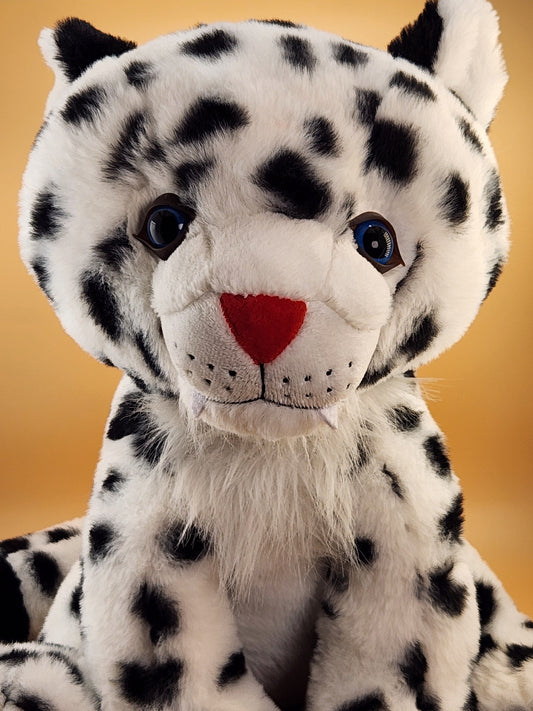
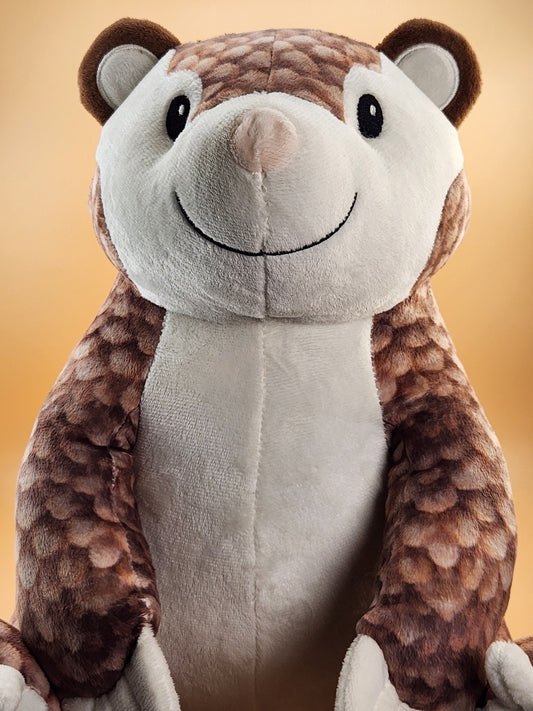
Paulie the pangolin cannot explain why the forest path he used last year now ends at a cleared field. Tashi the snow leopard cannot tell us why fewer prey animals climb the mountain each winter. Yet their stories point to the same truth. An endangered animal is a species at serious risk of disappearing because the conditions it needs to live, eat, raise young, and stay safe are breaking down.

For many parents and teachers, the scale can feel hard to hold in your mind. One animal matters. A whole web of animals, plants, water, shelter, and seasons matters even more. Wildlife lives in connected neighborhoods, much like a town where homes, grocery stores, roads, and schools all need to work together.
Scientists at the Natural History Museum explain that current extinction rates are estimated to be much higher than natural background rates. That does not mean every species is doomed. It does mean human-caused change is happening so quickly that many animals cannot adjust in time, especially when several threats hit at once.
That last part often causes confusion.
A forest can shrink because of logging or farming. Once the forest is smaller, animals are easier to find and trap. If warmer temperatures also shift rainfall or spread disease, the pressure grows again. The causes of endangerment are linked, and that is why this topic deserves more than a simple list.
Why this matters to children
Children often understand fairness before they understand ecology. If a bird loses its nest because a tree was cut down, they know something is wrong. That instinct is a strong place to begin.
From there, adults can help children build a deeper picture. A wetland is not just a pretty place. It works like a nursery, pantry, hiding place, and travel route at the same time. When one part is damaged, many animals feel the change.
Healthy ecosystems are homes, nurseries, dining rooms, and migration routes all at once.
This way of learning can lead to hope instead of helplessness. When children see animals as neighbors, they are more ready to care for the places those neighbors need. For families who want a gentle next step, this guide on why wildlife conservation matters offers helpful context for conversations at home and in the classroom.
The Seven Biggest Threats to Our Planet's Wildlife
When adults ask what causes animals to be endangered, they often expect one answer. In reality, wildlife usually faces several pressures at the same time. A forest may be cut back, a road may split what remains, hunters may gain easier access, and a warming climate may make disease spread farther.
That's why a simple list isn't enough. These threats often overlap and reinforce one another.

Major causes at a glance
| Threat | Simple Explanation | Example Animal Affected |
|---|---|---|
| Habitat loss | Natural spaces are cleared or damaged for farming, roads, logging, or buildings. | Orangutan |
| Poaching and illegal trade | People capture or kill animals because someone will pay for them or their body parts. | Pangolin |
| Climate change | Temperatures, rainfall, and seasons shift faster than many species can cope with. | Snow leopard |
| Pollution | Plastics, chemicals, smoke, and contaminated water make survival harder. | Sea turtle |
| Invasive species | New plants, animals, or microbes enter an ecosystem and upset the balance. | Island birds |
| Disease | Illness can spread quickly through stressed or isolated wildlife populations. | Hawaiian honeycreeper |
| Human wildlife conflict | Animals and people compete for space, crops, livestock, or safety. | Elephant |
Why seven threats still aren't seven separate boxes
A child can think of wildlife threats like problems in a school community. If the cafeteria closes, students go hungry. If the playground shrinks, conflict rises. If illness spreads at the same time, everyone is hit harder. Nature works in a similar way.
Some causes are direct, like poaching. Others are indirect, like habitat fragmentation, which makes it harder for animals to find food or mates. Still others act like amplifiers. Climate change often makes an existing problem more dangerous, rather than acting alone.
Classroom shortcut: A good way to teach this is to ask, “What does this animal need every day?” Then match each threat to one lost need: food, water, space, safety, or health.
This broader view helps children move past the idea that endangered animals are merely “rare.” They are often under pressure from connected changes happening all around them.
Habitat Loss The Vanishing Home
A child usually understands this problem fastest through home. If your house lost its roof, then its walls, then the road to the grocery store, daily life would unravel even before the house disappeared completely. Wildlife faces that kind of loss every day.
Habitat loss is one of the main reasons animals become endangered because a habitat is more than a spot on a map. It is food, water, shelter, space to move, and safe places to raise young. Once those pieces start breaking apart, many other threats get stronger too. Animals squeezed into smaller spaces are easier to disturb, easier to hunt, and more likely to come into conflict with people.
Three related words matter here, and they are easy to mix up.
- Destruction means the home is removed. A forest becomes cropland. A wetland becomes a parking lot. A grassland becomes a neighborhood.
- Fragmentation means the home is chopped into pieces. A road, fence, pipeline, or field can split one large habitat into many small patches.
- Degradation means the home is still there, but it works poorly. Water may be polluted, native plants may be gone, or shade and nesting sites may be harder to find.
Encyclopaedia Britannica explains that habitat destruction and fragmentation are leading human causes of species endangerment, alongside pressures such as introduced species and global warming. You can read more in Britannica's overview of endangered species and the human pressures behind them.
Small patches rarely solve the problem. A green square on a map may look fine to us, but an animal needs a neighborhood, not a postage stamp. It may need one area to feed, another to hide, and safe paths between them.
Tashi the Snow Leopard helps make this clear for children. A snow leopard does not only need “mountains.” Tashi needs enough connected mountain habitat to find prey, avoid people, and meet another snow leopard. If roads, mining, or development cut that habitat into isolated pieces, survival gets harder even if some mountain land still remains.
The same pattern shows up in tropical forests. Orangutans can cling to scattered trees for a time, but disconnected patches often do not provide enough food, nesting sites, or safe movement. Families may see trees and assume the forest is still there. For wildlife, the living system that made those trees useful may already be damaged.
A habitat is an animal's whole daily routine made possible.
This is also why habitat loss is so connected to the other threats in this article. Once animals are crowded into smaller areas, disease can spread more easily, conflict with people can rise, and illegal hunting can become simpler and more profitable. One broken part puts pressure on the others.
Families can answer that with something hopeful and concrete. Children who help plant native flowers, add a shallow water source, or leave part of a yard a little wild begin to see habitat as a living support system. Our guide to creating a wildlife-friendly garden at home or school offers simple ways to build that understanding close to home.
Overexploitation and Poaching When Demand Becomes Deadly
Some threats damage an animal's home. Others remove the animal directly. That's the danger of overexploitation, when people take wildlife faster than populations can recover, and poaching, when animals are illegally hunted, trapped, or trafficked.
Tuna offer a simple example of overexploitation. If too many fish are taken too quickly, the population can't replace itself. Pangolins show the poaching side of the problem. Paulie the Pangolin makes a useful teaching character because children quickly understand the injustice. An animal that curls into a ball for safety can't defend itself against human demand.
The hidden feedback loop
Many articles treat habitat loss and poaching as separate problems. They often aren't. As habitat shrinks, animals are pushed into smaller areas. That can make them easier to find.
The pattern is especially troubling because as habitat is destroyed, animals become more concentrated and accessible, making them more valuable targets for the black market. The same source notes that as an animal becomes rarer due to habitat loss, it can become more targeted and more valuable in illegal trade.
That creates a cruel inversion. The very process that makes an animal scarcer can also make it more profitable to hunt.
Why rarity can increase danger
Adults sometimes assume rarity protects wildlife because laws become stricter or public concern grows. Sometimes that happens. But rarity can also attract collectors, traffickers, and buyers who want what few others can get.
A family can explain this to children with a familiar comparison. If one special toy becomes very hard to find, some people will want it more, not less. With wildlife, that mindset becomes deadly.
- Smaller habitat means animals are easier to locate.
- Smaller populations can make each individual seem more valuable to traffickers.
- Higher value can motivate more illegal capture or killing.
- More removal pushes the species even closer to collapse.
The question isn't only “Who is hunting the animal?” It's also “What system is making that hunting profitable?”
What to watch for as a consumer
Families can reduce pressure on wildlife by being careful about exotic pet trends, animal products with unclear origins, and souvenirs made from wild species. Schools can build media literacy too. If a child sees an unusual animal featured as a status symbol, that's a chance to talk about how demand shapes harm.
Invasive Species and Disease Unwelcome Intruders
A balanced ecosystem works a bit like a classroom where everyone knows the routine. Food sources, nesting places, predators, and prey have adjusted to one another over long periods. When a new species arrives suddenly, that balance can break.
Sometimes the newcomer eats native wildlife. Sometimes it outcompetes local animals for food or nesting space. Sometimes it carries germs that native species have never faced before.
When the new arrival changes everything
A simple teaching analogy helps here. A new child joins a class, grabs everyone's lunch, takes over the reading corner, and brings a virus no one has immunity to. That's close to what invasive species can do in nature.
The problem is especially severe on islands, where many species evolved in isolation. According to the National Academies resource, the introduction of nonnative species, including pathogens like avian malaria, acts as a critical driver of endangerment. It also notes that avian malaria has driven major bird extinctions in island ecosystems where native birds had no adaptive resistance.
How harm happens
Different invaders cause different kinds of damage.
| Type of intruder | What it does | Plain example |
|---|---|---|
| Predator | Hunts native species that didn't evolve defenses | Rats eating eggs on islands |
| Competitor | Uses food or nesting space native species need | Introduced plants crowding out native food sources |
| Pathogen | Spreads disease through a population with little resistance | Avian malaria in native birds |
Low genetic diversity can make disease more dangerous too. If a population is already small and closely related, a single outbreak can hit many animals hard at once.
Some wildlife doesn't lose because it's weak. It loses because the rules changed too fast.
A real classroom story
Hawaii's honeycreepers are one of the clearest examples. These birds evolved without exposure to certain mosquito-borne diseases. When avian malaria entered their world, it wasn't a routine illness. It became a severe threat.
That story helps children see that “nature” isn't always able to bounce back on its own after a human-caused introduction. Prevention matters. Biosecurity matters. Careful choices about moving plants, animals, and materials matter too.
Climate Change and Pollution A World Out of Balance
Climate change and pollution are often taught as separate topics. Wildlife doesn't experience them separately. An animal faces them together, in the same body, in the same place, at the same time.
Tashi the Snow Leopard offers a child-friendly example. If mountain conditions shift, prey may move, snow patterns may change, and human activity may expand into newly usable areas. Add pollution in water or soil nearby, and stress rises again. One pressure rarely arrives alone.

Climate change as a force multiplier
The most helpful way to explain climate change in this context is as a force multiplier. It doesn't just add one more problem. It can make existing problems worse.
Research from the University of Georgia explains that a disease with minimal impact on a healthy animal can trigger extinction when coupled with environmental stressors. The same piece gives a vivid example from Hawaii, where warming conditions are expanding the range of avian malaria and turning a localized threat into a population-wide collapse.
That idea clears up a common point of confusion. Climate change isn't only about heat. It's about shifting conditions that reshape where diseases spread, where food grows, and where animals can safely live.
Pollution weakens survival in quieter ways
Pollution can be dramatic, like an oil spill, but it's often quieter than that. Plastic waste can be mistaken for food. Contaminated water can affect fish, amphibians, and the animals that eat them. Air pollution can alter plant communities and water systems in ways that ripple outward.
For children, one of the clearest ways to explain pollution is this: if the kitchen, bedroom, and playground were all dirty at once, daily life would get harder even before anyone got sick. Wildlife experiences that same buildup.
- Plastic waste can entangle animals or be swallowed.
- Water contamination can poison aquatic habitats.
- Air pollution can damage ecosystems over time.
- Toxins in food chains can move from smaller animals into larger ones.
Climate change shifts the map. Pollution lowers the odds of coping with the shift.
The big lesson is connection. What causes animals to be endangered often isn't a single dramatic event. It's a stack of pressures that keeps growing until ordinary survival becomes too difficult.
From Awareness to Action How Your Family Can Help
Concern matters, but action teaches children that care has weight. Families don't need to solve every conservation problem at once. They need reachable habits that connect everyday choices to wildlife protection.

Start with the choices closest to home
Small actions work best when children can repeat them and understand why they matter.
- Choose less disposable plastic: Reusable bottles, lunch containers, and shopping bags reduce waste that can end up in habitats.
- Buy thoughtfully: Skip products, pets, or souvenirs linked to wild animal exploitation or unclear sourcing.
- Plant native species: Native flowers, shrubs, and trees support local insects, birds, and other wildlife better than many ornamental choices.
- Make learning visible: Keep field guides, maps, or species cards where children can revisit them often.
A school can do the same on a larger scale. Pollinator corners, bird-safe window practices, and litter cleanups turn concern into direct stewardship.
Build empathy through routine
Children learn best through repetition. A single documentary can spark interest, but regular habits shape values. Reading about one species each week, tracking backyard birds, or drawing food webs after a nature walk gives children a way to notice wildlife as part of ordinary life.
This guide on ways to support organizations protecting endangered species can help families choose practical next steps.
A helpful family rule: Pick one action that reduces harm, one action that helps local habitat, and one action that builds knowledge.
A class might reduce litter, plant native flowers, and follow the migration of a bird species. A family might avoid wildlife-trade products, create a small pollinator patch, and read one animal story at bedtime each week.
Use stories and media well
Children often understand conservation best through named animals and concrete stories. Paulie the Pangolin can open a conversation about illegal trade. Tashi the Snow Leopard can help explain habitat pressure in mountain regions. Wayne the Whooping Crane can lead into migration and wetlands.
Later, a short video can deepen that connection:
The hopeful truth is simple. Wildlife decline is serious, but children don't need only bad news. They need truthful stories, clear examples, and proof that people can still protect the living world around them.
Snugglebug turns that kind of learning into something children can hold. Each plush is modeled after a real endangered animal, includes educational materials for families, and supports conservation work through the brand's giving model. For parents, teachers, and gift buyers looking for a meaningful way to nurture empathy and wildlife awareness, Snugglebug offers a thoughtful place to start.