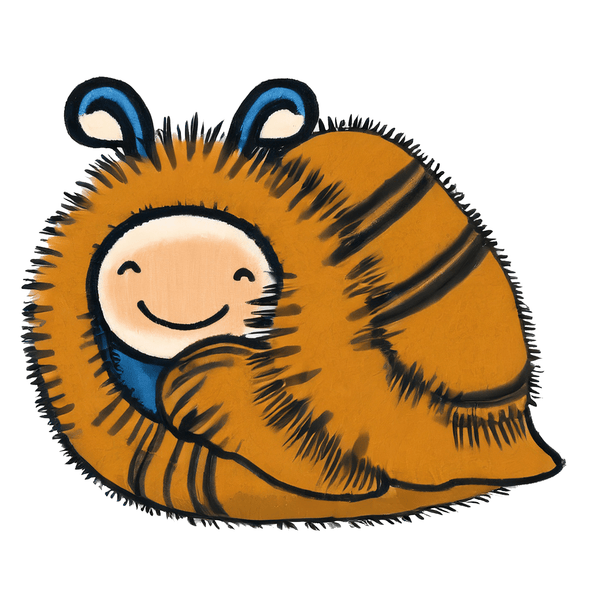

8 Funny Stuffed Animal Names to Spark Joy in 2026
From Fluffy to Friend: The Magic in a Funny Name
That special moment when a child receives a new stuffed animal often starts the same way. The toy gets hugged, turned over, tucked under an arm, and then comes the question that gives it a real personality. What's its name?
A funny name does more than earn a laugh. It helps a child build a bond, invent stories, and notice details about the animal itself. That matters because plush toys often stay with people for years. In a study of 267 upper school students, 98% said they still own a stuffed animal, which shows how lasting these connections can be (Archer Oracle on stuffed animals and mental health).
That staying power gives naming extra meaning. A silly title like “Scale-y Snuggles McFluff” or “Masked Marvel Muncher” can turn bedtime play into a first conversation about habitats, animal behavior, and kindness toward living creatures. It can also support emotional learning. Research found that students who hugged a teddy bear while watching emotional videos showed significantly increased empathy and compassion compared with a control group (research on stuffed toys and perceived warmth).
This guide gets straight to the fun part. It offers funny stuffed animal names with built-in story value, especially for endangered species plushies from the Snugglebug line, so playtime can spark both joy and care for the natural world.
Table of Contents
- 1. Paulie the Pangolin – Scale-y Snuggles McFluff
- 2. Tashi the Snow Leopard – Whisker-Whirl Wonder
- 3. Ruby the Red Panda – Masked Marvel Muncher
- 4. Wayne the Whooping Crane – Sky-Dancing Stilts Legend
- 5. Aria the Arctic Fox – Frost-Fur Arctic Giggler
- 6. Zara the Zebra – Stripe-Tastic Herd Heart
- 7. Kavi the Koala – Eucalyptus Expert Sleepy Sage
- 8. Ollie the Orangutan – Jungle Genius Gentle Giant
- Comparison of 8 Funny Stuffed Animal Names
- More Than a Name A Legacy of Care
1. Paulie the Pangolin – Scale-y Snuggles McFluff

“Scale-y Snuggles McFluff” works because it leans into a delightful contradiction. A pangolin is known for scales, yet a plush pangolin is made for cuddles. Children instantly understand the joke. The name sounds armored and soft at the same time, which makes it memorable.
This is one of the strongest funny stuffed animal names for a species plush because it keeps the original animal at the center. Instead of giving Paulie a random silly label, the humor grows from what makes a pangolin unique. That small shift helps children connect laughter with observation.
Why this name works
A parent handing Paulie to a 5-year-old might say, “This is Scale-y Snuggles McFluff because he looks scaly but feels super soft.” That simple line often leads to a useful next question. Why does a pangolin have scales?
That question opens the door to gentle wildlife learning. Snugglebug's pangolin facts for kids gives families a natural next step when curiosity appears during play.
Practical rule: The best species-based joke name should highlight one real trait children can see or imagine right away.
How adults can use it
In a classroom, an educator can place Paulie in a reading corner and invite children to give him a daily “pangolin mission.” One child might wrap him in a blanket cave. Another might draw “protective scales” on paper. The name keeps the activity playful while the animal stays recognizable.
A gift buyer can also build a full mini-story around the name:
- Gift tag idea: “To the official caretaker of Scale-y Snuggles McFluff.”
- Bedtime prompt: “Where did Paulie curl up today?”
- Conservation bridge: Pair the plush with Snugglebug's educational card and a simple talk about why some animals need extra protection.
Industry naming guides also show how common title-heavy and silly structures have become. Lists with hundreds of options, including examples like “Sir Hugs-a-Lot” and “Mr. Fluffernutter,” have become a standard part of plush naming culture (GoodLifeBean's funny stuffed animal names list). “Scale-y Snuggles McFluff” fits that playful tradition, but gives it a more meaningful, species-specific twist.
2. Tashi the Snow Leopard – Whisker-Whirl Wonder
“Whisker-Whirl Wonder” sounds airy, quick, and a little magical. That makes it a smart match for Tashi the Snow Leopard, a plush based on an animal children often imagine as silent and mysterious. The rhythm of the name helps, too. It almost spins off the tongue.
Many generic naming lists stop at cute labels like “Waffles” or “Sir Snuggles.” The problem is that those names could fit almost anything. For species plushies, a better name reflects the animal's look, movement, or habitat.
A name built for movement
“Whisker” points children to Tashi's face. “Whirl” suggests turning, leaping, and agile motion. “Wonder” keeps the tone respectful and warm. Together, the name turns one plush into the beginning of a mountain story.
A parent can use that story during play. Tashi can leap from cushion to cushion across an “icy cliff trail” in the living room. The adult doesn't need a formal lesson. A line as simple as “Whisker-Whirl Wonder is built for mountain jumps” is enough to tie pretend play to the animal.
Warmies, a major plush brand, also shows how often funny names rely on titles, playful sounds, and bold personalities. Its naming tool even encourages combinations like “Dr. Cuddlestein,” showing how title-based humor has become a common naming strategy in plush culture (Warmies stuffed animal name generator).
A simple classroom example
An educator using Tashi in a geography or wildlife unit could ask children to sort action words that fit the name. Good choices might include “leap,” “turn,” “balance,” and “prowl.” That keeps the activity physical and language-rich.
Snow leopard names work best when they sound light on the tongue. The animal's power is real, but its movement should still feel graceful in a child's imagination.
For families who want to add a factual layer, Snugglebug's snow leopard facts for kids gives useful context without overwhelming younger children. The name then becomes more than a joke. It becomes a memory hook.
3. Ruby the Red Panda – Masked Marvel Muncher
Some funny stuffed animal names work because they sound mischievous. “Masked Marvel Muncher” does exactly that. It gives Ruby the Red Panda the energy of a tiny snack-loving superhero.
The alliteration helps children remember it. The “masked” part points to the red panda's face markings, while “muncher” invites food-based play. That makes the name especially useful for younger children who naturally connect with routines like snack time, lunch, and pretend cooking.
A snack-loving story hook
Ruby can become the plush that always asks, “What's on the menu?” At home, a parent might set up a “Muncher's Menu” drawing activity. A child can pick pretend foods for Ruby, then compare those to what real red pandas eat.
That's where a species-specific name does more work than a generic one. It creates a reason to notice diet, habitat, and survival. Snugglebug's fun facts about red pandas can support that conversation in simple, kid-friendly language.
Ways to turn the joke into learning
Preschool teachers can use Ruby during circle time and ask children to sort foods into “people snacks” and “red panda snacks.” A family can place Ruby near the kitchen and let her “supervise” fruit slicing or lunch packing. The name keeps the mood light while making learning sticky.
A few strong uses stand out:
- Snack table storytelling: Let Ruby “choose” a bamboo-themed pretend snack first.
- Art prompt: Invite children to draw Ruby's superhero mask and favorite forest foods.
- Conservation link: Talk about how animals need healthy places to find food.
There's a real gap in many naming guides here. A 2025 Parenting Trends Survey found that 68% of parents struggle to name plushies in ways that reflect the animal's real-world identity, especially when education is part of the goal (NYU Shibboleth on funny names for stuffed animals). “Masked Marvel Muncher” answers that challenge well because the joke comes directly from the species.
4. Wayne the Whooping Crane – Sky-Dancing Stilts Legend
A child sets Wayne on the floor, stretches up tall, and starts tiptoeing across the room like a bird in a spring dance. That small joke does more than get a laugh. It gives the plush a story, and story helps children remember what kind of animal they are holding.
“Sky-Dancing Stilts Legend” works because each part points to something real about a whooping crane. “Sky-Dancing” suggests movement, courtship, and migration. “Stilts” turns the crane's long legs into a visual gag a child can spot right away. “Legend” adds a little grandeur, which fits an endangered bird that has become a symbol of recovery and care.
Wayne feels different from a generic silly name. He sounds like a character with a job to do. In the Snugglebug line, that matters. A story-rich name can open the door to a bigger conversation about wetlands, bird travel, and why some species need protection.
Why this name stays with children
Children remember what they can act out. Wayne invites big steps, wing flaps, bows, and slow, careful balancing. That kind of movement play works like a memory hook. The body learns alongside the brain.
Adults can also use Wayne to introduce migration in a concrete way. Tape paper “wetlands” across the floor and let children carry Wayne from stop to stop. The U.S. Fish and Wildlife Service notes that the Aransas-Wood Buffalo Population migrates about 2,500 miles between nesting and wintering grounds, which helps explain why safe resting places matter so much for this species.
That fact gives the name more depth. Wayne is not just tall and funny. He represents a real bird making a long, demanding journey.
Play ideas that turn humor into care
A family can create a “crane crossing” game with pillows, blue paper, or towels as pretend marshes. A teacher can use Wayne during a lesson on habitats and ask, “Where would a long-legged bird want to stop and rest?” Questions like that help children connect the plush to the needs of the animal.
A few activities work especially well:
- Migration map walk: Mark out stopping points and let Wayne travel from wetland to wetland.
- Balance challenge: Invite children to stand on one foot like a crane, then talk about long legs and shallow water.
- Recovery conversation: Explain that people have worked hard to protect whooping cranes, their nesting areas, and their migration routes.
This is the true strength of a funny endangered-species plush name. It starts with play, then grows into empathy. A child laughs at Wayne's “stilts,” asks why cranes are so tall, and ends up learning that wildlife conservation is really about helping animals keep the homes and pathways they need to survive.
5. Aria the Arctic Fox – Frost-Fur Arctic Giggler

“Frost-Fur Arctic Giggler” brings together softness and surprise. Most children expect an arctic fox to sound quiet, sly, or serious. “Giggler” flips that expectation in a fun way, which is part of why the name lands so well.
Aria is a graceful first name, and it pairs nicely with the playful title. The result sounds whimsical without losing the animal's cold-weather identity.
Soft, funny, and a little surprising
This name works best when adults lean into sound. A parent might say, “Aria isn't just fluffy. She's the Frost-Fur Arctic Giggler because she has silly little winter sounds.” That kind of line instantly makes the plush feel alive.
The humor also helps with climate learning. Arctic topics can feel abstract to young children. A warm, silly fox with a giggly name makes the setting more approachable.
A winter learning moment
At home, Aria can join a “snow pattern” game made from white towels, cotton balls, or paper. A child can move the plush around the room and decide where she'd hide, rest, or listen for movement under the snow. The name keeps the fox playful while the activity introduces adaptation.
Schools can use Aria during winter units or discussions about changing habitats. A simple art extension works well:
- Texture play: Compare soft fabric, faux fur, and smooth paper to talk about insulation.
- Sound game: Let children invent what a “fox giggle” might sound like.
- Season story: Ask where Aria would go when the world around her changes.
The global stuffed animal and plush toys market was valued at USD 13.79 billion in 2025 and is projected to reach USD 30.86 billion by 2035, growing at a CAGR of 8.39% (SNS Insider stuffed animals and plush toys market report). Growth like that suggests families are still choosing plush toys as meaningful companions. Names like “Frost-Fur Arctic Giggler” help explain why. A good plush becomes both comfort object and conversation starter.
6. Zara the Zebra – Stripe-Tastic Herd Heart
“Stripe-Tastic Herd Heart” has a cheerful bounce to it. It feels social, bright, and full of motion. That makes it a strong fit for Zara the Zebra, especially because zebra stories naturally connect to belonging, cooperation, and identity.
The best part of this name is the contrast between its two halves. “Stripe-Tastic” is loud and funny. “Herd Heart” is gentler and more emotional. Together they suggest a lively animal who also cares about staying close to others.
Humor with a friendship theme
Parents can use Zara to talk about friendships in a way children understand. If Zara likes staying near her herd, that can connect to staying with family at the park, helping classmates, or checking on a friend who feels left out.
That makes this one of the most flexible funny stuffed animal names in the list. It fits pretend play, social-emotional learning, and wildlife themes at the same time.
A simple home example works well. A child lines up several Snugglebug plushies and declares them Zara's herd. Then the adult asks, “How does Herd Heart help everyone stay together?” The answer might be “by waiting,” “by looking around,” or “by making room.” Those are strong lessons disguised as play.
Easy family and school uses
This name shines in group settings because zebras are easy to draw, pattern, sort, and compare. An educator can make paper stripe bands and let children create a unique pattern for each “herd member.” That supports the idea that individuals can look different and still belong together.
Names that point to social behavior often work especially well for classrooms. They help children practice empathy while learning about the animal.
A few practical uses stand out:
- Community circle: Let Zara “welcome” each child into the herd at the start of the day.
- Pattern station: Design zebra stripes with crayons, tape, or black paper strips.
- Belonging talk: Use Herd Heart as a phrase for kindness, teamwork, and inclusion.
This style also follows a broader naming trend. Large naming guides often separate “silly” names from more classic ones, showing that families like both categories for different moods and ages. “Stripe-Tastic Herd Heart” bridges the two by sounding funny and meaningful at once.
7. Kavi the Koala – Eucalyptus Expert Sleepy Sage

“Eucalyptus Expert Sleepy Sage” carries a calm, cozy kind of humor. It doesn't aim for a big laugh. Instead, it gives Kavi the Koala a wise, drowsy personality that many children find comforting right away.
That makes this name especially good for quiet settings. Bedtime. Rest corners. Reading nooks. Therapy rooms. The joke is gentle enough to soothe, but specific enough to spark questions.
A calm joke with real substance
“Sleepy Sage” works because it respects the koala's stillness instead of turning it into laziness. “Eucalyptus Expert” adds a funny note of authority, like Kavi is a very serious leaf specialist.
A caregiver can build a lovely routine around that. Before bed, a child might place Kavi near a pillow and say, “The Eucalyptus Expert says it's time to rest wisely.” The phrase becomes part of the rhythm of winding down.
There's support for using plush toys in learning and care settings, too. In a post-surgical stuffed animal sleepover program, researchers observed a marked increase in the number of children who read to their stuffed animals after participation, compared with baseline levels (ICJS on the positives of plushies). That's a useful reminder that comfort objects can also encourage literacy.
Comfort-based ways to use the name
Kavi works beautifully in low-pressure reading time. A child can “teach” the Sleepy Sage one new word before bed. A teacher can place Kavi in a calming corner with nature books and soft textures.
Helpful ideas include:
- Rest ritual: Let Kavi signal the transition from active play to quiet time.
- Food-web prompt: Explain that koalas eat a very specific kind of food, which makes them special.
- Reading buddy use: Invite children to read one short page aloud to the Sleepy Sage.
This name also expands the idea of what funny stuffed animal names can do. They don't all need to be loud or zany. Some of the best ones make children smile softly and settle in.
8. Ollie the Orangutan – Jungle Genius Gentle Giant
“Jungle Genius Gentle Giant” has the feel of a storybook title. It sounds noble, warm, and a little funny because of its big, dramatic rhythm. For Ollie the Orangutan, that works well. Orangutans often inspire curiosity that feels more reflective than silly.
This name is a strong choice for older children who still love plush toys but want names with a bit more depth. It also works well for schools, family nonprofits, and gift buyers who want a plush with clear educational value.
A name that respects intelligence
“Jungle Genius” frames Ollie as a thinker. “Gentle Giant” balances that with kindness. The result invites empathy instead of fear, which matters when children are learning about large wild animals.
That emotional connection matters because plush bonds can support durable care and compassion. The same study cited earlier found that nearly all surveyed upper school students still kept a stuffed animal, showing that plush companions can remain emotionally significant over time. Ollie fits that long-lasting role especially well because the name grows with the child.
A school can use Ollie during a rainforest lesson and ask students to solve “jungle genius challenges” such as building a safe nest from classroom materials or sorting objects by use. The plush becomes a bridge between imagination and observation.
Conversation starters for older kids
This name supports bigger ideas without sounding heavy. A parent can say, “If Ollie is a Jungle Genius, what does he need to stay safe in a real jungle?” That one question can lead to forest habitats, food sources, and respectful stewardship.
A few practical examples:
- Problem-solving game: Give Ollie a small everyday challenge, like reaching a toy across a gap, and let children invent tools.
- Rainforest corner: Pair the plush with leaves, maps, and books about forest animals.
- Values conversation: Use “Gentle Giant” to talk about strength paired with kindness.
Some names invite a child to laugh. Others invite a child to care more deeply. The strongest names often do both.
Comparison of 8 Funny Stuffed Animal Names
| Name | Implementation Complexity 🔄 | Resource Requirements ⚡ | Expected Outcomes 📊 | Ideal Use Cases 💡 | Key Advantages ⭐ |
|---|---|---|---|---|---|
| Paulie the Pangolin, "Scale-y Snuggles McFluff" | Low–Moderate: simple playful copy with care to balance humor and conservation | Low: packaging card, social posts, basic educational insert | High shareability; increased curiosity about pangolin conservation | Parents (4–8), gift buyers, elementary classrooms | Memorable, approachable way to introduce obscure endangered species |
| Tashi the Snow Leopard, "Whisker-Whirl Wonder" | Moderate: needs motion-focused storytelling to justify "whirl" concept | Moderate: slow‑motion video, themed classroom packs, curriculum tie‑ins | Strong emotional engagement; inspires wonder about mountain ecosystems | Educators, adventure‑themed gifts, families learning about high‑altitude wildlife | Distinctive branding; alliteration aids recall and educational tie‑ins |
| Ruby the Red Panda, "Masked Marvel Muncher" | Low: playful, behavior-based messaging for young kids | Low: activity sheets, simple social content, educational card | High engagement with preschoolers; fosters empathy via relatable behavior | Preschools, parents of 3–7, daycare centers | Highly relatable to young children; opens conversations about diet and habitat |
| Wayne the Whooping Crane, "Sky-Dancing Stilts Legend" | Moderate–High: requires choreography and migration storytelling | Moderate: video content, downloadable activities, conservation partnerships | Deep educational impact; fosters interest in migration and species recovery | Nature centers, birding families, educators teaching migration | Encourages active play and links to recovery/conservation narratives |
| Aria the Arctic Fox, "Frost-Fur Arctic Giggler" | Moderate: needs audio/AV to convey vocalization element and climate context | Moderate: authentic audio clips, climate education resources, social media push | Raises climate awareness; strong viral potential with audio hooks | Climate educators, Arctic‑focused families, social campaigns | Novel audio hook; clear sentinel‑species connection to climate change |
| Zara the Zebra, "Stripe-Tastic Herd Heart" | Low–Moderate: SEL framing and activities to connect stripes to belonging | Low: activity packs, bundling options, conservation facts | Promotes social‑emotional learning and discussion of savanna health | SEL-focused parents, educators, gift buyers | Teaches belonging/uniqueness; visually distinctive and versatile for bundles |
| Kavi the Koala, "Eucalyptus Expert Sleepy Sage" | Moderate: therapeutic positioning and biological explanation required | Moderate–High: calming content, hospital/therapy partnerships, edu materials | Comfort and therapeutic benefits; educates about diet and habitat threats | Pediatric therapy, anxious children, educators, hospitals | Soothing brand fit; opens conversations about specialized adaptations and habitat loss |
| Ollie the Orangutan, "Jungle Genius Gentle Giant" | High: needs sophisticated, age‑appropriate storytelling and partnerships | High: sanctuary partnerships, advanced curriculum, multimedia resources | Deep empathy and advocacy; motivates older children toward conservation action | Educators, families with 8+, conservation‑minded gift buyers | Strong emotional bridge via intelligence; connects to complex rainforest and social issues |
More Than a Name A Legacy of Care
Choosing a funny, memorable name for a stuffed animal is the beginning of a bigger story. It gives the plush a voice, a role, and a place in a child's everyday life. A named toy gets invited to tea parties, tucked in at bedtime, brought to the doctor's office, and included in school projects. That's how a simple object becomes a companion.
Funny stuffed animal names matter because they make connection easier. A child may not start with a formal interest in pangolins, snow leopards, or orangutans. But that same child may care a lot about Scale-y Snuggles McFluff, Whisker-Whirl Wonder, or Jungle Genius Gentle Giant. Once affection appears, curiosity often follows.
That link between play and learning is worth protecting. Humorous names create a low-pressure entry point into topics that can otherwise feel distant. “Masked Marvel Muncher” invites questions about food and forests. “Sky-Dancing Stilts Legend” makes bird migration feel lively. “Eucalyptus Expert Sleepy Sage” helps children connect rest, routine, and specialized animal behavior.
They also support social and emotional growth. A plush with a strong personality gives children a safe way to practice empathy. A child comforts the toy, speaks for it, and imagines what it needs. That kind of role-play can build tenderness and perspective-taking in a way that feels natural, not forced.
For parents and caregivers, the most effective naming approach is often the simplest. Start with one visible trait. Add one playful twist. Then give the name a tiny story. A striped animal might become “Stripe-Tastic Herd Heart.” A snowy mountain cat might become “Whisker-Whirl Wonder.” A soft fox with winter energy might become “Frost-Fur Arctic Giggler.” The name should sound like the toy belongs to itself, not just to a list of random puns.
For educators, these names can do double duty. They make classroom materials more engaging, and they help children remember the animal behind the plush. That's especially helpful in wildlife education, where emotional connection can make facts more meaningful. A name with a built-in species clue gives children something sturdy to hold onto.
For conservation-minded gift buyers, story-rich names add purpose. They turn a gift into a conversation starter. They make it easier to ask better questions. What does this animal eat? Where does it live? Why does it need protection? What can people do to help?
That's the lasting value of a well-named plush. It doesn't just spark joy in the moment. It keeps opening doors. One laugh can lead to one question. One question can lead to one new act of care. Over time, that's how funny names become part of a legacy of empathy, learning, and respect for the living world.
Snugglebug turns that kind of play into something lasting. Families, educators, and thoughtful gift buyers can explore Snugglebug's endangered species plush collection to find soft companions like Paulie the Pangolin, Tashi the Snow Leopard, Ruby the Red Panda, and Wayne the Whooping Crane, each designed to spark curiosity, encourage empathy, and support wildlife conservation through every hug.
Related Posts
-
Stuffed Animal Names: Why They Matter & How to Choose the Perfect One
From boosting memory and language skills to fostering creativity and emotional expression, naming a stuffed animal can have a profound impact.
-
Good Names to Name a Teddy Bear: A Complete Guide
Looking for good names to name a teddy bear? Our guide offers hundreds of ideas, from cute and classic to adventurous, plus tips on choosing the perfect name.
-
Snow Leopard Stuffed Animal: A Buyer's & Gifting Guide
Find the perfect snow leopard stuffed animal with our guide. Learn to choose a safe, high-quality plush and discover its power for education and conservation.
-
7 Meaningful Gift Ideas for Every Occasion
Looking for meaningful gift ideas? Discover 7 inspiring gifts that give back, from educational toys to cause-driven subscriptions. Perfect for any budget.
