
10 Preschool Animal Activities for Purposeful Play
Morning circle has started. One child is hugging a plush red panda, another is crawling across the rug pretending to be a snow leopard, and a third is making loud crane calls while everyone else laughs. That familiar preschool moment already holds so much learning. It just needs a little direction.
Animal play has long been a staple in early childhood classrooms. Animals are among the most common thematic units used in preschool settings globally, and teachers often use them to support counting, sorting, sound recognition, and early literacy through hands-on routines like matching animal names and sounds in resources such as the World of Animals classroom materials. Beyond the Roar: Turning Playtime into Purpose means taking that natural interest and giving it heart.
These preschool animal activities move beyond simple crafts. They connect movement, language, sensory play, science, and kindness. They also show how species-specific plush toys, including mission-driven companions from Snugglebug, can help children build empathy for real animals and the habitats they need to survive. A pangolin plush can become more than a toy. It can become a gentle introduction to protection, care, and belonging in the natural world.
Table of Contents
- 1. Animal Sound and Movement Imitation
- 2. Habitat Creation and Diorama Building
- 3. Story and Narrative Development with Plush Companions
- 4. Sensory Exploration and Tactile Discovery Bins
- 5. Sorting, Classification, and Pattern Games
- 6. Conservation and Care Role-Play Activities
- 7. Nature Walk Scavenger Hunts and Animal Observation
- 8. Comparative Anatomy and Adaptation Exploration
- 9. Music, Dance, and Rhythm Activities with Animal Themes
- 10. Gift-Giving and Social-Emotional Learning Circles
- 10 Preschool Animal Activities Comparison
- From Playroom to Planet Nurturing the Next Generation of Conservationists
1. Animal Sound and Movement Imitation
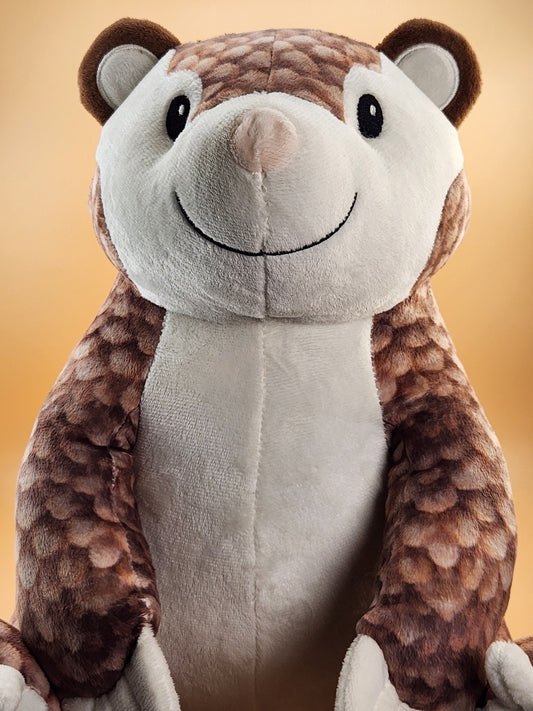
Children don't need much invitation to move like animals. Give a child Paulie the Pangolin and a bit of open floor space, and rolling, curling, and snuffling usually begin right away. That playful imitation supports body control, listening, and sound awareness all at once.
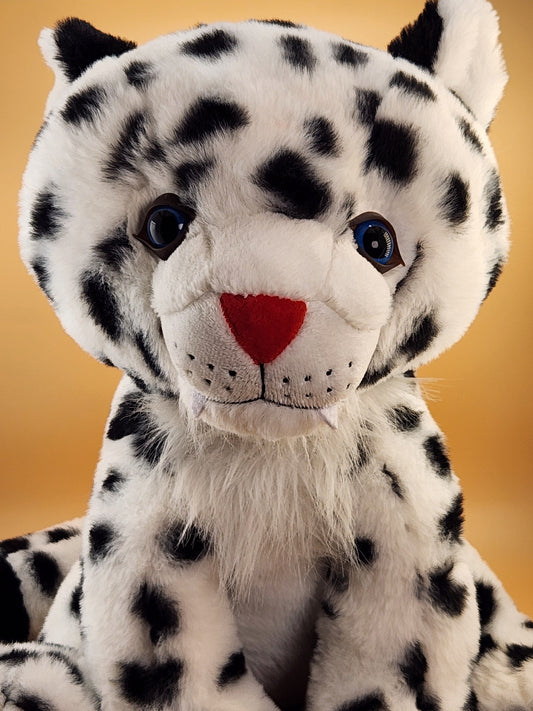
A small group can start with one plush at a time. Wayne the Whooping Crane can inspire long steps, slow wing flaps, and tall balance poses. Ruby the Red Panda can lead children into climbing motions on the spot, tiny paw steps, and soft chittering sounds. Tashi the Snow Leopard fits strong leaps, crouches, and quiet stalking across a carpet square.
Move like the animal
Begin with a short fact card or a simple spoken prompt. Then model one movement and one sound. Keep each round brief so children stay engaged.
- Paulie the Pangolin: Curl into a ball, unroll slowly, then sniff the ground.
- Tashi the Snow Leopard: Bend low, leap forward, land softly, and freeze.
- Ruby the Red Panda: Reach up high like climbing a branch, then sway side to side.
- Wayne the Whooping Crane: Stretch arms wide, take careful steps, and call out together.
Practical rule: Build in a safe zone. Some children want to watch first, hold the plush, or copy from a seated spot before joining fully.
This activity pairs well with rhythm sticks, shakers, or soft background nature audio. Teachers can also use short video clips of the children later to revisit what each animal did and how it moved. For more ideas on connecting listening with animal play, Snugglebug's guide to toys that make animal sounds offers a useful extension.
2. Habitat Creation and Diorama Building
A child sets Tashi the Snow Leopard inside a shoebox, pauses, and looks up with a serious question: “Where will she sleep?” That moment shifts the project from simple crafting into care, planning, and perspective-taking. A diorama becomes a small world the child can study, adjust, and protect.
Using an endangered species plush as the center of the activity gives children a clear reason for every choice they make. Tashi needs rocky mountain space and snow. Ruby the Red Panda needs branches, leaves, and places to climb. Paulie the Pangolin needs cover and tunnels. Wayne the Whooping Crane needs water, grasses, and open ground for careful steps.
Young children often need help seeing habitat as more than background scenery. A useful teacher question is, “What does this animal need during the day?” Another is, “What helps this animal stay safe?” Those prompts guide children toward food, shelter, movement, and protection. Habitat study works like building a bedroom for a guest. You have to notice what the guest needs before you start decorating.
Build a home with real details
Slow the process down enough for observation to lead the art. Instead of handing out materials all at once, place the plush in the center and study it together first. Look at its body. Notice the paws, beak, fur, or scales. Then ask where that body would work best.
A simple sequence keeps the activity manageable:
- Choose one animal: One plush keeps the questions focused.
- Name the habitat: Mountain, forest canopy, wetland, or underground burrow.
- Gather matching materials: Cotton, sand, bark, paper tubes, stones, fabric scraps, moss, or grass clippings.
- Build the ground first: Children understand a habitat more clearly when they start with the surface the animal stands on.
- Add shelter and food sources: A cave, branch, water area, or hiding place gives the diorama purpose.
- Place the plush last: Children can check whether the space fits the animal.
Teachers who want visual support can use classroom habitat craft examples from the National Geographic Kids animals collection at https://kids.nationalgeographic.com/animals to compare real environments, textures, and landforms before children begin building.
This short video can help children picture how habitat crafts come together in stages.
Add a simple reflection
The most meaningful part often comes after the glue dries. Ask the child to tell you one thing the animal needs and one thing that could harm its home. A preschooler might say, “Ruby needs trees,” or “Wayne needs clean water.” Those short reflections show growing understanding.
That is also where the conservation message takes root. When children make a safe place for a plush whooping crane or pangolin, they practice empathy in a form they can hold. They begin to understand that real animals need real habitats, and those habitats need people who notice, care, and protect.
3. Story and Narrative Development with Plush Companions
Some children speak most freely when a plush toy does the talking for them. That makes storytelling one of the strongest preschool animal activities for language growth and emotional expression.
A teacher can place Paulie the Pangolin in the center of the rug and begin with one simple line: Paulie is looking for a safe place to sleep. That single problem gives children a reason to imagine, predict, and respond. Another day, Tashi the Snow Leopard might be crossing a snowy mountain to help a friend. Ruby the Red Panda might need to learn how to share bamboo. Wayne the Whooping Crane might guide younger birds on a careful journey.
Start with one small problem
Open-ended prompts work better than long setup. Ask, "What happened next?" or "How did Ruby feel when she saw another animal?" Then pause. Children often add richer details when adults don't rush to fill silence.
A story circle can also help quieter children join in. One child adds the setting. Another adds a problem. A third decides who helps. A fourth gives the ending. The plush passes from hand to hand, and the narrative grows naturally.
Children often tell the truth about feelings through pretend animal stories before they can explain those same feelings directly.
Teachers can write down exact child dictation and send it home, or turn it into a class book with simple drawings. Connecting the story back to real animal behavior strengthens the learning. If Paulie hides in a burrow in the story, the group can talk briefly about why some animals need safe, quiet places.
4. Sensory Exploration and Tactile Discovery Bins
Sensory bins calm some children, wake up others, and invite nearly everyone to investigate. They also give preschool animal activities a strong bridge between play and environment.

A forest bin for Ruby the Red Panda can hold leaves, bark, seed pods, and shredded green paper. A mountain bin for Tashi can include pebbles, cool stones, and white kinetic sand. Paulie can explore soil, dry beans, and tunnel pieces. Wayne can move through blue water beads, reeds, and smooth river rocks if the materials are age-appropriate and closely supervised.
Create a habitat children can feel
One simple version comes from a "sensory habitats" setup where teachers fill a tray with sand, add desert animal toys, and invite children to explore the habitat through touch while creating stories about what the animals do in that environment, as described in these animal activities for preschoolers from CCEI. The same structure works beautifully with species-specific plush companions.
To keep the bin purposeful, add language prompts as children play.
- Texture words: Rough, smooth, wet, dry, soft, bumpy
- Action words: Dig, scoop, hide, climb, float
- Habitat words: Burrow, marsh, forest, mountain, shelter
A teacher might say, "Paulie is under the soil. What does it feel like in his home?" Or, "Ruby climbed onto bark. Is that surface smooth or scratchy?" Those questions turn sensory play into science talk.
Clean-up matters, too. A towel nearby, a tray under the bin, and a clear rule about keeping materials below the edge help children stay successful.
5. Sorting, Classification, and Pattern Games
Four plush animals on the rug can turn a simple preschool game into early scientific thinking. One child groups Ruby and Tashi because they both have fur. Another places Wayne in a water habitat circle. A third insists Paulie belongs with animals that dig. All three children are practicing the same big idea. Animals can be understood in more than one way.
That matters in preschool. Sorting helps children notice attributes, compare details, and explain their reasoning. With endangered species plush companions, it also does something deeper. It helps children see each animal as a living being with needs, traits, and a place in the natural world. That shift, from "toy" to "animal with a home," is where empathy starts to grow.
Start with visible traits, then build toward meaning
Begin with categories children can spot right away. Fur, wings, color, tail, feet. That first step works like learning to sort buttons before sorting living things by habitat or diet. Children need a concrete starting point before they can handle abstract categories.
Place hula hoops, baskets, or yarn circles on the floor. Add picture labels if needed. Then invite children to sort the plush animals, animal cards, or matching objects into groups.
You might try:
- Body covering: Fur, feathers, scales
- Habitat: Forest, mountain, wetland, underground
- How they move: Fly, climb, dig, swim, stalk
- What they eat: Plants, insects, meat
- Simple patterns: Paulie, Ruby, Paulie, Ruby
A child may place Wayne in both "wetland" and "long legs." That is sound reasoning, not a mistake. Young children are learning that categories can overlap, and that living things often fit more than one description.
Use questions that stretch thinking
The adult's role is not to rush children to the "right" answer. It is to help them explain what they notice.
Try prompts like:
- "What do you see that made you put Ruby there?"
- "Which animal would belong in two groups?"
- "How are Paulie and Tashi the same?"
- "Which group is based on where the animal lives, and which is based on its body?"
- "If this animal's habitat changed, would it stay in the same circle?"
Those questions turn a sorting game into early science language. They also open the door to conservation talk in a gentle, age-appropriate way. If an animal needs forest, water, or burrow space to belong somewhere, children begin to understand why protecting habitats matters.
For teachers who want to connect classification with dramatic play and social learning, these pretend play toys that support purposeful early learning pair well with animal sorting work.
Add patterning and simple data work
Patterning gives the activity a math layer without making it feel separate from play. Children can line up plush companions by repeating attributes such as color, habitat, or movement type. For example, one pattern might alternate an animal that climbs with one that digs. Another might use picture cards to create a forest, wetland, forest, wetland sequence.
If the group is ready, turn the final sort into a picture graph. Count how many animals live near water. Count how many have fur. Then ask, "Which group has more?" or "Which group has fewer?" The graph gives children a visual record of their thinking.
That combination is powerful. Children sort, compare, justify, and count, all while getting to know species as distinct animals worth caring about.
6. Conservation and Care Role-Play Activities
A child wraps a bandage around a plush pangolin, lowers their voice, and says, "You're safe now." That small moment carries a lot of learning. Role-play gives preschoolers a concrete way to practice kindness, responsibility, and the idea that animals need protection from real people.
A dramatic play area can become a wildlife clinic, rescue station, or habitat help center. With endangered species plush toys at the center, the play gains a clearer purpose. Children are not only pretending to care for an animal. They are rehearsing what it means to notice needs, respond gently, and treat living things as worthy of care.
Create a rescue center with a clear job for each child
Set out a sign, child-safe tools, clipboards, simple forms, and each animal's fact card. Then assign roles children can understand right away. One child can be the animal doctor. Another can be the habitat helper. Another can welcome animals and ask what happened.
That structure works like training wheels. It keeps the play from becoming random and helps children stay focused on helping.
Adults can guide the scene with questions such as, "What does this animal need to feel calm?" "Where would it rest?" and "What in its home helps it stay healthy?" Those prompts shift the activity away from fixing everything with pretend medicine and toward a fuller idea of care.
Keep conservation talk gentle and specific
Preschoolers do best with problems they can picture. "The animal needs clean water." "The animal needs trees." "The animal needs a quiet place to rest." Those ideas are easier to hold than abstract explanations about extinction or environmental systems.
Many families want learning activities to carry that deeper purpose. Mission-driven pretend play can meet that need in an age-appropriate way, especially when children care for species that are at risk. Snugglebug's model supports that connection because the company states that it donates 15% of profits to animal protection organizations. For teachers or caregivers building richer dramatic play centers, these pretend play toys that support purposeful early learning offer helpful setup ideas.
Gentle teaching move: Start with safety, shelter, water, food, and rest. Those care categories help children understand conservation as helping an animal live well, not as a distant adult issue.
Add simple routines that build empathy
Children often need a starting script. You might model one round of care first. Check the animal. Ask what happened. Decide what it needs. Help it rest. Then record the care on a picture form.
A plush snow leopard might need a cool, quiet cave. A pangolin might need a safe burrow space. A red panda might need trees and water nearby. A whooping crane might need space, calm, and wetland protection. The details matter because they connect empathy to real habitats and real species.
That is the unique strength of this kind of role-play. The plush companion becomes more than a prop. It becomes a bridge between preschool play and early conservation awareness.
7. Nature Walk Scavenger Hunts and Animal Observation
Children better understand animals when they step outside. A plush companion in hand often sharpens that connection instead of weakening it. The toy becomes a reference point. The child looks at a real patch of grass or bark and asks whether the animal could live there.

Take the plush outside
A simple scavenger hunt works best for preschoolers. Use pictures instead of text-heavy lists. The group can search for something rough like bark, something damp like mud, something tall like grass, or something quiet where an animal might hide.
Real examples help:
- For Paulie: Look for soil, logs, ant hills in the distance, or places that seem good for burrowing.
- For Tashi: Notice large rocks, hills, cold air, or shaded places that feel more mountain-like.
- For Ruby: Search for climbable trees, leafy cover, and forks in branches.
- For Wayne: Listen for bird calls and look for water, reeds, or open grassy areas.
Children can collect fallen natural materials for later habitat art, as long as the adult has set respectful limits. No pulling live plants. No disturbing nests. No chasing wildlife. Observation is the skill.
This activity can also end with a class nature journal. One child may glue in a leaf for Ruby's forest. Another may draw a puddle for Wayne's marsh. The outside world starts to feel connected to the animals they already love indoors.
8. Comparative Anatomy and Adaptation Exploration
A child places a pangolin plush beside a crane plush and quickly spots the difference. One body looks built for curling and protection. The other looks built for standing tall in shallow water. That moment is the beginning of real science thinking.
Preschoolers do not need a formal lecture on adaptation. They need something they can see, touch, compare, and talk about. Plush animals work like models in a science lab for young children. They slow the learning down enough for small details to come into focus, especially when the animals represent endangered species children may never see up close.
Start with two plush companions, such as Paulie and Wayne, and ask one clear question at a time. Which animal has longer legs? Which body looks better for climbing, swimming, or hiding? Which covering looks like it would help in cold weather? One focused question keeps the activity manageable and helps children build vocabulary without feeling lost.
Notice what body parts do
Guide children from naming a body part to explaining its job. That step matters. A tail is not only a tail. It may help with balance. Long legs are not only long. They may help an animal move through water without soaking its whole body.
You might say, "Paulie can curl into a ball to stay safer," or "Wayne's long legs help him wade where shorter animals would get too wet." Ruby's thick fur can open a conversation about warmth in forest habitats. Tashi's tail can lead to a simple idea about balance while moving across rocky ground.
A magnifying glass adds a sense of purpose, even with plush toys. So does a recording sheet with space for a sketch and a dictated sentence. One child may draw scales and say, "Paulie rolls up when he feels scared." Another may point to wings and explain, "Wayne can move through water and fly away."
Research on early childhood science learning suggests that guided, hands-on observation helps children build understanding and confidence at the same time. In a preschool classroom, that means a careful comparison activity can support language, attention, and curiosity all at once.
This kind of lesson also builds empathy. When children learn that an animal's body helps it survive in a specific place, conservation stops sounding like a big distant idea. It becomes personal. The Snugglebug plush in their hands is no longer just soft and familiar. It represents a real animal with real needs, and that is where caring begins.
Preschool children can handle words like "adaptation," "habitat," and "survival" when adults connect each word to a concrete example they can see and describe.
9. Music, Dance, and Rhythm Activities with Animal Themes
Some children show what they know best through movement and sound. Animal music play gives them another doorway into learning.
A drum can become Paulie's slow roll. Two rhythm sticks can become Wayne's long walking steps. Scarves can show Ruby climbing up and drifting down. Tashi's pattern might be crouch, leap, freeze, then prowl again. Once the teacher names the pattern, the children begin listening with their whole bodies.
Turn movement into rhythm
This works especially well with familiar tunes. A class can sing a pangolin verse to the melody of "Twinkle, Twinkle, Little Star" and add tucked-in rolling motions on key words. Another group might create a crane song with stretched vowels and wing flaps between lines.
A short routine might include:
- Call and response: Adult makes an animal rhythm, children echo it
- Movement phrase: Stomp, flap, tiptoe, curl
- Instrument match: Drum for heavy animals, bells for birds, shakers for rustling forest sounds
Recording the performance for families adds another layer of pride and memory. It also helps adults see how much language, sequencing, and self-control were built into what looked like a simple dance break.
10. Gift-Giving and Social-Emotional Learning Circles
A plush toy often carries real emotional weight for a preschooler. That makes it a powerful tool for conversations about kindness, responsibility, and generosity.
A sharing circle can begin with one prompt: "Why is this animal special?" One child might say Ruby is special because she climbs. Another might say Paulie needs protection. Another might choose Wayne because birds migrate together and families stay close. These answers tell adults what the child values.
Use plush toys to practice caring
Buddy systems work well here. One child cares for another child's plush for part of the morning, then returns it with a kind note or drawing. That small exchange helps children practice trust, gentleness, and perspective-taking.
Gift-making also fits naturally. Children can decorate simple boxes, add tissue paper, and dictate one sentence about why someone else might love that animal. A sibling gift, a class kindness exchange, or a hospital comfort donation theme can all work if handled with warmth and simplicity.
The emotional conversation can widen into conservation. Children can talk about which endangered animal they care about most and what that animal needs. The focus should stay grounded in action they can understand, such as protecting homes, being gentle with nature, and learning more. When a toy brand connects purchases to conservation giving, as Snugglebug does through its stated 15% profit donation model, that message becomes even easier for children to grasp. Caring can travel outward.
10 Preschool Animal Activities Comparison
| Activity | Implementation Complexity 🔄 | Resource Requirements ⚡ | Expected Outcomes 📊 | Ideal Use Cases ⭐ | Key Advantages 💡 |
|---|---|---|---|---|---|
| Animal Sound and Movement Imitation | 🔄 Low, minimal prep; adult facilitation recommended; needs open space | ⚡ Minimal, plush toys, optional background sounds/music | 📊 Motor skill development, phonemic awareness, expressive confidence | ⭐ Short active sessions, circle time, sensory/movement breaks | 💡 Multisensory, adaptable for individual or group play |
| Habitat Creation and Diorama Building | 🔄 Moderate, multi-session, planning and construction time | ⚡ Low cost, recycled materials, natural items, basic craft supplies | 📊 Spatial reasoning, problem-solving, ecosystem awareness | ⭐ Project-based learning, extended play, small groups | 💡 Encourages resourcefulness and conservation conversations |
| Story and Narrative Development with Plush Companions | 🔄 Low, needs adult listening and occasional prompts | ⚡ Minimal, plush toys, optional recording/writing tools | 📊 Language growth, narrative structure, emotional literacy | ⭐ Story circles, literacy sessions, individual imaginative play | 💡 Reveals child thinking; easy to document and share |
| Sensory Exploration and Tactile Discovery Bins | 🔄 Low, simple setup but requires supervision and containment | ⚡ Low, bins and varied tactile materials (sand, beans, water) | 📊 Sensory regulation, descriptive vocabulary, calming effects | ⭐ Sensory-focused sessions, individualized regulation supports | 💡 Rotate materials; observe preferences for developmental insights |
| Sorting, Classification, and Pattern Games | 🔄 Low–Moderate, needs clear categories and adult guidance | ⚡ Minimal, plushes, sorting mats, hoops, cards | 📊 Early math skills, categorical thinking, vocabulary | ⭐ Math/science circle, assessment of classification skills | 💡 Start simple; progress to multi-attribute sorting |
| Conservation and Care Role-Play Activities | 🔄 Moderate, props and facilitation for accurate info | ⚡ Moderate, child-safe clinic props, educational cards | 📊 Empathy, responsibility, conservation career awareness | ⭐ Pretend-play centers, thematic units on caregiving | 💡 Use species cards as "medical records"; discuss real efforts |
| Nature Walk Scavenger Hunts and Animal Observation | 🔄 Moderate, outdoor planning, weather and safety logistics | ⚡ Low–Moderate, checklists, magnifiers, cameras; outdoor access required | 📊 Observation skills, environmental awareness, physical activity | ⭐ Field trips, family nature outings, seasonal programs | 💡 Create visual checklists for pre-readers; keep respectful practices |
| Comparative Anatomy and Adaptation Exploration | 🔄 Moderate, adult knowledge required to guide concepts | ⚡ Minimal, plushes, magnifying glasses, comparison charts | 📊 Scientific thinking, observation, form-function understanding | ⭐ Science centers, focused inquiry lessons, small groups | 💡 Use magnifiers and charts; tie to movement to illustrate function |
| Music, Dance, and Rhythm Activities with Animal Themes | 🔄 Low, needs space and basic musical confidence | ⚡ Minimal, simple instruments, scarves, music source | 📊 Coordination, rhythm awareness, emotional expression | ⭐ Music/movement sessions, group bonding, transition activities | 💡 Use familiar tunes with new lyrics; record performances |
| Gift-Giving and Social-Emotional Learning Circles | 🔄 Low–Moderate, requires sensitive facilitation | ⚡ Minimal, plushies, paper, craft supplies for gifts | 📊 Empathy, generosity, community building, emotional literacy | ⭐ SEL circles, classroom community routines, holiday projects | 💡 Use guided prompts; create pledges or adoption certificates |
From Playroom to Planet Nurturing the Next Generation of Conservationists
Preschool animal activities can fill a morning with movement, color, and noise. They can also do much more. When adults choose activities with intention, animal play becomes a way to teach empathy, observation, responsibility, and wonder in the same lesson.
That deeper layer matters because young children don't learn care through lectures. They learn it through repeated experiences. Holding Paulie the Pangolin gently during story time, building a safe marsh for Wayne the Whooping Crane, or noticing that Ruby the Red Panda needs trees creates a pattern of attention. The child begins to see animals not just as characters, but as living beings with needs.
Purposeful play becomes powerful. A sorting game can turn into a conversation about habitats. A sensory bin can turn into a question about where an animal sleeps. A role-play clinic can turn into a first lesson on helping vulnerable creatures. None of those moments need to feel heavy. In fact, preschool learning works best when it stays playful, concrete, and hopeful.
There is also real value in choosing animal themes that move beyond the usual lion, pig, or cartoon farm set. Species-specific plush toys open the door to richer conversations. A pangolin introduces the idea that some animals curl up for safety. A snow leopard invites mountain habitat study. A whooping crane brings in migration, wetlands, and bird movement. A red panda helps children think about climbing, forest life, and gentle observation.
Mission-driven tools can support that work well when they are used thoughtfully. Snugglebug is one example because its plush animals are modeled after real endangered species, include educational cards, and are connected to conservation giving through the company's stated donation model. In a classroom or home setting, that can help adults tie comfort, storytelling, science, and social responsibility together in a way preschoolers can understand.
The most important outcome isn't perfect recall of animal facts. It's the growth of a caring stance toward the living world. A child who learns to build a safe burrow for Paulie or speak softly about Wayne's wetland is practicing the habits that support stewardship later on. Those habits begin small. They begin on rugs, at sensory tables, on nature walks, and in gift circles.
The path from plush companion to planet-minded citizen isn't complicated. It starts with consistent, loving invitations to notice, imagine, and care. That is the lasting gift inside purposeful preschool animal activities.
Families, teachers, and gift-givers who want plush toys that connect comfort with wildlife learning can explore Snugglebug. Its endangered species plush companions and educational materials fit naturally into preschool animal activities that build empathy, curiosity, and conservation awareness.