
Toys That Make Animal Sounds: A Parent's Complete Guide
A child presses a button, hears a bark, and bursts into laughter. Then comes the next question. “Which animal was that?” A simple toy suddenly becomes a conversation, a guessing game, and a tiny lesson about the living world.
That moment is why toys that make animal sounds stay so popular in homes, classrooms, waiting rooms, and therapy spaces. They invite children to listen, watch, touch, and respond. They also give adults an easy way to turn everyday play into learning without making it feel like a lesson.
For many families, the first sound toy introduces familiar animals like cows, dogs, ducks, and sheep. That's a useful start. But animal sounds can do more than teach a child to say “moo” and “quack.” They can help build vocabulary, strengthen memory, support early categorization, and even open the door to empathy for wildlife a child may never see in person.
Table of Contents
- More Than Just Moo and Baa An Introduction
- The Developmental Power of Animal Sounds
- How to Choose a Safe and Engaging Sound Toy
- From the Farm to the Forest Inspiring Conservation
- Creative Play Ideas Using Animal Sound Toys
- A Sound Investment in Curiosity and Compassion
More Than Just Moo and Baa An Introduction
Many adults know the scene well. A toddler hears a chicken cluck from a toy, claps, then presses the same button again and again. Another child hugs a plush dog, waits for the bark, and starts barking back. These aren't small moments. A child is testing cause and effect, connecting a sound to an animal, and learning that play can be interactive.
Animal sound toys didn't always work this way. A major turning point came in 1965, when Fisher-Price introduced the See ’n Say, the first mass-produced toy to authentically replicate animal vocalizations using a pull-string mechanism. It sold over 1 million units in its first year, which set a new standard for educational audio toys. That milestone changed animal play from mostly pretend sound-making into a more direct listening experience.
Before recorded playback became common, children often had to invent the noises themselves or rely on an adult to model them. That kind of pretend play still matters. But recorded sound added something new. It gave children a consistent reference point.
A toy can do more than entertain
When a child hears a cow and points to the matching picture, several skills work together at once. The child listens, compares, remembers, and responds. If the toy also includes a picture, texture, or movable part, the learning becomes even stronger because more than one sense is involved.
A well-designed sound toy gives a child one clear loop. Press, hear, recognize, repeat.
That loop matters because young children learn through repetition. They don't get bored by it the way adults often do. Repeating the same sound can help a child notice patterns, store language, and feel confident enough to imitate what they hear.
Familiar sounds can lead to bigger questions
A dog bark or sheep bleat often starts as simple fun. Then a child asks where that animal lives, what it eats, or whether it has a baby. That's where the value expands.
A toy can become:
- A language tool for naming animals and sounds
- A thinking tool for sorting animals by type or habitat
- An empathy tool for talking about creatures that need care and protection
Children don't separate play from learning in the way adults do. To them, the bark is the lesson. The button is the experiment. The plush fox or crane is the relationship. That's why toys that make animal sounds deserve a closer look.
The Developmental Power of Animal Sounds
Some toys hold attention for a few minutes. Others support repeated learning because they connect sound, action, and meaning. Animal sound toys often fall into that second group when the sound matches the animal clearly and the child can trigger it easily.

Why accurate sound matching matters
Developmental research shows that 11-month-old infants can generalize sound properties to new animals, but only when they're given congruent animal-sound pairings, such as a dog barking. When infants are exposed to an incongruent pairing, such as a dog meowing, they fail to learn the association. That finding highlights why accurate animal sounds matter for early biological categorization.
This is easy to see in daily life. If a toy cat barks, adults may laugh at the silliness. A very young child may feel confused. At that stage, children are building mental categories. They need clear matches if they're going to connect “this animal” with “this sound.”
Parents and educators who want to go deeper into how children connect sound with real animal behavior may appreciate this related reading on animal behavior learning through play.
What children practice during play
A good sound toy supports several parts of development at once.
| Development area | What the child is doing | Practical example |
|---|---|---|
| Language | Hearing and imitating new sounds | A child hears “baa” and tries to copy it |
| Cognitive skills | Matching, sorting, and remembering | A child picks the sheep after hearing the bleat |
| Motor skills | Pressing, turning, pulling, grasping | A child pulls a lever or presses a large button |
| Social and emotional growth | Sharing attention and pretend play | Two children take turns making sounds and naming animals |
The strongest learning often happens when an adult adds just a little language. “That's a duck.” “The duck says quack.” “Can the child find another bird?” Those short phrases help tie sound to words and words to categories.
Practical rule: If a toy makes a sound, pair it with a face, picture, plush body, or action right away so the child can connect what they hear with what they see or touch.
Children also benefit from imitation. A caregiver can press the button, pause, and wait. That pause gives the child room to answer with a sound, gesture, or look. In speech development, those turns matter.
Another strength of these toys is predictability. A child who presses the same button and hears the same bark each time learns that actions have consistent outcomes. That predictability can be comforting for some children and motivating for others.
How to Choose a Safe and Engaging Sound Toy
The best toy isn't always the flashiest one on the shelf. A strong choice is usually simple, sturdy, easy to activate, and suited to a child's stage of development.

A baby may do best with a soft toy that responds to a gentle squeeze. A toddler may enjoy a panel with several animal choices. A preschooler may want a toy with more variety, such as guessing, matching, or pretend play features.
Families looking for broader toy safety guidance can compare ideas with this overview of safe toys for infants.
What to check before buying
A quick in-store or online checklist helps separate a useful toy from a frustrating one.
- Button size and ease of use: Young children need large, responsive buttons or simple pull mechanisms. If the toy requires too much force, the child may lose interest.
- Clear sound quality: The animal call should be easy to identify. Distorted or delayed playback makes learning harder.
- Visible animal cues: A picture, molded figure, or plush body should match the sound. This helps children build the association quickly.
- Age fit: Some toys are marketed for ages 3+, and those products often use a “surprise sound” as reinforcement for vocabulary and categorization practice. That style can be fun for older toddlers and preschoolers, but very young children usually need a more direct one-action, one-sound relationship.
- Battery access: Many sound toys use AA alkaline batteries, and manufacturers warn that battery leakage and corrosion can damage the toy. A battery door that closes securely and a compartment that's easy for adults to inspect are important practical features, as noted in this Mattel instruction sheet for an animal sound toy.
That battery point often gets overlooked. A toy can seem safe on the surface and still become unreliable if the compartment corrodes over time.
Simple signs of lasting quality
Sound toys tend to get pressed, dropped, hugged, dragged, and carried everywhere. Durable design matters.
A few signs usually help:
- Tight seams on plush toys
- No loose decorative parts
- A speaker that remains audible after repeated use
- An easy-clean surface if the toy will travel
- A battery door that doesn't loosen after multiple openings
A short product demo can help adults notice details that still photos may miss.
Remove batteries during long storage. That simple habit can help preserve contacts and lower the risk of leakage damage.
Children also engage more fully when the toy responds quickly. Long delays between pressing and playback weaken the cause-and-effect lesson. If an adult tests a toy and wonders, “Did it work?” a young child is likely to feel the same thing.
From the Farm to the Forest Inspiring Conservation
Most animal sound toys start with the same cast. Cow, pig, sheep, dog, duck. Those are good first animals because they're familiar, easy to identify, and common in books and songs. But if play stays there, children get a very narrow picture of the animal world.
Market analysis shows that 78% of animal sound toys feature only domesticated or non-threatened species, while virtually none target the many species at risk of extinction. That leaves a real gap for families who want children to connect with conservation-specific wildlife.

Why the usual animal lineup is too narrow
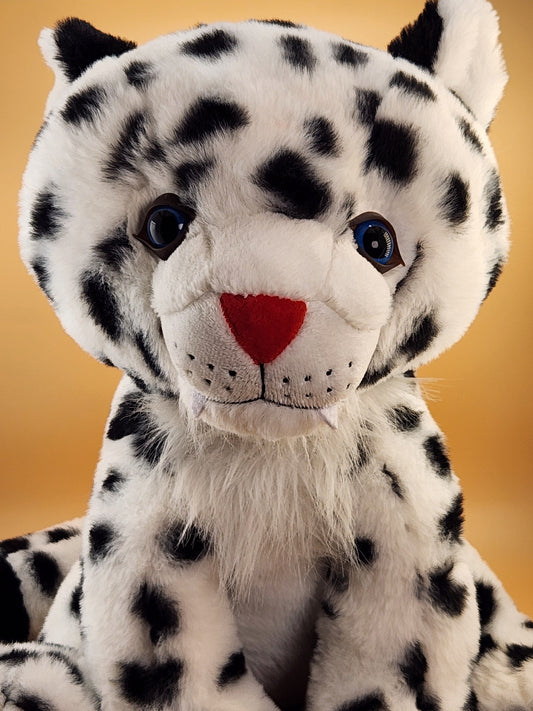
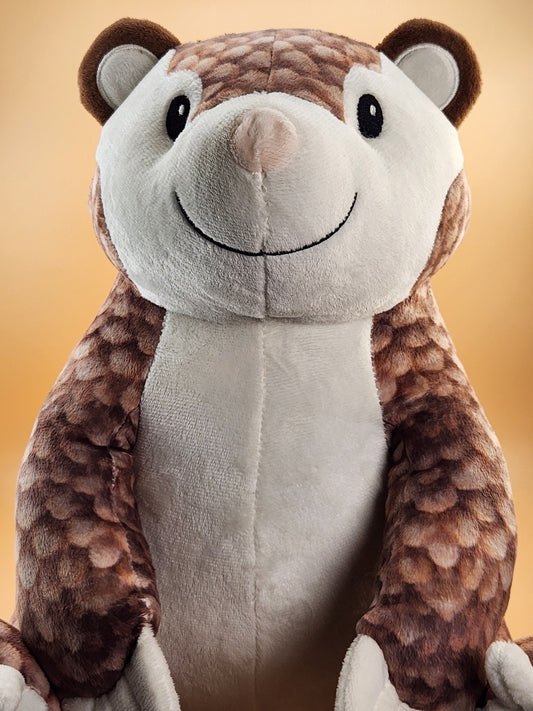
A child can name a pig and still know almost nothing about the wider web of life. Many children rarely encounter the calls of animals such as cranes, snow leopards, red pandas, or pangolins in toys, classrooms, or media aimed at very young ages.
That matters because sound creates emotional closeness. When a child hears an animal call again and again, that animal starts to feel real. It becomes more than a picture on a page.
Children protect what they feel connected to, and connection often starts with repeated, gentle familiarity.
A conservation-minded sound toy doesn't need to be gloomy or heavy. It can be playful and warm. A child hears a crane call, touches soft wings, and learns the animal lives in wetlands. Another child hears a forest species, then builds a leafy habitat from blocks. Those are small acts of relationship-building.
How conservation learning begins in play
Wildlife empathy grows through ordinary routines. Bedtime stories, pretend adventures, matching cards, and quiet cuddly play all shape what children notice and care about.
A few simple shifts can widen a child's world:
- Add less familiar species: Include toys or cards featuring animals beyond the barnyard.
- Name habitats aloud: “This animal lives in snowy mountains.” “This one lives in wetlands.”
- Link play to care: If a child loves an animal, adults can talk about keeping its home safe.
- Use realistic language: Real animal calls and real species names help children build respect for living creatures, not just cartoon versions.
Families and educators who want examples of how plush animals can support environmental awareness can explore this article on plush friends and environmental awareness in children.
Conservation education doesn't begin with a lecture. It begins when a child says, “What animal is that?” and an adult treats the question as important.
Creative Play Ideas Using Animal Sound Toys
The best play with sound toys usually happens away from the “press button, hear noise, move on” pattern. Children learn more when adults add movement, pictures, stories, and objects to the experience.
Educational design works best when sound is paired with immediate visual or tactile feedback. Retail examples for children ages 3+ often describe a “surprise sound” as a reinforcement tool for vocabulary and categorization, as seen in this animal sound can product listing.

Four easy activities to try
Some activities work best in one-on-one play. Others fit a classroom circle or sibling game.
-
Sound scavenger hunt
Place a few animal picture cards or small figures around the room. Play one sound and ask the child to find the matching animal. For a beginner, use only two choices. For an older child, add more animals or group them by habitat. -
Storytelling with sound cues
Pick one animal toy and build a short story around it. If the toy makes a bird sound, the adult might say, “The bird woke up early. What did it see?” Each sound becomes a cue for the next part of the story. -
Habitat building
Give the child blocks, scarves, cushions, cardboard, or leaves from outside. Then ask where the animal should live. A farm animal might get a barn. A forest species might get trees and a den. The child hears the sound, then builds the place that fits it. -
Act it out
Play a sound and invite the child to move like that animal. Hop like a rabbit. Stomp like a bear. Stretch like a crane. This turns listening into whole-body learning.
How to make the learning stick
Small adjustments often make these games more effective.
| If a child struggles with... | Try this |
|---|---|
| Too many choices | Offer only two animals at first |
| Short attention span | Keep rounds brief and repeat favorite sounds |
| Confusing matches | Use clear, realistic animal images |
| Little verbal language | Accept pointing, signing, or moving as the answer |
Another useful habit is to wait before answering. If the adult plays the sound and immediately names the animal, the child loses a chance to think.
Slow the moment down. A pause gives the child time to listen, search, and respond.
These activities also work well with books. If a child hears an owl sound, an adult can open to the owl page. If a child hugs a plush fox, the adult can add a forest picture card. That pairing of sound with sight or touch helps the association settle in.
A Sound Investment in Curiosity and Compassion
A toy that barks, chirps, or roars may look simple from the outside. In practice, it can support language, attention, memory, imitation, motor planning, and early science learning. It can also give children a first emotional connection to animals beyond their daily lives.
The most helpful toys that make animal sounds do a few things well. They match sound to animal clearly. They respond quickly. They fit a child's developmental stage. They hold up to real use. Most of all, they invite interaction instead of passive listening.
When adults choose these toys thoughtfully, playtime can stretch beyond naming farm animals. A child can begin to care about forests, wetlands, mountains, and the creatures that depend on them. That kind of caring won't come from pressure. It grows from repeated, warm, concrete experiences.
A bark can teach recognition. A crane call can spark wonder. A soft animal toy paired with a real species name can help a child understand that the world is larger, more diverse, and more fragile than it first appears.
That's what makes this category worth attention. It isn't only about sound. It's about relationship, curiosity, and the early roots of compassion.
Parents, educators, and gift buyers who want play to nurture both child development and care for wildlife can explore Snugglebug, where species-specific plush companions help children connect with endangered animals through comfort, storytelling, and conservation-minded learning.