
Anxiety Relief Toys: A Guide to Calming Tools for Kids
A child is melting down over something that seems small to the adults nearby. Socks feel wrong. The classroom is too loud. Bedtime suddenly feels impossible. A car ride becomes tears, kicking, and a desperate need to hold something, squeeze something, or hide under a blanket.
In moments like these, many parents start looking for help and find a confusing mix of products: fidget spinners, putty, chew necklaces, weighted plush, stress balls, and stuffed animals sold as calming tools. It's easy to wonder whether these are gimmicks or whether they can help.
Anxiety relief toys sit in a useful middle ground. They aren't a cure for anxiety, and they don't replace therapy or broader support when a child needs that. But they can give a child's body something concrete to do during stress. For some children, that matters a great deal. These toys can support regulation, offer comfort, and create a bridge back to purposeful play.
Their popularity also reflects a real need. Industry reporting projects the global decompression toys market at US$2.8 billion in 2026 and US$4.7 billion by 2033 according to Persistence Market Research's decompression toys market overview. That doesn't prove every toy works for every child, but it does show that these tools have moved far beyond a niche category.
Parents often get the best results when they stop asking, “Which toy fixes anxiety?” and start asking, “What kind of sensory input helps this child feel safer, steadier, or more connected?” That shift opens the door to more than fidgets alone. It includes comfort objects, weighted items, and plush toys that support emotional connection as much as sensory regulation.
Table of Contents
- Introduction More Than Just Toys
- The Science of Soothe How These Toys Help
- Exploring the Toolbox Types of Anxiety Relief Toys
- Choosing the Right Tool for Your Child
- Effective Strategies for Home School and Therapy
- Safety Cleaning and Mission-Driven Options
- Frequently Asked Questions About Anxiety Relief Toys
Introduction More Than Just Toys
Parents usually notice the need before they know the language for it. A child chews shirt sleeves when worried. Another child rubs a blanket edge to fall asleep. Another paces, crashes into cushions, or squeezes a stuffed animal tightly during transitions. These behaviors often look different on the surface, but they can point to the same underlying need for regulation.
That's why it helps to think of anxiety relief toys as tools for the nervous system, not prizes, distractions, or quick fixes. A spinner can occupy restless fingers. Putty can give resistance to busy hands. A weighted plush can offer grounding pressure. A familiar stuffed animal can become the object a child reaches for when words aren't available yet.
Practical rule: The right toy doesn't erase emotion. It gives the child a manageable way to move through it.
Anxiety in children rarely looks neat. One child gets clingy. Another gets silly and loud. Another refuses to get in the car, enter school, or separate at bedtime. Parents can miss anxiety because it doesn't always look like fear. Sometimes it looks like avoidance, irritability, or constant movement.
Purposeful play helps here. When a toy provides texture, pressure, movement, or comfort, it can become part of a regulation routine. For example, a child who feels flooded after school might sit with soft putty and slowly roll it while talking. A younger child might hold a plush animal during a doctor visit and press its paws while waiting. An older child might keep a silent fidget in a pocket for bus rides.
The bigger idea is simple. Children often regulate through the body first and language second. Anxiety relief toys work best when adults see them that way.
The Science of Soothe How These Toys Help
Some adults click pens, tap feet, doodle in meetings, or twist a ring when they're stressed. Children do similar things, just more openly. They seek input through touch, motion, pressure, and repetition.

Why hands help the brain settle
When a child is upset, the thinking part of the brain may not be fully available. The body reacts first. Hands get busy. Muscles tense. Breathing changes. Attention narrows. A well-matched sensory toy can offer a simple, focused task at exactly the moment a child feels scattered.
That's one reason repetitive sensory input can help. A stress ball gives resistance. Putty stretches and folds. A textured fidget offers predictable touch. Weighted items add gentle pressure that some children experience as grounding. None of these sensations “remove” anxiety, but they can make the feeling more tolerable.
A practical example helps. A child who panics in a waiting room may not be ready for a long verbal explanation. But that same child might squeeze a ball, rub a soft plush ear, or press hands into therapy putty while an adult speaks calmly nearby. The toy becomes an anchor.
Children also differ in what kind of anchor works. Some want movement. Others want softness. Some need deep pressure. Families exploring comfort-based options sometimes also look at the role stuffed animals can play in emotional support and everyday regulation.
What the research actually says
There is some meaningful evidence for toy-based calming support in high-stress settings. A 2024 randomized controlled trial found that hospitalized children who played with specific toys had lower anxiety scores than children receiving routine care, with no significant change in the control group, as described in the study abstract on ScienceDirect.
That finding matters because it shows tactile, engaging objects can have a measurable effect during acute stress. Hospital settings are demanding. Children in that environment aren't just “a little nervous.” They're often dealing with uncertainty, discomfort, and separation.
This short video offers a useful visual reminder that calming strategies often work best when they engage both body and attention.
Calming usually works better when the tool matches both the child and the moment.
That's why one child settles with putty at a desk, while another needs a soft weighted lap item during reading time, and another reaches for a plush companion at bedtime.
Exploring the Toolbox Types of Anxiety Relief Toys
Parents often hear “fidget toy” and picture one product. In practice, anxiety relief toys include several categories, and each one serves a different need.

Fidget and tactile toys
These are for busy hands and focused attention. Think of fidget cubes, marble meshes, textured rings, sensory strips, and therapy putty.
They're often most useful when a child needs to listen, wait, or transition without making much noise. A student may rub a silicone sensory strip under a desk during group instruction. A child in a car seat may twist a small tethered fidget during a difficult ride.
These tools usually work best when they are:
- Quiet: Good for classrooms, waiting rooms, and restaurants.
- Small: Easy to carry in a pocket or backpack.
- Predictable: Repetitive enough to soothe instead of excite.
Stress and squeeze toys
Squeeze toys meet a slightly different need. They give the hands resistance and can help release physical tension. Stress balls, slow-rise foam toys, and firmer sensory putties often fit here.
These can be especially helpful for children who clench fists, grind through transitions, or need a stronger physical outlet. A child upset after school may benefit from squeezing putty while sitting on the floor and talking through the day. Another child may keep a stress ball by the bed for evenings when worries ramp up.
Some children don't need more stimulation. They need a safe, repetitive way to discharge tension.
Weighted and deep-pressure items
Weighted plush, lap pads, and similar deep-pressure tools are less about finger activity and more about grounding through the body. These are often chosen for quiet time, reading, travel, or winding down before sleep.
A child who can't settle on the couch may relax with a weighted plush across the lap during story time. Another may use a lap pad during homework because the added pressure helps the body feel more organized.
These items aren't interchangeable with fidgets. A spinner helps one kind of restlessness. A weighted object helps a different child who feels floaty, uncontained, or physically uneasy.
Comfort objects and plush companions
Traditional stuffed animals belong in this conversation. A beloved plush isn't just sentimental. It can support attachment, predictability, and co-regulation.
For younger children especially, the comfort often comes from relationship. A plush toy may represent home, safety, a bedtime ritual, or the reassuring presence of a caregiver. A child might whisper worries to a stuffed fox before sleep, hold a plush penguin during a thunderstorm, or bring a soft animal to a medical appointment.
This category also creates room for mission-driven plush toys that combine comfort with meaning. Some families choose animal plush companions because they invite nurturing play and gentle conversation, not only sensory soothing.
Oral sensory tools
Some children regulate through the mouth. They chew shirt collars, pencil erasers, hoodie strings, or fingers. In those cases, safe chewable jewelry or oral sensory tools may be more appropriate than a hand fidget alone.
These tools are practical when a child:
- Chews non-food items: Shirt sleeves, toys, pencils, or hair.
- Seeks jaw input: Especially during stress, homework, or transitions.
- Needs a discreet option: Useful for school-aged children who want something portable.
The key is matching the tool to the pattern that already shows up in daily life.
Choosing the Right Tool for Your Child
The best choice usually becomes clearer when adults stop shopping by trend and start observing by context. A toy that works beautifully at bedtime may fail in a classroom. A child who loves soft textures may reject firm putty. Another child may find plush calming at home but too warm or distracting in the car.
Parent-oriented coverage has highlighted an important point: the calming effect often comes from co-regulation and relationship, not just the object itself, and families are moving toward context-specific choices like plush tools for bedtime and discreet fidgets for school, as discussed in Parents' guide to anxiety relief toys for kids.
Start with the situation
A useful first question is not “What's the best anxiety toy?” It's “When does the child need support?”
A few examples make this easier:
- Bedtime worries: Soft plush, weighted comfort items, or a familiar stuffed animal often work better than alerting fidgets.
- School or homework: Quiet hand fidgets, tactile strips, or discreet oral sensory tools are often easier to use without disrupting attention.
- Travel or appointments: Portable squeeze toys and comfort objects help with waiting, transitions, and unfamiliar spaces.
- Separation moments: A familiar plush linked to a routine can matter more than novelty.
Families considering a bedtime comfort object sometimes find it helpful to look at why children and adults often sleep with a stuffed animal, especially when sleep struggles are tied to security and routine.
Match the toy to the sensory need
Next, look at what the child's body seems to seek.
| Toy Category | Best For (Situation) | Sensory Need Met | Example |
|---|---|---|---|
| Fidget and tactile toys | Classroom, homework, waiting | Finger movement, texture, repetition | Fidget cube, sensory strip, marble mesh |
| Stress and squeeze toys | After school, car rides, transitions | Resistance, muscle tension release | Stress ball, therapy putty |
| Weighted and comfort items | Reading, bedtime, quiet time | Deep pressure, grounding | Weighted plush, lap pad |
| Comfort objects | Sleep, separation, medical visits | Emotional security, familiarity | Stuffed animal, soft lovey |
| Oral sensory tools | School, homework, anxious chewing | Safe oral input | Chew necklace, chew pencil topper |
Some children need trial and error. That's normal. A toddler may prefer a very simple soft object with one clear purpose. A school-age child may want something discreet. A teen may reject anything that looks babyish and prefer a subtle ring, putty tin, or small squeeze item.
A few selection guidelines help:
- Watch what the child already does. Chewing, pacing, squeezing, rubbing, hiding, and carrying a plush all offer clues.
- Choose for the environment. Silent matters at school. Washable matters for travel. Durable matters for daily use.
- Avoid overcomplicating. Many children do better with one or two dependable options than a whole bin of novelty items.
If a toy creates more conflict than calm, it isn't the right tool for that setting.
Effective Strategies for Home School and Therapy
A calming tool works best when adults use it intentionally. The toy itself matters, but timing, routine, and adult support matter just as much.
At home
A calm-down corner doesn't need to be elaborate. A small basket with putty, a squeeze ball, one soft plush, and maybe a weighted lap item can be enough.
A parent might notice that a child falls apart every day after school. Instead of asking for immediate conversation, the adult can offer a short routine: shoes off, snack, five minutes with putty or a plush in a quiet spot. The toy isn't a reward. It becomes part of the body's transition home.
Another home example is bedtime. If a child becomes anxious once the lights go down, a plush animal can be worked into the routine. The adult tucks in the child, the child hugs the plush, and both take slow breaths together. That's co-regulation. The child borrows calm from the adult while holding something familiar.
At school
Teachers usually appreciate tools that are clear, quiet, and predictable. A child who gets a fidget only after dysregulation may start seeing it as a special object rather than a support tool. A better plan is often a simple agreement about when and how it's used.
Examples help:
- During circle or desk work: a silent fidget kept in a pocket or under the desk
- During tests or waiting periods: a squeeze item used without visual play
- During movement breaks: putty or a wall push paired with breathing
Adults can use plain language. “Hands can stay busy while ears listen.” That's easier for children to understand than “Use this to regulate.”

During therapy or counseling
Therapists often use toys to lower pressure, support expression, and give the body a job during hard feelings. A child may talk more easily while squeezing putty than while making eye contact across a room.
The adult's role matters here too. Instead of saying, “Calm down,” a therapist or caregiver might say, “The hands look like they need something strong to do,” and then offer putty. Or, “This feels like a holding-tight moment,” and hand over a weighted plush. Those responses teach body awareness over time.
The toy is most helpful when an adult connects it to a feeling, a body cue, or a routine.
Safety Cleaning and Mission-Driven Options
Calming tools need to be safe enough for repeated, everyday use. That sounds obvious, but in practice it means looking beyond appearance.
Basic safety checks
Parents usually want to check:
- Age fit: Small parts, strings, beads, and removable accessories can be risky for younger children.
- Material quality: Non-toxic materials and sturdy seams matter, especially for children who mouth or chew.
- Realistic use: A child who throws objects may need soft items. A child who chews may need a product designed for oral use rather than a general toy.
Weighted items deserve extra care. The product should match the child's size and use case, and adults should follow the maker's safety guidance closely.
Simple cleaning habits
Anxiety relief toys go everywhere. They land on classroom floors, ride in car seats, and get carried into bed. Regular cleaning helps them stay useful.
For quick upkeep, many families do well with a simple routine:
- Hard or silicone fidgets: Wipe down regularly according to the product directions.
- Putty or dough-style items: Keep sealed when not in use and replace when dirty.
- Plush items: Check the tag for washing instructions and clean on a consistent schedule.
For plush-specific care, Snugglebug's plush toy cleaning guide offers practical steps families can adapt to other stuffed toys as well.
Choosing with purpose
Some families want a calming tool to do more than soothe in the moment. They want it to support empathy, learning, or a family value.

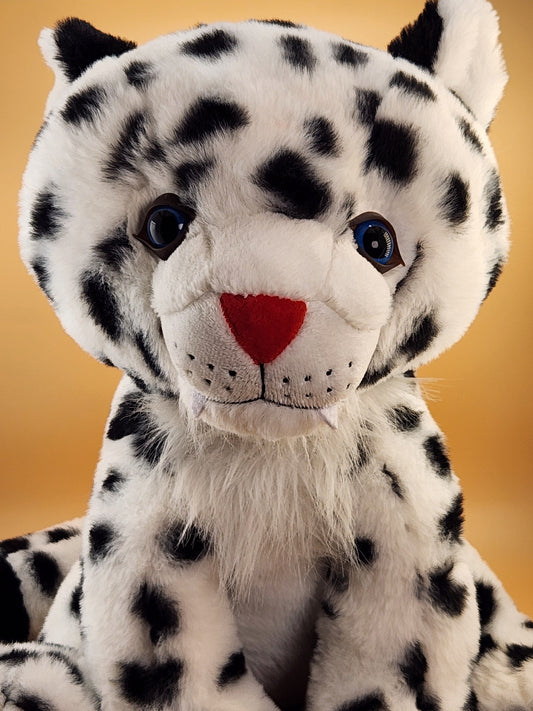
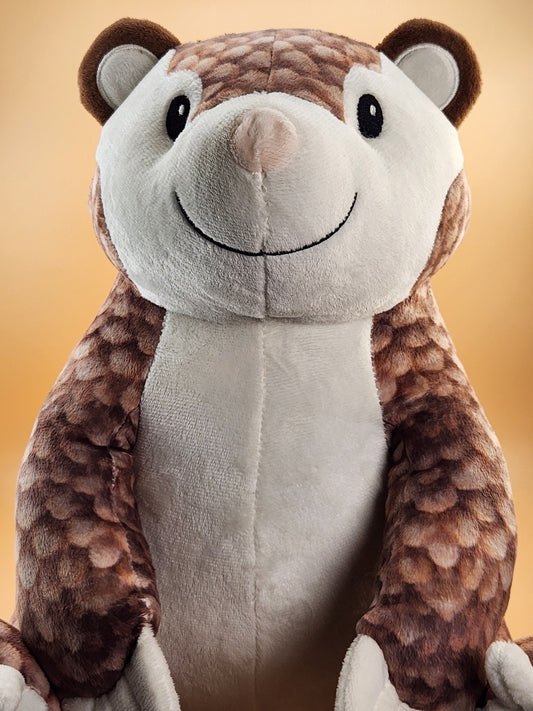
That's where mission-driven plush can fit naturally. Snugglebug offers species-specific plush toys based on endangered animals, such as Ruby the Red Panda and Paulie the Pangolin, pairing comfort with wildlife education and conservation support. For a child who calms through softness, holding, and attachment, a plush like this can become both a regulation tool and a starting point for nurturing play.
The broader point is that parents don't have to choose between emotional comfort and meaningful play. Sometimes one object can support both.
Frequently Asked Questions About Anxiety Relief Toys
Are anxiety relief toys a cure for anxiety
No. They're tools, not treatment. A medical review notes that large-scale scientific evidence for fidget toys is still limited, and any benefit is more likely to be a short-term distraction than a treatment effect, as explained in Medical News Today's review of fidget toys for anxiety. That's a helpful reminder to keep expectations realistic.
Are these toys only for children with a diagnosis
No. Many children use sensory or comfort tools during stress, transitions, travel, bedtime, or unfamiliar situations. A formal diagnosis isn't required for a child to benefit from a well-matched support item.
What if a toy becomes a distraction
That usually means the match or the setting is off. A bright, exciting fidget may not belong in a quiet lesson. A silent tactile strip or small squeeze tool may work better. Clear routines also help. Adults can teach when the tool is for calming and when it needs to stay away.
Is a stuffed animal really an anxiety relief toy
It can be. For many children, a plush companion offers familiarity, softness, and emotional security. That's especially true during bedtime, separation, illness, or overstimulating environments.
When should a family seek more support
If worry regularly disrupts sleep, school, eating, separation, or daily functioning, a toy alone isn't enough. That's a good time to talk with a pediatrician, therapist, school counselor, or another qualified professional.
Parents looking for a comfort object that also supports empathy and learning can explore Snugglebug, where plush companions are paired with wildlife education and a conservation mission.