
Social Emotional Toys: Guide to Empathy & Growth 2026
A child sits on the floor with a favorite plush tucked under one arm and a tiny tea cup balanced in the other hand. The toy gets a blanket. The toy gets a sip. The toy gets told, very seriously, “It's okay. You're sad.”
Most adults recognize that moment as sweet. Fewer recognize it as practice for real life.
That child isn't just passing time. The child is rehearsing comfort, noticing feelings, trying out language, and making sense of relationships. A stuffed animal, doll, puppet, or even a set of blocks can become a safe place to practice the human skills that matter long after the toy is outgrown.
That's why social emotional toys deserve a closer look. Not because they magically teach empathy on their own, and not because a special label on a box guarantees growth, but because the right toy in the hands of an engaged caregiver can turn everyday play into emotional learning.
Table of Contents
- The Hidden Power in Your Child's Playroom
- What Are Social Emotional Toys
- The Research-Backed Benefits of SEL Play
- A Developmental Guide to Social Emotional Toys
- Bringing SEL to Life with Practical Activities
- Choosing the Right Toy A Parent's Checklist
- Play with Purpose The Lifelong Gift of Empathy
The Hidden Power in Your Child's Playroom
A preschooler lines up three animal figures and announces that one feels left out. A toddler presses a plush against a parent's cheek after a hard day. An older child builds a bedroom for a doll who “needs a quiet place to calm down.” These small scenes look ordinary because they happen every day.
They aren't ordinary at all.
Children use play to work through feelings before they can explain those feelings clearly. They replay moments that felt confusing. They invent problems, then solve them in gentler, slower ways than real life allows. When a child tells a toy to wait its turn, share, apologize, or take a deep breath, that child is building emotional understanding from the inside out.
Why toys matter less than the moment around them
The most useful question isn't “Which toy teaches empathy?” It's “What kind of interaction is happening around this toy?”
A plain plush can become a comfort object, a conversation starter, or a character in a story about kindness. A puppet can help a shy child try words that feel too hard to say directly. A dollhouse can become a laboratory for family routines, conflict, repair, and care.
Social emotional growth often shows up first in pretend play, long before a child can describe it in adult language.
Many parents get stuck here. They assume they need a highly specialized product to support emotional growth. Sometimes they do not. What matters is whether the toy gives the child a chance to notice feelings, act on care, and stay in a shared interaction with an adult who is paying attention.
Common playroom moments that carry emotional meaning
- Comforting play: A child wraps a bear in a blanket after hearing thunder.
- Repair play: Two figurines fight over a block, then “work it out.”
- Perspective-taking play: One toy is scared of the dark, while another knows how to help.
- Caregiving play: A child feeds, rocks, or checks on a toy before bed.
Those are not random scripts. They're early rehearsals for empathy, self-control, and connection.
What Are Social Emotional Toys
Social emotional toys are toys that help children practice understanding feelings, expressing them, and responding to other people with care. The clearest way to think about them is this. They are gym equipment for feelings.
A child doesn't build muscle by reading about movement. A child builds muscle by doing. Emotional skills work the same way. Children need repeated chances to name feelings, manage frustration, solve small social problems, and try kindness in action.

A toy becomes social emotional when it invites practice
A toy doesn't need a special aisle at the store to count. Its role matters more than its category.
A plush becomes a social emotional toy when a child uses it to comfort, nurture, or talk through a hard feeling. A puppet becomes one when it helps a child practice greetings, apologies, or brave words. A game becomes one when it teaches turn-taking, waiting, and handling disappointment.
Some toys are built for this work more directly. Emotional development toys like the Whatsitsface plush use 6 adjustable facial expressions to help children practice emotion identification, language mapping, and coping strategies, and they're used alongside frameworks such as Zones of Regulation and color-coded emotional thermometers, as described in The OT Toolbox's overview of emotional development toys.
The main skills these toys can support
Different toys support different parts of social and emotional learning. A helpful way to sort them is by the skill they invite.
| Skill | What it looks like in play | Toy examples |
|---|---|---|
| Self-awareness | Naming “sad,” “mad,” “worried,” or “proud” | emotion plush, mirrors, feeling cards |
| Emotion regulation | Practicing calming down, taking a break, asking for help | comfort plush, sensory toys, breathing prompts |
| Empathy | Noticing what another character might feel | dolls, animal figures, puppets |
| Relationship skills | Sharing, turn-taking, repairing conflict | board games, pretend sets, role-play props |
| Responsible choices | Thinking through what a character should do next | story cards, figurines, puppets |
A strong social emotional toy usually does at least one of these things well. A strong adult interaction helps the child connect that play to real life.
Practical rule: If a toy helps a child say “He looks sad,” “She needs help,” or “I need a break,” it's doing social emotional work.
The Research-Backed Benefits of SEL Play
A child's stuffed dog gets left out of a pretend picnic. You sit down beside your child and ask, “How do you think Puppy feels?” Your child pauses, studies the toy's face, and says, “Sad. He wanted to come.” That small moment can look simple from the outside. In child development, it is practice for real life.
Researchers and educators have paid close attention to social and emotional learning because these everyday interactions help children build skills they use far beyond the playroom. A large review from the Collaborative for Academic, Social, and Emotional Learning found that high-quality SEL instruction supports students' social behavior, emotional well-being, and school success over time, as summarized in CASEL's overview of SEL outcomes.

Why this kind of play matters
SEL play gives children a low-stakes place to rehearse hard things. A toy can stand in for the child, which makes big feelings feel safer to approach. For many children, saying “Bear is nervous” comes before saying “I'm nervous.”
That distance helps. It works like training wheels. The toy carries part of the emotional load while the child learns the words, the sequence, and the recovery.
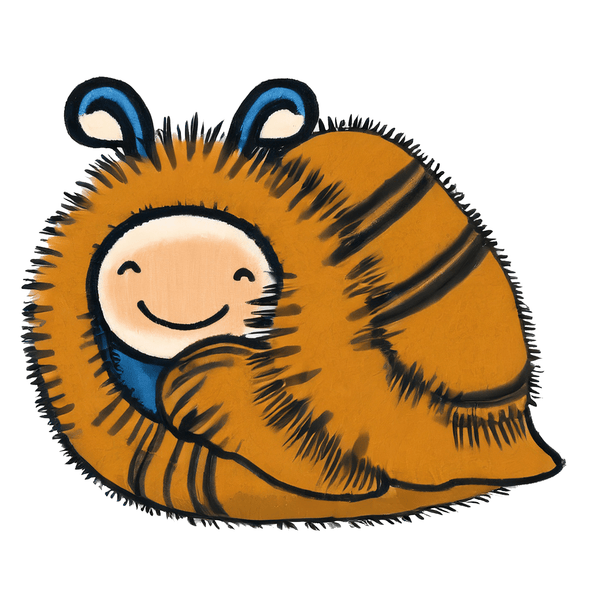
Adults matter just as much as the toy. A plush, puppet, dollhouse figure, or bug-shaped comfort toy like Snugglebug becomes more useful when a caregiver slows the moment down and adds language. “He fell down and looks frustrated.” “She wants a turn.” “What could help him calm his body?” That kind of guided play helps children connect feelings, actions, and solutions.
What research looks like in everyday play
The benefits become easier to see in ordinary moments at home or in the classroom:
- Emotional language grows: A child who usually cries or grabs can begin to use words such as “mad,” “worried,” or “left out” during pretend scenes.
- Self-regulation gets practice: During a frustrating game, an adult helps a child make the toy take a breath, ask for help, or try again. Later, the child has a script to borrow.
- Empathy becomes more concrete: When one character is hurt, lonely, or excluded, the child practices noticing another point of view and responding with care.
- Problem-solving improves: Pretend conflicts let children test solutions safely. They can rewind, change the ending, and see what works.
- Relationship repair feels possible: Two puppets can argue, apologize, and reconnect. For a child, that rehearsal matters.
A pilot study on smart toy interventions for emotion regulation also found that children stayed engaged with the activity, and many parents reported signs of self-soothing and relaxation during use, as described in this peer-reviewed study on smart toys and emotion regulation.
The caregiver's role is the real multiplier
The strongest benefit does not come from owning a special toy. It comes from how an adult joins the play.
You are helping your child do three things at once. Notice a feeling. Name it. Practice what to do next.
That can happen with almost anything. A plush toy can practice comfort. Blocks can practice frustration tolerance. Puppets can practice apology and repair. A toy bug tucked into a pocket can become a calming companion during transitions if the adult gives it a role and language.
Families who want more examples of how pretend scenarios build these skills can explore this guide to the benefits of make-believe play.
One caution is helpful here. Play supports social and emotional growth best when it is repeated, warm, and responsive. The object starts the interaction. The relationship teaches the skill.
A Developmental Guide to Social Emotional Toys
Children don't need the same kind of emotional practice at every age. A one-year-old is learning that feelings can be noticed and soothed. A four-year-old is working on turn-taking and pretend conflict. A nine-year-old can think about fairness, loyalty, embarrassment, and mixed feelings.
That's why social emotional toys work best when adults match the play to the child's developmental stage.
Infants and young toddlers
At this age, the focus is simple and foundational. The child is learning that emotions happen in relationships. A warm face, a familiar voice, and a comforting object matter more than complex activities.
Helpful choices include soft plush toys, simple dolls, mirrors, and sensory objects with predictable textures. The adult's role is to label what's happening in real time: “Bear is sleepy,” “You look upset,” “Let's cuddle and calm down.”
A few effective play ideas:
- Face matching: Hold a plush close and make a happy, sleepy, or surprised expression for the child to watch.
- Comfort routines: Tuck a toy in, rock it gently, and repeat simple feeling words.
- Back-and-forth care: Offer the toy to the child, then receive it back with warmth and attention.
Preschoolers
This is the golden age of pretend play. Preschoolers can act out stories, assign feelings to characters, and experiment with social rules. They're also still impulsive, which means they need lots of support around waiting, sharing, and recovering after disappointment.
Dolls, puppets, animal figures, dress-up sets, and simple cooperative games all fit well here. Emotion toys with clear faces can be especially useful when children know they feel “something big” but can't yet sort out the exact word.
A child who says a puppet is angry may be talking about the puppet. The child may also be talking safely about the self.
Adults can stretch this play by asking concrete questions. “What happened?” works better than “Why are you acting like that?” “What could help the bunny feel better?” works better than “Use your words.”
Early elementary
Children in this stage can hold longer stories and more than one perspective at a time. They can talk about fairness, notice social patterns, and reflect after a hard moment. That makes games with rules, story-building toys, puppets, and role-play materials especially useful.
A short comparison helps:
| Age range | Emotional focus | Helpful toy types |
|---|---|---|
| 6 to 8 | frustration tolerance, friendship repair, problem-solving | board games, puppets, figurines, journals with props |
| 9 to 12 | perspective-taking, ethical thinking, group belonging | story prompts, collaborative games, themed plush or figures |
Research also points to an important school-readiness issue. Studies highlight the need to directly assess SEL building blocks such as behavioral self-regulation at kindergarten entry, identifying it as the most important predictor of teacher-rated SEL outcomes, especially for underserved children, according to Frontiers in Education.
That matters for toy choice. Before kindergarten, adults shouldn't only ask whether a toy is “educational.” They should ask whether play with that toy helps a child wait, follow through, shift attention, and recover from frustration.
Late elementary and pre-teens
Older children still benefit from toys and tactile comfort, even if the form changes. A plush on the bed, collaborative games, character-based storytelling, and creative building can all support emotional reflection.
At this age, the richest conversations often come from indirect prompts. A child may talk more openly about exclusion, courage, or worry through characters than through direct questions.
Useful prompts include:
- “Which character had the hardest choice?”
- “What would make this situation fair?”
- “If this animal or doll could talk truthfully, what would it say?”
The toy becomes less of a prop and more of a bridge into real emotional language.
Bringing SEL to Life with Practical Activities
Adults often buy a promising toy and then wonder what to do next. That's where the essential work begins. Social emotional toys are most useful when a caregiver joins the play, slows it down, and gives the child language for what's happening.
That matters because toys don't replace connection. Research on shared emotional experiences shows that caregiver attention can shift toward the object instead of the child, weakening the back-and-forth relationship that supports emotional regulation and empathy, as discussed by Nurture Connection's article on toys and shared emotional experiences.
Simple games that build real skills
These activities work with almost any plush, doll, puppet, or figure. They don't need a special kit.
-
Feeling check-in with a toy
At the start of play, the adult asks, “How is the bunny feeling today?” The child picks a feeling and explains why. If the child says, “Mad because the block tower fell,” the adult reflects it back and adds one coping idea. -
Comfort the character
A plush has a problem. It's scared of thunder, sad after a goodbye, or nervous about a new classroom. The child thinks of three ways to help. Blanket, hug, quiet corner. This builds both empathy and problem-solving. -
Turn-taking rescue mission
Two figures need to work together to solve a pretend challenge. One gathers supplies, the other carries them. The adult narrates the waiting and switching. That makes invisible self-control more visible. -
Story repair
A puppet grabs, yells, or refuses to share. Instead of ending the game, the adult asks, “How can the story get better?” Children learn that mistakes can be followed by repair.
For more playful prompts with plush companions, families can explore these stuffed animal activities for learning and fun.
What the adult does during play
The child does not need a lecture. The child needs a calm co-player.
A helpful adult does a few simple things well:
- Names feelings clearly: “That bear looks worried,” or “That doll seems frustrated.”
- Keeps questions concrete: “What happened next?” is easier than “Tell what you're feeling in detail.”
- Models repair: “The tiger can say, ‘I'm sorry. Can I help fix it?’”
- Stays with the child: Attention lands on the child's expression, body, and ideas, not only on the toy.
When adults look through the toy instead of at the toy, children often reveal much more.
Another strong habit is to connect pretend play to daily life without forcing it. If a child helps a stuffed fox calm down, the adult can later say, “That breathing trick helped the fox. It might help bodies at bedtime too.” That gentle bridge helps emotional tools travel from the playroom into the rest of the day.
Choosing the Right Toy A Parent's Checklist
Your child is upset after a hard moment. They reach for one toy, tuck it under an arm, and begin to replay the scene in their own way. That is often the toy worth noticing.
Buying for social and emotional growth gets easier when you shift the question from “What should I buy?” to “What kind of play will this help me join?” A good SEL toy gives you something to do together. It invites comforting, turn-taking, storytelling, problem-solving, or repair. The object matters, but the shared interaction matters more.

What to check before buying
Parents are paying closer attention to toys that support emotional health and social growth. That interest makes a simple checklist useful, especially when packaging promises more than the toy can really offer.
Use these questions before you buy:
- Can we play with it together? A strong choice gives a caregiver room to join in, not just watch from the side.
- Can it hold many kinds of stories? The best toys for SEL work across happy play, worried play, comfort play, and everyday pretend moments.
- Does it make feelings easier to see? Faces, body cues, caregiving routines, and social situations give you natural openings for conversation.
- Will it last through real attachment? Children carry, squeeze, drop, tuck in, and revisit favorite toys again and again.
- Can it connect to daily life? A toy becomes more useful when you can say, “Your bunny felt left out in the game. Did anything like that happen at preschool?”
- Does it fit your family's values? Materials, manufacturing choices, and theme all shape what a toy teaches indirectly. Families who care about that piece may find this guide to eco-friendly children's toys helpful.
A helpful rule is simple. Choose toys that leave space. Space for your child's ideas. Space for your questions. Space for the same toy to be a patient, a baby, a classmate, or a comfort object on different days.
How mission and story can deepen play
Story gives a toy more staying power. A child who knows an animal's name, habitat, or challenge often treats that toy less like a prop and more like a relationship. That gives the adult more ways to guide empathy.
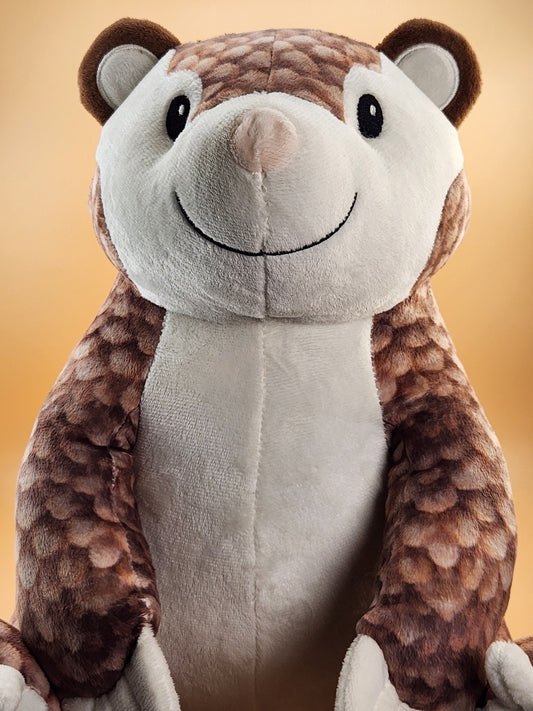
One example is Snugglebug, a plush toy brand that creates species-specific animal companions such as Paulie the Pangolin and pairs them with educational cards about wildlife and conservation. In practice, that means a parent or teacher can do more than say, “Let's pretend.” They can ask, “What does Paulie need right now?” or “How can we help an animal stay safe?” Those questions move play toward care, responsibility, and perspective-taking.
That does not mean a toy needs a big backstory to be useful. A plain stuffed dog can do this too. The difference is the adult's role. You are not only choosing the toy. You are helping the child turn it into a practice partner for kindness.
A short product video can help parents notice whether a toy's design invites that kind of extended use.
The strongest choice is usually the toy your child returns to during ordinary moments, after a bump in the day, before bed, or in the middle of an invented story. That kind of return tells you the toy is doing more than entertaining. It is giving your child, and you, a steady place to practice empathy.
Play with Purpose The Lifelong Gift of Empathy
Children don't build empathy from toy ownership alone. They build it through repeated moments of noticing, naming, comforting, waiting, repairing, and trying again. Toys provide a shape for those moments.
That's why social emotional toys matter most when adults treat play as a relationship, not a performance. A plush can become a practice partner for kindness. A puppet can hold a hard conversation safely. A pretend story can help a child work through fear, fairness, or belonging without feeling exposed.
The lasting gift isn't a bigger toy collection. It's a child who can recognize feelings in the self and in others, recover more steadily after frustration, and approach the world with care.
Purposeful play makes that growth more possible. A thoughtful toy helps. An attentive caregiver makes the difference.
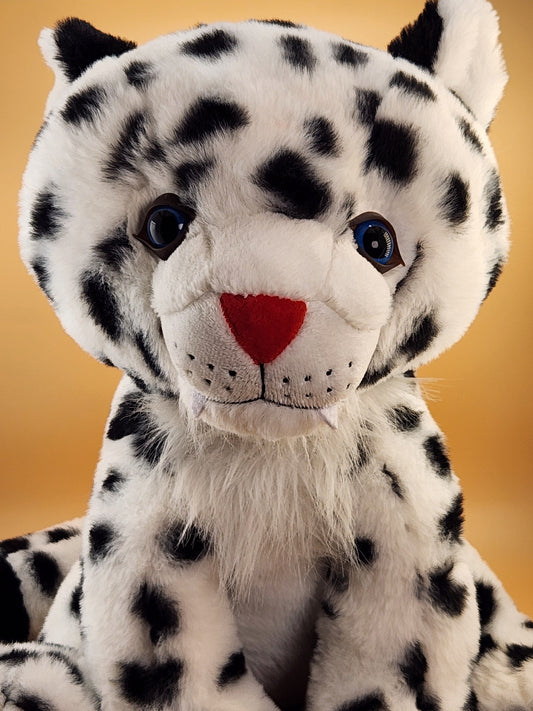
A thoughtful place to start is Snugglebug, where plush companions are paired with wildlife learning and conservation themes that can support conversations about care, empathy, and connection during everyday play.