
Eco Friendly Children's Toys: A Parent's Guide
A parent stands in a toy aisle holding two boxes. One says “natural.” Another says “eco.” Both are wrapped in plastic, both are brightly colored, and neither makes it easy to tell what they're made of, how safe they are, or what will happen to them once the child outgrows them. That confusion is common.
Choosing eco friendly children's toys can feel harder than it should. Families want toys that are fun, safe, and worth bringing home. They also want purchases to reflect the values they're trying to teach, especially care for living things and respect for the world children are growing into.
That shift is already changing how families shop. The global eco-friendly toys market is projected to reach USD 3.8 to 4.4 billion by 2034, and 45% of parents under 40 consider a toy's environmental impact before buying, according to eco-friendly toys market research from GM Insights. The interest is real, but labels still leave a lot unsaid.
This guide gives parents and caregivers a simple way to sort through the noise. It looks at what a toy is made from, how it affects a child's health, how long it lasts, and how play can become part of a larger conservation mindset.
Table of Contents
- Navigating the World of Eco Friendly Toys
- The Four Pillars of a Truly Eco Friendly Toy
- Decoding Sustainable and Non-Toxic Toy Materials
- Assessing a Toy's Safety and Full Lifecycle
- Your Practical Guide for Buying and Gifting Toys
- Turning Playtime into Conservation Education
- A More Conscious Approach to Play
- Frequently Asked Questions About Eco Friendly Toys
Navigating the World of Eco Friendly Toys
The hardest part for many families isn't finding toys marketed as green. It's figuring out which claims mean something. A wooden puzzle might come in layers of plastic wrap. A plush toy might use organic fabric outside but mixed synthetic filling inside. A box might say “earth friendly” without explaining anything useful.
That's why eco friendly children's toys are best understood as a set of choices, not a single label. A toy can look wholesome and still leave important questions unanswered. Parents usually aren't looking for perfection. They're looking for honesty, safety, and a product that aligns with the kind of home they're trying to build.

A helpful example is the difference between buying for a moment and buying for a season of childhood. A flashing plastic novelty might get a quick burst of attention. A thoughtfully made set of blocks, a fabric doll, or an animal plush with educational value can stay in rotation much longer. The second kind of toy often supports calmer, more imaginative play too.
Eco-friendly doesn't mean dull, fragile, or less fun. It means the toy was considered more carefully.
Families often get stuck on one question: “What's the most sustainable material?” The better question is broader. “What choice gives this child safe play now and less waste later?” That small shift makes toy shopping clearer. It moves the focus away from marketing language and toward real-world use.
The Four Pillars of a Truly Eco Friendly Toy
A simple way to judge any toy
One practical way to evaluate eco friendly children's toys is to use four pillars. Together, they form a clear checklist that works in a store aisle, on a product page, or while choosing a gift.

Sustainable materials come first. This is the “what is it made from?” question. Wood from responsibly managed forests, organic cotton, natural rubber, and some recycled inputs are all examples parents might see. The point isn't just whether a material sounds natural. The point is whether it comes from a resource that's renewable, lower impact, or diverted from waste.
Responsible manufacturing asks how the toy was made. Materials matter, but production matters too. Water-based dyes, lower-waste packaging, and clear brand transparency all help. If a company gives detailed information instead of vague slogans, that's usually a good sign.
Then comes child safety and health. This pillar is personal. Children touch, mouth, chew, drag, and sleep beside their toys. Safe finishes, non-toxic components, and age-appropriate construction aren't extras. They're central.
The fourth pillar is end-of-life impact. Many “green” conversations stop too early at this point. Parents are left asking: Can this be repaired? Passed to another child? Recycled? Donated? Disassembled? A toy's environmental story doesn't end at checkout.
Why all four pillars matter together
A simple analogy helps. Choosing a toy is a bit like choosing food for a family table. Ingredient quality matters, but so do how the food was grown, whether it's safe to eat, and what happens to the leftovers. One good feature doesn't answer every question.
Here's the four-pillar lens in short form:
- Materials: What resources went into it
- Production: How those resources were turned into a toy
- Safety: What a child will be exposed to
- Lifecycle: How long it lasts and what happens after use
A toy made from wood but coated in questionable finishes still raises concerns. A recycled plastic toy may reduce some virgin material use, but parents may still want to know about durability and eventual disposal. Looking at all four pillars helps families avoid single-issue thinking.
Practical rule: If a brand explains only one pillar and stays quiet about the others, the product needs a closer look.
Decoding Sustainable and Non-Toxic Toy Materials
Why material choice matters so much
Materials shape almost everything about a toy. They affect texture, durability, washability, safety, and waste. They also influence what children learn to value. A child who grows up handling wood, cotton, and sturdy reusable pieces gets a different relationship with objects than a child surrounded by throwaway novelty items.
The need for better choices is easy to understand. About 90% of the 3 billion toys sold in the U.S. each year contain plastic, and about 80% of those plastic toys end up in landfills, according to sustainable toys market reporting from Maximize Market Research. That doesn't mean every plastic toy is automatically bad. It does mean parents are right to ask harder questions before bringing more of it home.
Wood is often the easiest place to start. Sustainably sourced wood feels solid in the hand, holds up well, and works beautifully for blocks, pull toys, simple puzzles, and pretend play pieces. For babies and toddlers, a smooth wooden toy with a safe finish can feel more reassuring than a soft plastic item with an unclear ingredient list.
Organic cotton is another strong option, especially for cloth books, plush toys, rattles, and comfort objects. It's soft, washable, and easier for many parents to understand because the material is familiar. Natural fibers can also make a toy feel less disposable.
Natural rubber often shows up in teethers and bath-time toys. It offers a renewable alternative to standard plastic in some categories. Recycled plastic can also play a role, especially when it replaces virgin plastic, but it usually deserves a more careful read from buyers. Families may still want to know what the final product contains, how sturdy it is, and whether the brand explains its broader lifecycle choices.
For parents curious about plant-based textiles, this guide to what bamboo fabric is can help clarify what material descriptions mean on labels.
A Quick Guide to Eco-Friendly Toy Materials
| Material | Source | Key Benefit | Best For |
|---|---|---|---|
| Wood | Trees from responsibly managed forests | Strong, durable, long-lasting | Blocks, puzzles, vehicles |
| Organic cotton | Natural fiber grown with stricter material standards | Soft feel, washable, familiar to parents | Plush toys, dolls, cloth books |
| Natural rubber | Sap from rubber trees | Flexible and useful as a plastic alternative in some toys | Teethers, sensory toys |
| Recycled plastic | Existing plastic reprocessed into new products | Can reduce demand for virgin plastic | Outdoor toys, bath toys, molded parts |
| Hemp or other plant fibers | Fast-growing natural fibers | Durable fabric option in some soft goods | Fabric accessories, soft play items |
A practical comparison often helps more than a perfect answer. A wooden stacking toy may win on durability. An organic cotton plush may win on comfort. A recycled plastic sand toy may make sense if it's used heavily outdoors and built to last. The right choice depends on use, not just labels.
Assessing a Toy's Safety and Full Lifecycle

Safety starts with what reaches a child's hands and mouth
Many toy conversations start with sustainability, but safety is where most parents' attention naturally lands. That instinct makes sense. Babies and toddlers explore with their whole bodies. They chew corners, rub faces against plush, and carry toys through meals, naps, and car rides.
Research from the Ecology Center shows that conventional plastic toys commonly contain BPA, phthalates, and lead, and a child's hand-to-mouth activity creates a direct route for these toxins to enter the body, as summarized in this safe non-toxic toy guide. That's one reason many families look for toys made with natural materials, water-based stains, and simpler finishes.
A useful habit is to scan for the part of the toy a child will interact with most. For a teether, that means the chewable surface. For a plush toy, it means the outer fabric, seams, dyes, and filling transparency. For painted wood, it means the coating, not just the wood itself.
Parents can ask:
- What touches the child most often: Fabric, paint, finish, stuffing, or molded surface
- What happens during mouthing: Will color rub off, crack, peel, or flake
- What does the brand disclose: Clear material lists usually signal more careful design
A toy's job isn't over when playtime ends
Durability belongs in the safety conversation too. Toys that split easily, shed pieces, or wear down quickly become frustrating at best and risky at worst. A better-made toy usually creates less breakage, less clutter, and less frequent replacement.
According to this eco toys guide focused on sustainable play, quality wooden and organic cotton toys are often capable of being passed down across generations, which can reduce replacement frequency and improve total value over time compared with plastic toys that degrade within months. That's not just an environmental argument. It's a household sanity argument.
A toy's full lifecycle also matters once it's no longer wanted. On this point, many brands leave parents guessing. If a plush toy has mixed materials, can any part of it be recycled? If a wheel breaks on a ride-on toy, are replacement parts available? If a child has outgrown a toy but it's still usable, is it easy to donate and still safe for another family?
The most sustainable toy is often the one that stays useful longest, then leaves the home responsibly.
A practical full-lifecycle checklist looks like this:
- Use phase: Will the child return to it often?
- Wear phase: Can it survive washing, chewing, or rough handling?
- Reuse phase: Can it be handed down, donated, or repaired?
- End phase: Does the brand explain disposal, recycling, or material separation?
Parents don't need every answer to be perfect. They do deserve enough information to choose with open eyes.
Your Practical Guide for Buying and Gifting Toys
Questions worth asking before checkout
Toy shopping gets easier when families stop asking “Is this eco?” and start asking better questions. A short list can filter out a surprising amount of noise.
- What is it made from: Look for plain language such as wood, organic cotton, or natural rubber. Be cautious when packaging uses broad words like “green” or “earth-safe” without naming materials.
- What finishes or dyes were used: This matters most for toys that babies and toddlers mouth often.
- Will it last: A toy that breaks quickly usually becomes waste quickly.
- Can it be passed on: Hand-me-down value is one of the strongest signs that a toy was made thoughtfully.
- Does the brand explain disposal or repair: Even a short note about recycling, donating, or care is useful.
For gift buyers, these questions are especially helpful. Grandparents, family friends, and classroom volunteers often want to give something meaningful but don't know how to judge quality online. A simple checklist lowers the guesswork.
What a strong answer looks like
Strong toy choices tend to sound specific, not flashy. Product pages that name the outer fabric, filling, finishes, and care instructions are often easier to trust than pages full of mood words and very little detail.
This is also where values can guide the gift itself. Some families prefer toys that do more than entertain. One example is Snugglebug's journal article about voting with your wallet and cuddling with purpose, which reflects the idea that a toy can support both play and broader care for the world around a child.
A practical shopping snapshot:
- Good sign: Material details, safety information, simple care guidance
- Better sign: Durable construction and clear gifting age range
- Best sign: A toy that can be loved now, cleaned easily, and handed to another child later
That last point matters. Quality wooden and organic cotton toys are often capable of being passed down across generations, which changes the value equation from short-term price to longer-term use, as noted in the earlier source on sustainable play.
Turning Playtime into Conservation Education

A toy can be both an object and an invitation. It can invite a child to care, to ask questions, and to connect a soft companion in the playroom to a living creature somewhere else in the world. That's where eco friendly children's toys become larger than a shopping category. They become teaching tools.
Simple ways toys can build empathy
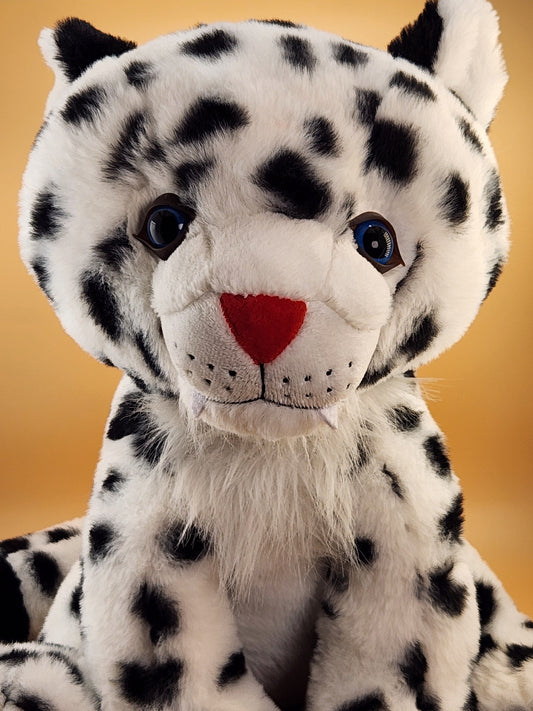
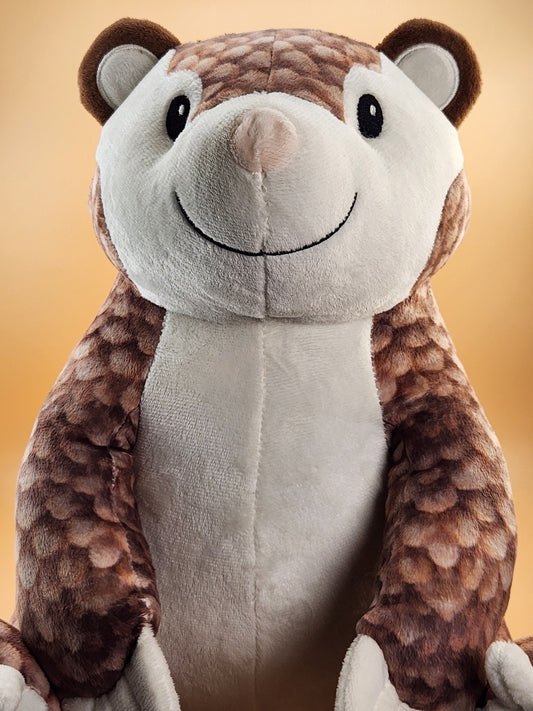
Animal toys are especially useful here because children naturally form emotional bonds with them. A plush red panda, pangolin, or snow leopard can become part of bedtime, storytelling, or comfort after a hard day. That emotional bond creates an opening for gentle learning.
A few examples work well:
- Rescue center play: Children can “care for” toy animals with blankets, pretend food, and rest spaces. This builds empathy and responsibility.
- Habitat matching: Pair animal toys with simple backgrounds like forest, mountain, river, or grassland. Children begin to connect species with place.
- Care routines: Ask what the animal needs to feel safe. Water, space, quiet, family, trees, or clean air are all age-appropriate answers.
A child doesn't need a lecture on biodiversity to start caring about a species. Often, caring starts with a name and a story.
For families wanting ideas in this direction, this article on plush friends inspiring environmental awareness in children offers examples of how soft toys can support conversations about empathy and conservation.
Using animal toys to teach habitat and care
Older children often enjoy adding real-world learning to pretend play. A caregiver might place a globe beside a toy animal and ask where that species lives. The child can then draw a forest, build a mountain den from blocks, or tell a story about what the animal needs to survive.
This kind of play works well in classrooms too. A teacher can create a small “ecosystem shelf” using books, toy animals, leaves, rocks, and maps. The toy becomes a bridge between imagination and knowledge.
A short video can also support that learning moment:
The goal isn't to make play feel like homework. It's to let curiosity lead. When a child starts asking why a snow leopard needs mountains or why a red panda needs forests, the toy has already done something valuable.
A More Conscious Approach to Play
Choosing eco friendly children's toys isn't only about avoiding plastic. It's about seeing the whole picture. Safe materials matter. Long life matters. Honest design matters. The lessons wrapped inside play matter too.
When adults choose toys with care, children absorb more than the object itself. They learn that quality can matter more than quantity, that comfort and responsibility can belong together, and that caring for animals and habitats starts with everyday choices. Small decisions in the playroom can support a gentler future.
Frequently Asked Questions About Eco Friendly Toys
Are eco-friendly toys always more expensive?
Not always, but some do cost more upfront. The more useful comparison is long-term value. A toy that lasts, washes well, and can be handed down often gives a family more use than a cheaper toy that breaks or gets discarded quickly.
How should natural toys be cleaned?
Wooden toys usually do best with a damp cloth and mild soap, followed by thorough drying. Organic cotton toys often need the care instructions checked first, especially if they contain filling or stitched details. Gentle cleaning helps preserve both safety and lifespan.
What should be done with non-eco-friendly gifts?
Families don't need to handle gifts with guilt or conflict. Some rotate them, some reserve them for specific settings like travel, and some donate lightly used items once interest fades. The best approach is often calm and practical.
Why do parents ask so much about disposal and recycling?
Because end-of-life is still one of the least explained parts of toy design. Many parents have concerns about what happens to toys when play ends, yet brands often give very little information about take-back programs, composting feasibility, or textile recycling options for plush toys, as discussed in this overview of earth-friendly toy brand gaps. That missing information matters.
Families looking for toys that connect comfort, wildlife learning, and conservation can explore Snugglebug, a mission-driven plush brand focused on endangered species, educational storytelling, and real-world giving tied to each purchase.