
How to Clean Plush Toys Safely & Effectively
A favorite plush rarely gets dirty all at once. It picks up a little playground dust on Monday, a smear of banana on Tuesday, and a bedtime sneeze by the weekend. Then one day, the toy that goes everywhere suddenly looks tired, smells a little off, and still needs to be hugged at bedtime.
That's usually the moment caregivers start searching for how to clean plush toys without ruining the fur, the stuffing, or the familiar feel that makes the toy comforting in the first place. The good news is that most plush cleaning problems become much easier once the toy is sorted into the right category. Washable, delicate, electronic, vintage-looking, lightly soiled, heavily loved.
Mindful cleaning matters for more than appearances. A careful wash protects softness, keeps the toy usable longer, and helps families avoid replacing items that still have years of comfort left in them. For mission-driven plush companions, that kind of care also supports a gentler, lower-waste approach to childhood belongings.
Table of Contents
- A Well-Loved Friend's First Bath
- Your Pre-Wash Safety Checklist
- Choosing Your Gentle Cleaning Method
- Drying Restoring and Sanitizing Your Plush
- Special Care for Unique Plush Toys
- Frequently Asked Cleaning Questions
A Well-Loved Friend's First Bath
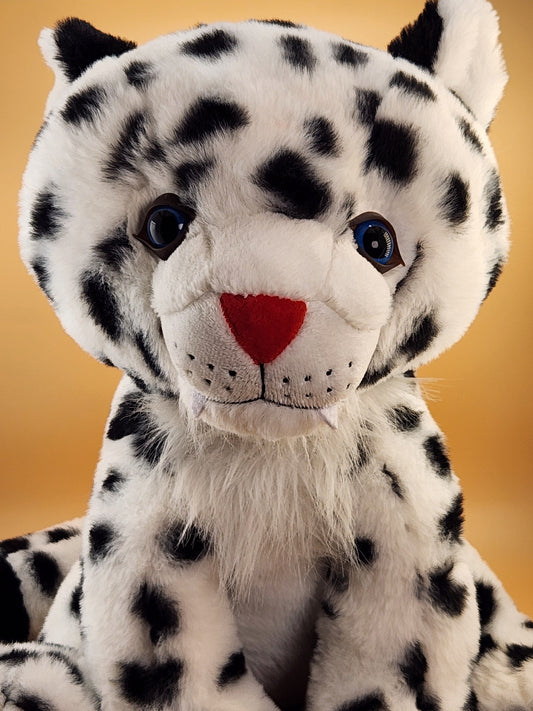
Tashi the Snow Leopard has been to the backyard, the grocery store, a grandparent's house, and probably under the couch. Now there's a brown streak near one paw, a faint snack stain on the belly, and that slightly stale smell that shows up after many bedtime cuddles. Nothing is wrong with the toy. It's only been loved hard.
That's an important shift in mindset. Cleaning a plush toy isn't about stripping away its history. It's about helping it stay part of daily life without carrying yesterday's mess into today's nap, car ride, or classroom bag.
Many caregivers worry about the same thing. If the toy gets washed, will it come back lumpy, scratchy, faded, or sad-looking? That fear makes sense, especially when the plush is a comfort object and not just another item in the laundry.
Plush care works best when it's treated like fabric care plus memory care. Clean the dirt, protect the feeling.
A quick example makes the choice clearer. If a plush has one juice spot on its back, a full wash may be unnecessary. If it was dropped in a muddy puddle, deeper cleaning probably makes sense. If it sings, lights up, or has glued-on details, the safest path changes again.
That's why the best approach to how to clean plush toys starts with a simple question. What kind of plush is this, and what kind of mess does it have?
Once that's answered, the process becomes less stressful. Some toys only need a damp cloth. Some do best with a careful hand-wash. Others can handle a gentle machine cycle and come out fresh, soft, and ready for the next round of adventures.
Your Pre-Wash Safety Checklist
Before any soap, water, or scrubbing begins, the toy needs a short inspection. This step prevents the problems that cause the most regret. Loose seams opening wider. Color bleeding. Fur matting. Hidden batteries getting wet.
Start with the toy, not the stain
A chocolate smudge can feel urgent, but the stain isn't the first thing to study. The toy is.
Look for the care tag first. If it's still attached, it usually gives the clearest answer about whether the plush can be machine washed, surface cleaned, or handled more delicately. If the tag is missing, the toy's materials become the clues. Embroidery usually holds up better than glued-on pieces. Short plush fabric is often easier to clean than long faux fur. A very old toy needs more caution than a newer one.

Four checks before any cleaning begins
- Check for batteries or sound boxes. If the plush has a zipper pocket, sound button, or battery compartment, stop before washing. Toys with electronics or special features usually need spot cleaning instead of soaking.
- Inspect embellishments closely. Sequins, ribbons, felt accessories, plastic noses, and glued-on eyes can loosen in water or friction. A toy with delicate details may survive a damp cloth much better than a full wash.
- Examine seams and weak spots. A tiny hole in the armpit or along the back seam can become a much bigger repair after cleaning. If the plush looks strained at the neck, arms, or tail, mend it first or choose the gentlest method possible.
- Test a hidden area. If there's no tag and the toy's color seems uncertain, dab a small amount of the chosen cleaning mix on an inside seam or hidden patch. If dye transfers or the fabric changes texture, stop and switch to a milder approach.
A practical example helps. Wayne the Whooping Crane may look washable at first glance, but a careful owner would still check the wings, stitching, and any decorative features before deciding what kind of cleaning makes sense.
Practical rule: The more special features a plush has, the less water it should usually meet.
For delicate toys, household guidance has long leaned toward surface-safe, low-moisture methods, plus protective barriers like mesh laundry bags or pillowcases for washable plush. The same guidance often recommends using baking soda for about 15 minutes to reduce odor before brushing it off, which can help when a toy smells stale but doesn't need a full wash yet, as noted in this household plush care guide from Bunnies By The Bay.
Choosing Your Gentle Cleaning Method
A plush does best when the cleaning method matches the mess.
If the toy has one sticky spot, a full wash can be more stress than help. If it has been dragged through the park, slept with for weeks, and smells sour, a quick wipe may not reach the dirt tucked into the fibers and stuffing. Mindful cleaning means choosing the lightest method that still gets the toy completely clean. That protects softness, stitching, and the comfort your child returns to again and again.
This is also where eco-conscious care matters. Using less water, less soap, and less agitation often protects the planet and the plush at the same time.
| Method | Best For | Pros | Cons |
|---|---|---|---|
| Surface spot-cleaning | Minor spills, dust, toys with electronics, delicate trims | Uses very little moisture, fast, targeted | Does not fully refresh the whole toy |
| Hand-washing | Older plush, delicate fabrics, sentimental toys | Gives you the most control, gentler than a machine | Takes more time and careful rinsing |
| Machine-washing | Durable plush with care approval | Simple for all-over cleaning | Agitation can strain weak seams or decorative parts |
Surface spot-cleaning for everyday messes
Spot-cleaning is often the kindest first step. It works well for shelf dust, a small food smear, or the mysterious mark that appeared after a busy afternoon. For mission-driven companions that travel everywhere with a child, this method can keep a plush fresh between bigger cleans without putting the whole toy through repeated washing.
A mild mix of detergent and cold water is usually enough for this job, as noted in this fabric toy cleaning reference from Simple Green. Use just enough moisture to lift the mess. Too much water can push dirt deeper and leave the fabric slow to dry.
Try this gentle routine:
- Dampen a soft cloth. It should feel barely wet, not drippy.
- Blot the soiled area. Press and lift. Repeated hard rubbing can flatten soft pile and fuzz the fabric.
- Use a second cloth with plain water. This removes soap left on the surface.
- Press with a dry towel. That helps pull moisture back out before it settles into the stuffing.
If a stain resists the first pass, let the dampened cleaning solution sit briefly, then blot again. Patience usually works better than force.
Hand-washing for delicate plush
Hand-washing is the middle path. It gives a toy a fuller clean while letting you control pressure, water exposure, and shape the whole time. That makes it a wise choice for older plush, comfort toys with years of love in them, and animals with fabric that still feels soft but no longer feels sturdy enough for a spinning drum.
The process is a lot like washing a wool sweater in a sink. Gentle pressure moves water through the fibers. Twisting and rough scrubbing do the damage.
A careful hand-wash looks like this:
- Fill a basin with cool or cold water.
- Add a small amount of mild detergent. Too much soap creates extra rinsing and can leave the plush feeling stiff.
- Lower the toy in and support it with both hands.
- Press water through the body gently. Focus on dirty areas, but do not scrub the fabric against itself.
- Rinse until the water runs clear and the toy no longer feels soapy.
A plush rabbit with embroidered eyes and a lightly dirty tummy is a good example. You can support the head, clean the body slowly, and keep the filling from shifting into lumpy corners.
Gentle cleaning preserves more than fabric. It preserves the familiar feel that makes a plush reassuring.
Machine-washing for sturdy washable toys
Machine-washing works for plush made to handle it. The label should clearly allow it, and the toy should have strong seams, simple features, and no electronics or fragile trims. If you are unsure what usually qualifies, this guide to machine-washable stuffed animals explains the signs to look for.
Even for sturdy toys, the goal is still restraint. Cold water helps protect fibers and color. A gentle cycle reduces pulling and bouncing. A mesh laundry bag or pillowcase acts like a buffer, reducing friction from the drum, zippers, and other laundry items.
Use this setup for the safest machine wash:
- Cold water
- Gentle or delicate cycle
- Mesh laundry bag or pillowcase
- Small amount of mild detergent
- No high heat
Families often ask one fair question. If the toy seems tough, does it really need the bag?
Yes, in most cases. A plush may look durable on the outside and still have small stress points at the neck, arms, tail, or face. The bag lowers wear during the wash and helps the toy keep its shape.
The best method is the gentlest one that fully solves the problem. That simple rule helps protect your child's health, the toy's softness, and the longer life of a cherished companion.
Drying Restoring and Sanitizing Your Plush
Washing gets most of the attention, but drying decides the final result. A plush can come out of the wash perfectly clean and still end up smelling musty, drying stiff, or matting badly if the moisture stays trapped inside the stuffing.

Drying well is part of cleaning well
Start by pressing out excess water with a clean towel. Don't wring the plush. Twisting can strain seams and bunch the filling into hard clumps.
Then place the toy in a spot with good airflow. Dense plush can take 1–3 days to dry depending on size and stuffing, according to this guide to drying plush fabrics carefully. Rotating the toy as it dries helps prevent damp pockets, especially under the arms, at the base, and in the center of the body.
A few practical choices help:
- Lay or hang with support. The toy shouldn't slump in a way that stretches wet fabric.
- Turn it periodically. Different sides need airflow.
- Use a fan nearby if needed. Better air movement often matters more than extra heat.
- Check the core before returning it to bed. The surface may feel dry while the stuffing is still damp.
Families who need tidier toy organization after cleaning may also appreciate these hanging stuffed animal storage ideas, since breathable storage can help plush stay fresher between washes.
How to restore softness after drying
Once the plush is dry, the fur may need a little grooming. That's normal.
Use a soft-bristled brush or a clean baby brush to lift flattened pile. Short strokes work better than hard brushing. If one patch looks rough, brushing in the direction of the fabric first usually helps before trying to fluff it.
A well-loved bear often dries with the belly fur slightly compressed. A few gentle passes can bring back that cuddly look without pulling fibers loose.
For readers who like a visual walkthrough, this short video gives a helpful demonstration of plush care in action.
When sanitizing helps and when it harms
At this point, many cleaning guides become confusing. People want a toy to feel thoroughly clean, but stronger sanitation methods can damage the toy.
One source notes that 149°F can kill bacteria and mites, but also points out that most plush toys can't tolerate that heat. That creates a real tradeoff between disinfection and fabric safety, as described in this discussion of sanitizing versus preserving stuffed animals.
Key takeaway: For everyday plush, gentler care usually protects both hygiene and longevity better than chasing maximum heat.
In practice, that means standard washing and thorough drying are often the safer baseline for daily-use plush. Strong disinfectants, very hot water, and high dryer heat may sound reassuring, but they can leave synthetic fur rough, damage shape, or shorten the toy's life.
Special Care for Unique Plush Toys
Some plush toys break all the usual rules. They chirp, play lullabies, have internal wiring, wear special trims, or come with keepsake extras that matter almost as much as the toy itself. These are the plush that need the slowest, driest, most deliberate care.
Plush toys with electronics or sound modules
If the electronic part can't be removed, the safest guidance is simple. Spot clean only and avoid submersion.

A careful routine helps keep moisture away from the mechanism:
- Remove batteries if possible. If there's an accessible compartment, take them out first.
- Protect any openings. Battery doors or speaker areas should stay as dry as possible.
- Use a barely damp cloth. Mild soap on cloth first, not directly on the toy.
- Clean in sections. Wipe one small area, then dry that area with a towel.
- Leave extra drying time. Thick plush may still take time to dry internally, so rotate it and brush the fur lightly as needed.
That same consensus around electronic plush care appears in this guide for cleaning stuffed toys with embedded features, which also helps readers think more carefully about fabric behavior and gentle maintenance choices.
A plush bedtime animal with a stitched-in music box is the clearest example. Even if the outer fabric is dirty all over, the answer still isn't soaking. It's repeated spot-cleaning sessions with low moisture.
Decorative details and educational extras
Sequins, faux leather patches, metallic fabrics, and raised embroidery deserve extra caution. Water isn't always the main problem. Rubbing is. A rough sponge can fray decorative stitching faster than a mild detergent ever would.
For those toys, a soft cloth and tiny cleaning area are often enough. Work around the trim instead of across it. If a plush wears a removable shirt, scarf, or cape, clean that piece separately when possible.
For mission-driven plush that arrive with printed educational cards, the card should be removed and stored in a dry place before any cleaning begins. That small habit protects the learning piece, keeps it crisp, and prevents an avoidable paper casualty during a toy refresh.
Older, more detailed plush usually benefit from slower cleaning and more frequent light maintenance instead of occasional heavy washing.
Frequently Asked Cleaning Questions
How can tough stains like ink or grease be handled?
Start with the gentlest option first. Blot, don't spread. Use a small amount of a mild cleaning mix on a hidden spot before treating the stain itself, then work from the outside inward so the mark doesn't expand. If the plush is delicate, repeated light treatments are safer than one aggressive attempt.
What's the best way to clean and store plush toys for a child with allergies?
Keep the routine consistent. Clean favored toys regularly, make sure they dry fully, and store less-used plush in a breathable, dust-limiting space rather than in a damp pile on the floor. If a toy is mostly dusty rather than stained, surface cleaning and deodorizing may be enough before returning it to use.
Can a very old or vintage stuffed animal be cleaned at home?
Sometimes, but caution matters. Vintage plush often has weaker seams, older stuffing, or surface details that don't respond well to water. Spot-cleaning is usually the safest home method. If the toy is fragile or irreplaceable, professional specialty cleaning may be the better path.
How can smoky or musty odor be removed?
First, make sure the smell isn't coming from trapped moisture. If the toy was recently washed, it may need more drying time and better air circulation. For a dry toy with lingering odor, low-moisture deodorizing is often the better first step before washing again.
What if a plush still feels rough after cleaning?
The fibers may need grooming. Let the toy dry completely, then use a soft brush to lift the pile gradually. If the plush still feels stiff, leftover soap may be the reason, which means a light re-rinse on the affected area can help.
Snugglebug creates plush companions that invite children to care for animals, habitats, and cherished belongings with the same gentle attention. Families looking for soft, educational, conservation-minded gifts can explore the collection at Snugglebug.