
Sleeping with a Stuffed Animal: Benefits & Safety Guide
A bedtime scene like this happens in countless homes. A toddler clutches a worn rabbit by one ear. A school-age child lines up three plush animals before turning off the light. An adult reaches for the same soft bear every night after a long, overstimulating day. In each case, the object looks simple, but the comfort is real.
That's why so many caregivers search for answers about sleeping with a stuffed animal. They want to know whether it's normal, whether it helps, when it's safe, and what to do if the attachment seems intense. Those are sensible questions.
The reassuring answer is that plush companions often serve a healthy purpose. They can support bedtime routines, help children manage separation, and give adults a familiar cue that it's time to settle down. The important part is knowing the difference between comfort and risk, especially for babies and very young children.
Table of Contents
- The Comfort of a Cuddly Companion
- The Science of Snuggling Emotional and Developmental Benefits
- Safety First A Guide to Safe Stuffed Animal Use
- How to Choose the Perfect Plush Companion
- The Wash and Care Guide Keeping Companions Clean
- Beyond the Bedroom Therapeutic Uses for Plush Toys
- Comfort Knows No Age Adults and Stuffed Animals
The Comfort of a Cuddly Companion
A stuffed animal often becomes important long before anyone notices it. One child might press a fox to their cheek every night. Another might carry a dinosaur from the car to the couch to bed, as if it were part family member and part bodyguard. The pattern can look small from the outside, but to the child it often feels steadying.
That comfort makes sense. Children live in a world full of transitions they didn't choose. Lights go out. Parents leave the room. School starts. Routines change. A soft toy gives them something familiar to hold when the rest of the moment feels less predictable.
Adults recognize this instinct too, even if they don't always name it. A plush toy can become the “goodnight” signal in the same way a favorite blanket, a bedtime song, or the same lamp dimmed low each evening can. For many families, it helps to think of the toy less as a random object and more as part of a calming ritual.
Simple truth: Comfort objects don't have to be complicated to be helpful.
A child may tell a stuffed owl about a bad dream before they can explain that dream to a parent. A preschooler may tuck in a bear and, in doing so, practice soothing themselves. Families interested in the broader emotional role of plush toys often appreciate this overview of the benefits of stuffed animals for comfort and development.
The key questions aren't whether the attachment is silly or childish. They're whether the toy supports rest, whether it fits the child's stage safely, and whether the routine around it stays flexible and healthy.
The Science of Snuggling Emotional and Developmental Benefits
Some children treat a stuffed animal like a tiny roommate. They talk to it, worry about it, feed it pretend soup, and insist it must come along for bedtime. That behavior isn't random. It reflects a real developmental process.
Why a stuffed animal can feel so powerful
Psychology uses the term transitional object for an item that helps a child bridge the space between total dependence and growing independence. In plain language, it's something that carries a sense of safety when a parent isn't right there.
A stuffed animal works well in this role because it's predictable. It feels the same, smells familiar, and responds with complete consistency. According to Bed Threads' discussion of transitional objects and sleep cues, tactile pressure, warmth, and consistency can lower perceived threat and help the nervous system settle before sleep.

That helps explain a common bedtime scene. A child isn't “spoiled” because they want the same bunny every night. They may be using a familiar sensory cue to shift from alertness to rest.
Three benefits families often notice
Security at separation
Bedtime is a separation moment. So is daycare drop-off, a sleepover, or staying with grandparents. A stuffed animal can make those moments feel smaller and more manageable.
For example, a child who gets teary when a caregiver leaves the room may settle faster if they're invited to “keep Bear company” while falling asleep. The toy becomes a stand-in for familiarity.
Empathy through play
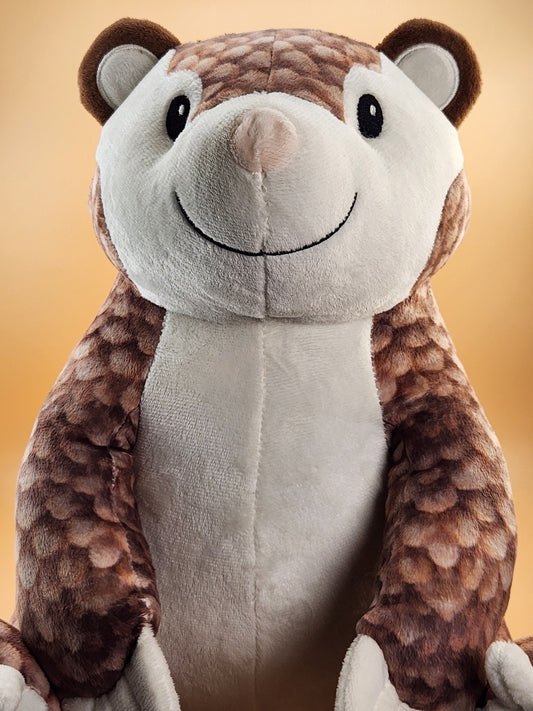
Children often practice emotional understanding through pretend care. They may say, “Paulie the Pangolin is scared,” or “Ruby the Red Panda looks lonely.” That kind of storytelling matters.
When a child comforts a toy, they're also learning to name feelings, imagine another point of view, and rehearse kindness. Adults can support this by asking open questions:
- Try observation first: “Your bunny is hiding under the blanket. Does she seem shy today?”
- Offer a gentle prompt: “What would help Wayne the Whooping Crane feel brave before bed?”
- Follow the child's lead: If the child says the toy needs a hug, a drink, or a song, that response is giving useful emotional information.
A predictable bedtime routine
Routines calm children because they reduce guesswork. Bath, pajamas, story, stuffed animal, lights out. The sequence itself does part of the work.
A toy can anchor that routine in a concrete way. If a child always squeezes the same plush while hearing the last story of the night, the body starts to link that sequence with winding down.
A good comfort object doesn't replace connection with caregivers. It extends the feeling of connection into the child's own coping skills.
Safety First A Guide to Safe Stuffed Animal Use
The emotional benefits matter, but safe sleep comes first. The rules are different for a baby, a toddler, and an older child. That's where many families get confused.
For babies under 12 months
For infants, the rule needs to stay very clear. The sleep space should be bare. No stuffed animals, no loose blankets, no pillows, no soft extras.
That means a plush toy can be part of awake, supervised cuddling or part of the bedtime routine before sleep, but it shouldn't stay in the crib for naps or overnight sleep during the first year.

Non-negotiable rule: Under 12 months, no stuffed animals in the sleep space.
For toddlers and older children
After infancy, the conversation changes from “none at all” to “choose carefully.” A safe plush for sleep should be simple, sturdy, and easy to clean.
A quick checklist helps:
- Check the face: Embroidered eyes and noses are safer than hard pieces that could loosen.
- Inspect the seams: Tug lightly on ears, tails, ribbons, and accessories. If something looks fragile, it doesn't belong in bed.
- Keep size reasonable: A sleep toy should be easy for the child to move around independently.
- Skip electronics: Sound boxes, battery packs, and hard internal pieces make bedtime toys less practical and harder to clean.
- Choose washable fabric: Families dealing with drool, spills, or allergy concerns need a toy that can be cleaned often.
Material matters too. Some caregivers prefer breathable, easy-care fabrics and compare options before buying. This guide to what bamboo fabric is and how it behaves can help when evaluating softness and washability.
A short age guide can make the decision easier:
| Age group | Bedtime stuffed animal |
|---|---|
| Under 12 months | Not for sleep |
| Toddlers | Usually fine if simple and safe |
| Preschool and up | Fine if the toy is intact, age-appropriate, and clean |
Parents sometimes worry that allowing a toddler to sleep with a plush will create a problem later. Usually, the more useful question is whether the toy helps the child settle without creating new safety issues.
How to Choose the Perfect Plush Companion
The cutest toy on the shelf isn't always the best bedtime companion. Some plush animals look wonderful in a gift bag but don't hold up to nightly hugging, repeated washing, or life in a backpack.

Look for this not that
A good choice tends to be boring in the best way. It's soft, durable, washable, and free of fussy add-ons.
Here's a practical comparison:
- Look for lasting seams. A toy that survives tugging, dragging, and frequent bedtime squeezing will stay safer and more comforting.
- Not oversized novelty shapes. Huge plush toys can be fun for playrooms, but they're less useful in bed and harder to clean.
- Look for simple features. Embroidered faces and soft bodies age better than glitter, plastic trim, or decorative accessories.
- Not heavily embellished designs. Sequins, bows, and dangling pieces often wear out fast.
- Look for washable fabric. The best sleep companion is the one caregivers won't hesitate to clean.
- Not “spot clean only” if it's meant for bedtime. That label often becomes frustrating after the first stomach bug or runny nose.
A short product demo can help families see what construction details matter before buying:
The best choice is often the one a child returns to
Children rarely pick favorites for adult reasons. They don't usually care whether a plush matches the nursery. They care about feel, familiarity, and personality.
One child may love a floppy animal that molds easily into the crook of an arm. Another may prefer a small, upright plush that can “sit and listen” during stories. A child who becomes fascinated by real animals may connect more profoundly with a plush that represents a species they can learn about over time.
The right bedtime toy is the one that feels easy to love and easy to live with.
That's why gift buyers and caregivers often do better when they think beyond appearance. The strongest choice is usually not the flashiest one. It's the plush that stays soft after washing, fits comfortably into a bedtime routine, and invites a lasting bond.
The Wash and Care Guide Keeping Companions Clean
A beloved stuffed animal spends time on floors, in cars, at daycare, and against sleepy faces. Cleaning matters, especially when a toy joins the bedtime routine every night. Many caregivers avoid washing a favorite plush because they're worried it will come out lumpy or damaged, but a simple routine usually prevents bigger problems.

Families looking for options that are easier to maintain often start with plush toys designed for regular laundering, such as these examples of machine washable stuffed animals.
Machine washing step by step
For sturdy plush toys, machine washing is often the simplest route.
- Check the tag first. The manufacturer's care instructions should guide the process.
- Protect the toy. Place it inside a mesh laundry bag or pillowcase to reduce pulling and friction.
- Use a gentle setup. Cold water and a mild detergent are usually the safest combination.
- Choose a delicate cycle. Lower agitation helps preserve shape and stitching.
After washing, drying matters just as much as cleaning.
- Air dry when possible. This helps preserve softness and avoids heat damage.
- If using a dryer, keep heat off or very low. High heat can warp fabric, mats fur, or affect internal stuffing.
Spot cleaning for delicate toys
Some plush companions need a lighter touch, especially if they have delicate trim or firmer internal parts.
A simple spot-clean method works well:
- Dampen a cloth with cool or lukewarm water.
- Add a small amount of mild soap.
- Blot, don't scrub. Focus on the stained area.
- Wipe again with plain water to remove soap residue.
- Press with a dry towel and let the toy air dry fully.
A family can make this easier by building it into the week. If a child always brings Bunny to school on Monday and to bed every night, a quick Friday inspection becomes routine instead of a crisis.
A clean toy is more than a neatness issue. It helps protect the child's sleep space from buildup, odors, and the “too grimy to wash, too loved to replace” problem that sneaks up over time.
Beyond the Bedroom Therapeutic Uses for Plush Toys
A plush toy can do much more than sit on a pillow. In the hands of a child, it becomes a rehearsal partner, a feeling translator, and a safe stand-in for hard conversations.
A doctor visit rehearsal
A child who fears an upcoming checkup may resist any direct explanation. Adults can lower the pressure by making the stuffed animal the patient.
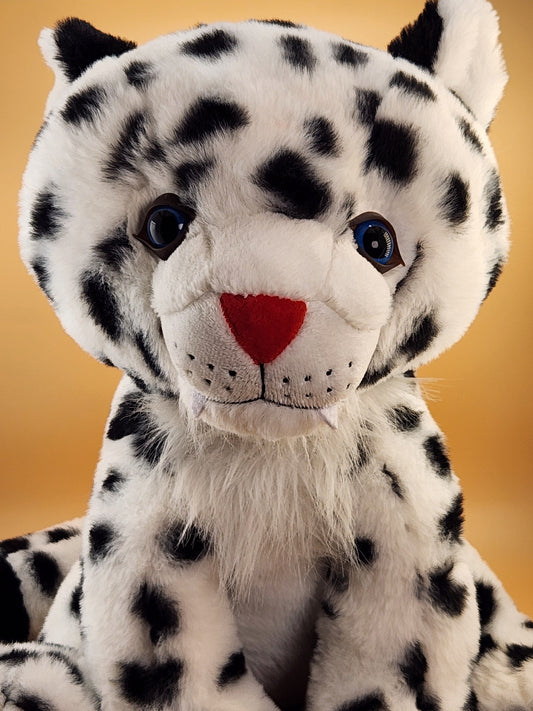
One caregiver might say, “Tashi the Snow Leopard has a doctor appointment today. Who should listen to Tashi's heart first?” The child gets to lead. They may use a toy stethoscope, give the plush a pretend shot, and announce that Tashi was brave.
This kind of role-play helps because the child isn't being asked to talk about their own fear immediately. They can project it onto the toy, then solve it from a position of control.
A school worry conversation
School worries often come out sideways. A child may complain about socks, refuse breakfast, or become unusually clingy. A stuffed animal can open a gentler path.
A caregiver might notice, “Ruby the Red Panda looks worried about the first day of school.” Then pause. The child may answer, “Ruby doesn't know where to sit.” Now the underlying concern is on the table.
Useful follow-up questions include:
- Ask about the toy, not the child: “What would help Ruby at lunchtime?”
- Offer choices: “Should Ruby bring a note, hold a small pocket toy, or practice saying hello?”
- Rehearse the moment: Let the child act out the classroom routine with the plush.
Sometimes a child can say through a toy what they can't yet say directly.
A calm-down partner at night
Some children become dysregulated at bedtime because their bodies are tired but their minds are still racing. A plush toy can support calming routines in a very practical way.
Independent reporting summarized by The Skimm on adults sleeping with stuffed animals and self-soothing notes a plausible mechanism from stress physiology. A soft, familiar object can signal safety, reduce nighttime vigilance, and promote relaxation, which may shorten the time it takes to fall asleep.
That idea can be adapted for children without turning the toy into magic. For example:
- Breathing buddy: The child places the plush on their chest and watches it rise and fall for five slow breaths.
- Worry holder: The child tells the toy one worry, then places it beside the pillow as a signal that the worry can rest too.
- Story anchor: The same plush appears in the same brief bedtime story each night, creating a repetitive cue for calm.
These uses work best when adults treat the toy as a support, not a cure-all. The plush helps carry a routine. The routine helps the child settle.
Comfort Knows No Age Adults and Stuffed Animals
Many adults assume sleeping with a stuffed animal is something people should outgrow. The evidence doesn't support that assumption. A widely cited 2017 Build-A-Bear and Atomik Research survey found that 40% of adults reported still sleeping with a stuffed animal, according to Sleep.com's coverage of adult stuffed animal use and transitional objects.
That single finding changes the tone of the conversation. This isn't an odd secret held by a tiny fringe group. It's a mainstream comfort behavior in a major consumer market.
Why adults do this too
The psychology isn't as mysterious as it sounds. Adults face the same basic nervous system task at bedtime that children do. They need to shift from alertness to safety.
A familiar plush can help by offering consistency. It feels the same at the end of a hard day, after travel, during grief, in a new apartment, or in a season of loneliness. Some adults connect strongly to nostalgia. Others like the tactile comfort of holding something soft while falling asleep.
There's also a life-span perspective worth keeping in mind. The need for soothing doesn't disappear with age. It just changes form. One person reads the same novel every winter. Another uses a weighted blanket. Another sleeps with a stuffed bear.
A balanced view matters here. The healthiest pattern is usually flexible. The plush supports rest, but the adult can still travel, sleep elsewhere, or cope when the object isn't available.
When comfort becomes something to watch
Comfort is healthy. Rigid dependence can become a problem.
Bed Threads' reporting on comfort objects notes that concern becomes more clinically relevant if the absence of the object causes distress or interferes with relationships, work, travel, or the ability to fall asleep independently, as covered earlier in the article. That distinction is useful for adults and caregivers alike.
A few questions can help someone gauge the difference:
- Is it supportive or required? A helpful comfort object is different from one that feels impossible to be without.
- Does it limit normal life? If someone avoids trips, overreacts to temporary absence, or can't settle at all without the toy, it's worth paying attention.
- Is it covering a bigger issue? Severe anxiety, trauma symptoms, breathing-related sleep problems, and persistent insomnia need direct care. A plush toy isn't a treatment for those conditions.
For many adults, though, the answer is much simpler. Sleeping with a stuffed animal is just one kind of ordinary self-soothing. If it helps a person feel calmer, safer, and more settled at bedtime, there's no reason for shame to enter the picture.
Families who want a plush companion that feels meaningful as well as comforting can explore Snugglebug, where each stuffed animal is designed to spark connection, curiosity, and care for wildlife while still being made for everyday cuddles.