
Animal Research for Kids: Practical Projects for Parents
A child spots a pangolin plush on a shelf and asks the obvious question: what does this animal really eat, where does it live, and why do people care about it? That small moment can turn into a rich animal research for kids project, because children learn faster when they can touch, ask, sort, and explain what they find. With the right structure, a simple animal topic becomes a lesson in curiosity, empathy, source-checking, and careful thinking.
Parents and teachers often want an activity that feels playful but still teaches real skills. This guide offers that path, with practical topic choices, source-evaluation habits, easy research templates, safety and ethics basics, and a creative way to use plush animal characters as research partners. It also connects animal facts to conservation in a child-friendly way, so the project stays hopeful instead of heavy.
Table of Contents
- Introduction to Animal Research for Kids
- Selecting Engaging Research Topics
- Evaluating Reliable Kid Friendly Sources
- Designing Research Templates and Activities
- Addressing Ethics and Safety Guidelines
- Using Plush Toys to Boost Engagement and Empathy
- Conclusion and Next Steps
Introduction to Animal Research for Kids
Animal projects work best when they begin with something a child already cares about. A plush pangolin, a picture book tiger, or a zoo visit can all open the door to research that feels real, not forced. The point is not to memorize facts as fast as possible. The point is to help children notice patterns, compare sources, and connect animal life to bigger ideas like habitat, medicine, and care.
That bigger picture matters. Animal research has a long educational and scientific history, and in Great Britain alone, the government reported 2.64 million procedures involving animals in 2024. Official guidance explains that modern research follows the Three Rs, Replacement, Reduction, and Refinement, to limit animal use and suffering, and over 97% of procedures involve mice, fish, rats, and birds Understanding Animal Research. Those facts help children see that animal research is not a random classroom topic, it sits inside a regulated science and ethics conversation.
Children also need a simple way into the topic. That is where well-chosen questions, picture-supported note pages, and a small research companion can help. With the right setup, kids can move from “What is this animal?” to “How do I know this source is trustworthy?” and “What can people do to help?” without feeling overwhelmed.
Selecting Engaging Research Topics
A good topic starts with a child's real interest, then narrows into something searchable. A child who loves stripes might pick a zebra. A child who likes winter clothes might choose a snow leopard. The strongest topics usually come from a mission-style question, because a question gives the research a job instead of leaving it vague.
Start with a mission-style question
A focused question keeps the search manageable. “How does a snow leopard stay warm?” is better than “Tell me about snow leopards,” because it points the child toward habitat, body features, and behavior. That kind of question also fits the classroom pattern of choosing a topic early, completing research by day 10, and presenting in the final week of a 3 to 4 week project window Edu.com.
Practical rule: If a child can't answer the question in one sentence, the topic is probably too broad.
A simple shortlist exercise helps too. Ask the child to name three animals they already like, then sort them by traits such as most surprising fact, favorite color pattern, or most interesting habitat. That kind of sorting keeps the choice playful while still steering it toward researchable ideas. Teachers can also link the animal to a science unit, reading theme, or local conservation unit so the project serves classroom goals instead of floating on its own.

Keep the timeline short and visible
A visible timeline reduces drift. Classroom guidance commonly uses a 3 to 4 week schedule, with animal selection by day 3, research finished by day 10, and presentations in the final week Edu.com. That structure helps children stay inside the project instead of wandering from one animal fact to another.
The best results usually come from tight prompts. Broad directions like “research an animal” often produce scattered notes and vague searching, while mission-style questions and one-fact-per-note systems improve focus and accuracy Edu.com. A parent can simplify this even more by giving two or three animal choices and asking the child to explain which one sounds most fun and why.
If the project feels too big, shrink it. One animal, one question, one short presentation is enough for a strong first experience.
Evaluating Reliable Kid Friendly Sources
Children often trust the first page that looks colorful or friendly. That is why source checking has to be taught directly, not assumed. Many kid-focused animal research pages list good starting points like National Geographic Kids, Britannica Kids, San Diego Zoo Wildlife Explorers, and World Wildlife Fund, but the primary gap is teaching children how to judge whether a source is reliable, age-appropriate, and scientifically current Onslow County Schools.
Teach four source checks
A child can learn four basic checks without jargon.
- Who wrote it? Look for author names, expert groups, or a clear organizational owner.
- When was it published? Older animal facts can go stale, especially when conservation status changes.
- Does it show evidence? Good sources point to references, images with captions, or linked reports.
- Does another trusted source agree? If two pages disagree, compare them with a scientific database or a recent report.
Those checks matter because child-friendly sites sometimes simplify too much or repeat outdated claims. A page can still be useful for a child and still need verification. That is why the adult guiding the project should model how to pause, compare, and ask, “What proof is this fact built on?”
When two websites disagree, the safest move is to check a more current scientific or institutional source before writing the fact down.
Log sources like a real researcher
Kids should also record where each fact came from, not just the fact itself. One school research guide says a website citation should include the author, article title, date, and retrieval information, and images deserve similar care SCDiscus. That habit teaches traceability. It also stops the common problem of children remembering a fact but forgetting where they found it.
A short source log can be as simple as:
- Source name
- Page title
- Date checked
- Fact used
- Image used, if any
This is the moment to slow down and say that research is not just collecting facts. It is collecting facts in a way another person could check later.

Designing Research Templates and Activities
Children do better with research when the page tells them what belongs where. Blank paper can feel exciting for adults and confusing for young learners. A simple template turns the project into a guided path, so kids spend more energy thinking about the animal and less energy guessing how to organize notes.
Build the template around four evidence categories
A practical workflow for young children starts with an entry event, then sorts questions into body features, habitat, diet, and life cycle, before moving into shared inquiry, picture-and-word note-taking, review, and presentation Roots and Wings Kindergarten. Those four categories are easy to understand because they match the kinds of questions children naturally ask. What does it look like? Where does it live? What does it eat? How does it grow?
A template can reflect those categories with four boxes on a page. Add a small sketch area beside each box, and ask for one fact per box. That rule keeps notes from turning into copied paragraphs, and it helps children learn to separate details instead of stuffing everything into one long sentence.
Use an animal passport journal
A strong child-friendly format is an Animal Passport Journal. Each page can hold the animal's name, a drawing, a habitat note, a food note, and one “surprising fact” box. The child can stamp or color each page as the research moves forward, which makes the process feel like a collection rather than homework.
A simple classroom table can help adults choose the right version.
| Template Name | Purpose | Example Usage |
|---|---|---|
| Animal Passport Journal | Organize facts in small, visible sections | A child draws a pangolin, then fills in habitat, diet, and body features |
| Four-Box Notes Page | Keep research focused | A student writes one fact in each category during guided reading |
| Museum Label Card | Prepare a short presentation | A child presents the animal as if it were in a mini exhibit |
Shared inquiry time matters here. Children can compare notes, ask what another child found, and notice when a fact is missing or unclear. That peer feedback often catches errors before the final presentation.
For families who want a ready-made example of how animal behavior can support this kind of structure, an internal resource like animal behavior learning can sit beside the child's own notes as a model of how facts and observations work together.
Addressing Ethics and Safety Guidelines
Animal research for children should include ethics from the start, not as an extra lecture at the end. Kids do not need a long speech about policy to understand that living creatures deserve care. They do need clear language that connects science, respect, and safe behavior.
Make the Three Rs child-friendly
The Three Rs are Replacement, Reduction, and Refinement, and they guide research so animals are used more carefully Understanding Animal Research. For older children, those words can be explained directly. Replacement means choosing another method when possible. Reduction means using fewer animals. Refinement means changing methods so animals experience less stress or harm.
Younger children do not need the vocabulary first. They can start with a simpler idea, respect for animals and care for living creatures. A child can understand that people should not scare animals, should not litter in habitats, and should talk about wildlife with kindness. That is enough to build the habit of ethical thinking before the formal terms arrive.
The UK data helps put this in context. Great Britain reported 2.64 million procedures involving animals in 2024, and over 97% involved mice, fish, rats, and birds Understanding Animal Research. That concentration can help adults explain why research is often discussed through a few familiar species rather than through the entire animal kingdom.
Keep home and classroom safety simple
Safety is part of good research, even for a small project. Children should wash hands after handling craft materials, use scissors and glue with supervision, and browse the internet only with an adult nearby. A poster on the wall helps because it turns rules into reminders instead of warnings.
One classroom ended each presentation with a respect circle, where children thanked one another for careful listening and gentle animal language. Another class made a safety poster before research began, then checked it before every work session. Those small routines gave students a shared standard and reduced off-task behavior.
The same idea applies at home. Keep materials in one place, use short sessions, and stop while the child still feels interested. Research stays safer, calmer, and more accurate when the adult controls the setup.

For families who want to extend the conversation into citizenship and responsibility, global citizenship education fits naturally beside these ethics lessons.
Using Plush Toys to Boost Engagement and Empathy
A plush animal can do something a worksheet can't. It gives a child a face, a name, and a reason to care. That matters in animal research, because empathy keeps the project from becoming a list of disconnected facts.
Start with a plush ambassador
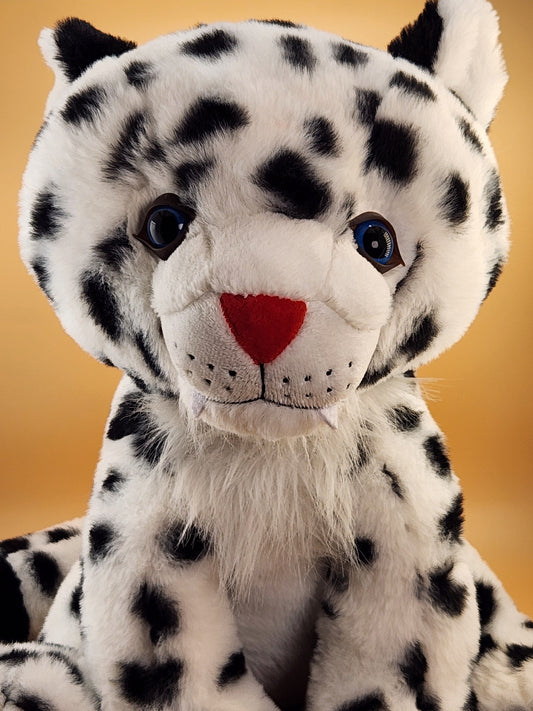
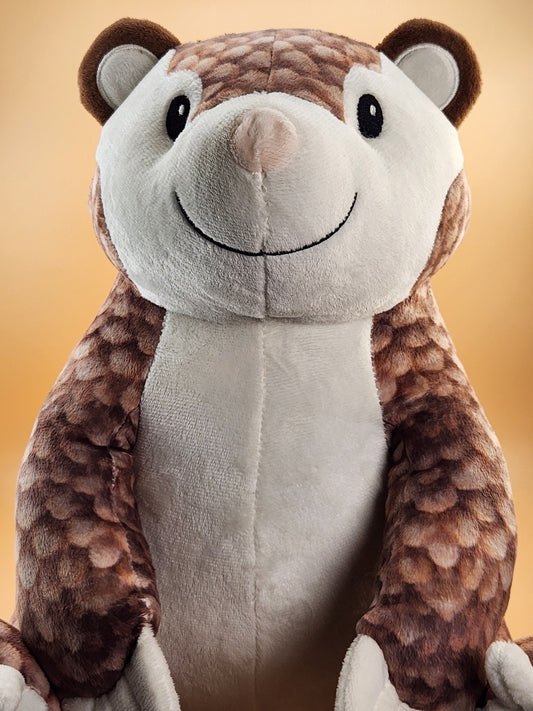
A simple kickoff works well. Each child chooses a plush animal as a research ambassador, listens to its fact card, and then begins looking for real-world information about that species. A pangolin plush can prompt questions about scales and diet. A snow leopard plush can lead to a discussion about mountain habitats and cold weather.
Snugglebug's species-based plush toys fit that model because they are tied to real animals and come with educational information. Paulie the Pangolin and Tashi the Snow Leopard are two examples that can move from comfort object to research partner without making the lesson feel forced. Used this way, the plush stays part of the learning process, not a distraction from it.
Connect facts to action, not doom
Children need hope, not panic. Many animal resources mention conservation, but they often skip the trade-offs that adults need to explain carefully. Real conservation talk can include habitat loss, human-wildlife conflict, and modern tracking tools like drones and AI, without turning the lesson into bad news SpeedyPaper.
That makes the plush useful in a different way. The child can ask, “What makes this animal vulnerable?” and then answer with a fact, a drawing, and one small action idea, like protecting habitat or sharing a story with family. The goal is to move from admiration to thoughtful care.
A plush works best when it becomes the child's voice for curiosity, not a substitute for the research itself.
For families looking for a broader play-based extension, fun and educational activities with stuffed animals gives a natural next step for mixing comfort, storytelling, and learning.
Conclusion and Next Steps
Strong animal research for kids follows a clear path. A child chooses a focused topic, checks reliable sources, uses a simple template, keeps safety and ethics in view, and shares the results in a short presentation. Along the way, the project builds more than animal knowledge. It builds attention, source awareness, empathy, and confidence.
The easiest reflection questions are also the most useful. What surprised the child most? Which source felt easiest to trust? Did the plush ambassador help the child understand the animal as a real living creature, not just a picture? Those answers can guide the next project and show which supports worked best.
Families and educators can keep going with stronger templates, conservation group websites, and child-friendly journal activities that extend the learning beyond one animal. Photo stories, classroom gallery walls, and short presentation clips can also help other children see what thoughtful research looks like in practice.
A CTA for Snugglebug.