
Best Toys for 4 Year Old: A Parent's Guide
A parent stands in the toy aisle, phone in one hand, gift list in the other, staring at shelves full of noisy plastic, puzzles, dress-up sets, art bins, and stuffed animals. Everything claims to be fun. Much of it claims to be educational. Very little makes it clear why one toy is a better fit for a 4-year-old than another.
That's where a more useful question helps. Instead of asking, “What toy is popular?” it helps to ask, “What kind of play does this child need right now?” At four, children are changing quickly. They're talking more, pretending more, noticing rules, solving simple problems, and testing what their hands and bodies can do.
The strongest toys for 4 year old children don't just fill time. They give practice with attention, language, coordination, cooperation, and imagination. They also feel personal. A toy can be developmentally appropriate and still miss the mark if it doesn't connect with the child's interests.
Table of Contents
- Your Guide to Choosing the Right Toys for a 4 Year Old
- Understanding the World of a 4 Year Old
- The 5 Key Toy Categories for a Preschooler's Growth
- How to Match Toys to Your Child's Unique Interests
- A Non-Negotiable Guide to Toy Safety and Durability
- Teaching Empathy Through Purposeful Play
- Smart Gift Giving for Grandparents and Friends
- The Best Toy is an Invitation to Grow
Your Guide to Choosing the Right Toys for a 4 Year Old
A four-year-old lives in a world that feels bigger every week. One day the child is lining up toy animals by color. The next day those same animals are running a bakery, rescuing a friend, or taking turns in a made-up school. That mix of curiosity and confidence is why toy choice matters so much at this age.
Many adults get stuck between two mistakes. They either buy something too simple because it looks safe and familiar, or they jump too far ahead and choose a toy that frustrates the child. The sweet spot sits in the middle. A good toy for this age gives the child something to figure out, but not so much that play turns into quitting.
Practical rule: The right toy should invite action within a minute or two. If a child can start playing, experimenting, or pretending quickly, the toy is usually pitched well.
A useful way to shop is to look at four filters:
- Developmental fit. Does the toy match what a 4-year-old is practicing right now, such as sorting, storytelling, building, drawing, or taking turns?
- Play value. Can the toy be used in more than one way? Blocks can become towers, roads, animal homes, or letters.
- Interest match. Does the child love trucks, animals, music, costumes, or solving little challenges?
- Safety and staying power. Can the toy handle being dropped, dragged around, hugged, washed, or played with every day?
That approach makes shopping much calmer. Instead of scanning hundreds of products, the buyer starts to notice what each toy does for a child. A simple board game supports turn-taking. A set of chunky art supplies supports hand control. A pretend doctor kit can help a child work through worry and empathy at the same time.
Understanding the World of a 4 Year Old
At four, play looks more organized than it did in the toddler years. Children still love repetition, but they also want purpose. They want the puzzle completed, the block tower balanced, the pretend dinner served, the story acted out all the way to the end.

What changes at four
Major child-development guidance for this age highlights toys that support sorting, matching, letter and number recognition, and cooperative play. It also notes that children this age can handle more complexity than toddlers can, including puzzles with 20 to 30 pieces from age 4 according to Seattle Children's guidance cited here. That one detail tells parents a lot. A four-year-old is ready for a challenge that requires attention, comparison, and persistence.
Language is also expanding quickly. Many 4-year-olds ask constant “why” questions, tell long stories, and explain what happened in their own words. That's why puppets, dress-up clothes, play kitchens, animal figures, and dollhouse setups often become powerful tools. They don't just entertain. They give children something to talk through.
Socially, four-year-olds begin to care more about shared play. They may still struggle with losing or waiting, but they can start learning the structure of games, turns, and simple group rules. A matching game or picture bingo set works well because it blends fun with patience and cooperation.
Why toy complexity matters now
Physical control is changing too. Hands are steadier. Fingers are better at pressing, pinching, twisting, stacking, and drawing. That's why preschool art materials, larger interlocking building toys, and beginner lacing or bead activities can hold attention longer than they did a year earlier.
A quick comparison helps:
| Developmental area | What it often looks like in play | Useful toy examples |
|---|---|---|
| Cognitive growth | Matching, noticing patterns, solving simple problems | Puzzles, shape sorters, memory games |
| Language | Telling stories, naming details, asking questions | Puppets, pretend play sets, books with props |
| Social-emotional | Sharing roles, practicing turn-taking | Simple board games, kitchen sets, dolls |
| Fine motor | Better grip and control | Crayons, dough tools, building sets |
A toy that seems “basic” to an adult may be doing sophisticated work for a 4-year-old if it supports attention, sequencing, and pretend thinking.
That's why the phrase toys for 4 year old shouldn't mean “anything labeled preschool.” It should mean toys that match a very active stage of growth.
The 5 Key Toy Categories for a Preschooler's Growth
A child doesn't need every trendy toy. A child does benefit from a balanced play diet. Different toy categories give practice with different skills, and together they create richer days.

A balanced play diet
Creative and artistic play supports expression and hand control. Think washable crayons, child-safe scissors, modeling dough, sticker scenes, and large paint sticks. A child drawing “a family at the beach” is also practicing planning, grip, and storytelling.
Building and construction toys support spatial thinking and patience. Wooden blocks, larger interlocking bricks, magnetic building pieces, and simple marble-run style sets all work well if they're built for preschool hands. A child may start by stacking randomly, then move into bridges, garages, zoos, or castles.
Imaginative and pretend play helps children rehearse real life. A doctor kit can help with fear around checkups. A play kitchen can turn into a restaurant with menus and turn-taking. Animal figures can become a safari, a rescue station, or a bedtime routine.
Examples that make shopping easier
Puzzles and logic games are excellent for children who like finishing tasks. Simple matching games, picture bingo, and beginner board games add one extra layer because they require rules. Families looking for more ideas in that direction can browse educational toy ideas for kids.
Outdoor and active play matters just as much as tabletop play. Balls, stepping stones, balance toys, ride-on toys, and backyard digging tools let children test strength, coordination, and confidence. Some children regulate their emotions better after big body play than after sitting activities.
A short checklist can help a buyer spot gaps:
- If a child has mostly screen-like toys, add something open-ended such as blocks or art materials.
- If a child has many quiet toys, add movement such as a ball, tunnel, or scooter.
- If a child plays alone often, add a turn-taking game or pretend set with shared roles.
- If a child loves comfort objects, consider a plush or soft toy that can also support conversation and storytelling.
Variety matters more than novelty. A home with a few strong categories often supports better play than a room packed with one type of toy.
How to Match Toys to Your Child's Unique Interests
Two children can be the same age and need very different toys. One wants to build garages for toy cars. Another wants to dress stuffed animals and host a birthday party for them. Both are learning. They're just learning through different routes.
Watch the child, not just the box
A useful study on toy use found that about 19% of toys were used outside the manufacturer's suggested age range because researchers judged them to be developmentally appropriate for a different age, which supports the idea that toy choice should reflect actual skill and interest, not only packaging labels. The same study also found that children were slightly more likely to play with age-appropriate toys than younger-designed toys. Those findings appear in this peer-reviewed research on children's toy use and age appropriateness.
That helps clear up a common confusion. Age labels matter for safety, but they don't tell the whole story about engagement. A child who concentrates for long stretches may be ready for more involved building or puzzle play. A child who gets overwhelmed easily may do better with simpler pieces and more open-ended materials.
Four simple play profiles
Parents and caregivers can become quiet observers for a few days. Patterns show up fast.
- The builder likes stacking, lining up, fitting pieces together, and fixing things. Good matches include blocks, magnetic tiles, larger construction sets, and simple tool benches.
- The storyteller turns everyday objects into characters and plots. Good matches include dolls, animal figures, puppets, costumes, play kitchens, and small world scenes.
- The maker enjoys drawing, cutting, squishing, stamping, and decorating. Good matches include crayons, dough, collage materials, stamps, and beginner craft trays.
- The explorer loves animals, nature, vehicles, maps, and “how things work.” Good matches include bug viewers, toy trucks, habitat play sets, beginner science materials, and themed puzzles.
A few observation questions make the process easier:
- What does the child do without prompting?
- What topics come up in pretend play?
- Does the child prefer movement, making, building, or talking?
- What toy gets replayed in new ways instead of used once and abandoned?
The best toys for 4 year old children often feel like a continuation of what the child is already trying to do.
A Non-Negotiable Guide to Toy Safety and Durability
A toy can be creative, beautiful, and developmentally smart, but if it breaks easily or has unsafe construction, it doesn't belong in a 4-year-old's hands. Preschoolers play hard. They drop things, chew on corners, drag toys across floors, and carry favorites everywhere.

What to check before buying
The National Association for the Education of Young Children recommends toys that are well-made, have no sharp parts or splinters, use nontoxic, lead-free paint, and are shatter-proof. It also notes that electric toys should be UL Approved. Those safety points appear in this NAEYC toy safety guidance for young children.
That guidance becomes very practical in a store aisle.
- Check edges and surfaces. Wood should feel smooth. Plastic shouldn't crack or feel brittle.
- Look at seams on plush toys. Tight stitching matters because soft toys get squeezed, tugged, and slept with.
- Choose washable materials when possible. Four-year-olds bring toys to the table, the couch, the car, and sometimes outdoors.
- Be cautious with electronic extras. Lights and sounds can be fun, but they don't compensate for weak construction. Families exploring lower-waste options may also like this guide to eco-friendly children's toys.
How durability affects daily play
Durability isn't only about safety. It affects how a child uses the toy. A sturdy toy invites freedom. A child will build taller, pretend harder, and cuddle longer if the toy doesn't feel fragile.
A quick store test can help:
| Checkpoint | Why it matters |
|---|---|
| Seams, joints, and hinges | These points loosen first during rough play |
| Paint and finish | Safer finishes matter because young children still put objects near their mouths |
| Washability | Favorite toys get dirty fast |
| Stability | Wobbly parts frustrate children and shorten play |
Choose toys that can survive ordinary preschool life. If an adult feels nervous handing it over, the toy probably isn't built for this age.
Teaching Empathy Through Purposeful Play
Soft toys are often treated as extras, but for many four-year-olds they're central characters in daily life. A plush can become a patient, a classmate, a travel buddy, or the one friend allowed at bedtime. That emotional role creates an opening for something bigger than comfort.

How a plush toy becomes a teaching tool
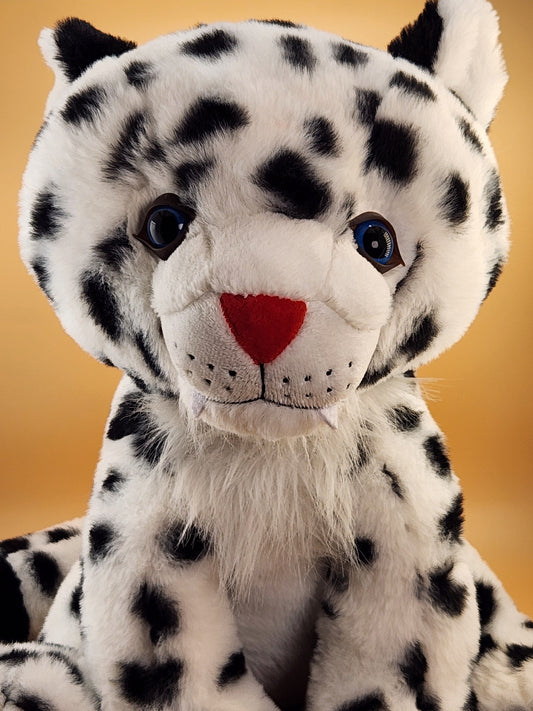
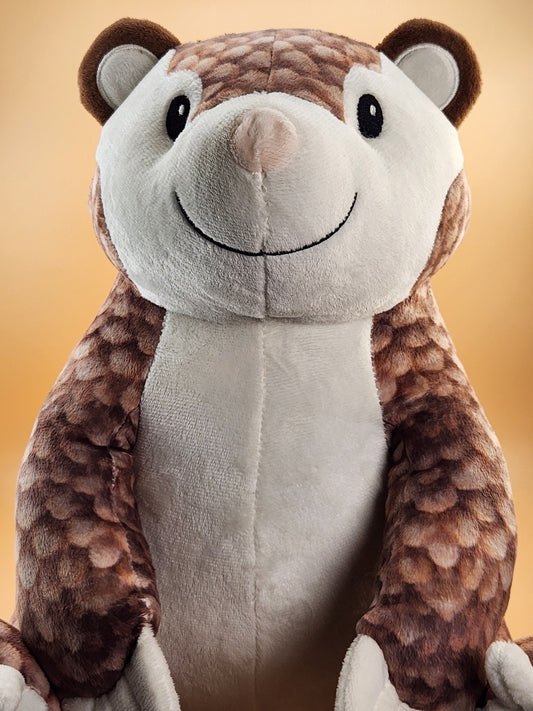
When a child cares for a toy, the child practices care itself. Tucking in a plush, making pretend food, or noticing that a toy looks “sad” all build early empathy. Adults can gently widen that moment. A red panda plush can lead to talk about forests. A snow leopard plush can lead to talk about mountains, weather, and animal homes. A pangolin plush can spark curiosity because many children have never seen one before.
That's where mission-driven toys can add meaning. One example is pretend play toy ideas from Snugglebug, a plush brand built around endangered animals such as Paulie the Pangolin and Ruby the Red Panda. Each plush is paired with an educational card, which gives adults a concrete prompt for conversation instead of leaving the lesson vague.
A child doesn't need a lecture on conservation. A four-year-old needs a story, a relationship, and a simple action. “Where does Ruby sleep?” “What would Paulie eat?” “Should this animal's home stay clean and safe?” Those are preschool-sized questions, and they still teach real values.
Simple prompts that deepen play
A short routine can turn purposeful play into a habit.
- At bedtime. Ask, “What did the animal friend need today?”
- During pretend play. Add a habitat from blankets, blocks, cardboard, or couch cushions.
- During reading time. Pair the plush with a library book about animals, forests, mountains, or caring for living things.
- During cleanup. Let the child “help the animal home” by sorting accessories, food pieces, or small props into baskets.
This short video can help families think about play as a bridge to learning.
Small rituals matter. When a child repeatedly practices caring language in play, that language starts to shape how the child thinks about other people, animals, and the world.
That's what makes purposeful toys different. They don't just entertain the child in the moment. They help the child rehearse kindness, curiosity, and responsibility in ways that feel natural.
Smart Gift Giving for Grandparents and Friends
Gift buyers who don't live with the child often face the same problem. They want something memorable, but they don't want to add clutter or accidentally buy a duplicate toy that ends up hidden in a closet.
Helpful ways to avoid clutter and duplicates
A grandparent shopping for a birthday might choose a giant toy set because it looks exciting, while the parents wonder where it will go. A friend may buy a noisy gadget that holds attention for ten minutes and then disappears under the couch. Thoughtful gifts usually come from a narrower approach.
- Ask what the child already loves. A quick question such as “animals, art, building, or pretend play?” gives much better direction than “What should be bought?”
- Choose one meaningful item instead of several small ones. A strong puzzle, a durable doctor kit, or an educational plush often lands better than a bag of novelty toys.
- Consider consumable gifts. Large paper pads, washable markers, sticker books, and dough supplies get used up rather than stored forever.
- Think beyond objects. Zoo tickets, museum passes, or a planned outing can support the same curiosity toys do.
- Look for toys that grow with the child. Blocks, animal figures, dress-up pieces, and art materials tend to stay useful because the play becomes more elaborate over time.
One simple scenario shows the difference. A family friend gives a child three random battery toys. The child tries each one, then moves on. Another friend gives a soft animal toy with a book about habitats. That second gift is easier to remember, easier to store, and easier for the family to build on.
The warmest gifts usually say, “Someone paid attention to who this child is.”
The Best Toy is an Invitation to Grow
Choosing toys for 4 year old children doesn't need to feel like guessing. A helpful choice starts with the child's stage of development, then narrows to interests, play style, safety, and everyday usefulness. The result might be a puzzle, a costume, a ball, a building set, or a plush that opens the door to bigger conversations.
A strong toy does more than entertain. It invites a child to solve, imagine, move, care, and connect. That's what makes it worth bringing home.
For families and gift buyers who want a soft toy with an educational purpose, Snugglebug offers plush companions modeled after real endangered animals, paired with simple learning prompts that can support empathy, pretend play, and early conservation conversations.