
7 Eco Friendly Gift Ideas for Every Occasion
Holiday gifting can add about 1 million tons of waste to U.S. landfills each week during the season, according to an estimate cited by the U.S. Environmental Protection Agency. A University of Maryland sustainability guide also notes that Americans throw away roughly 25% more trash than usual between Thanksgiving and New Year's, creating about 1 million tons of extra garbage weekly during that period. Those figures make one point clear: an eco friendly gift isn't just a product made with bamboo, organic cotton, or recycled material. It should be useful, durable, responsibly sourced, thoughtfully packaged, and suited to the recipient.
The strongest eco friendly gift ideas also fit real buying decisions. Parents may prioritize safe, lasting play, while travelers need practical replacements for disposable items. A colleague may appreciate an ethical handmade good, a friend may prefer an experience, and a conservation-minded child may connect most with a present that teaches rather than entertains for a moment. The options below cover children and families, practical swaps, ethical goods, experiences, DIY gifts, and impact-based presents, with Snugglebug offering a concrete example of how play can support wildlife education and conservation.
Table of Contents
- 1. Snugglebug
- 2. EarthHero
- 3. Package Free Shop
- 4. Uncommon Goods
- 5. tentree
- 6. Ten Thousand Villages
- 7. Patagonia
- 7-Brand Eco-Friendly Gift Comparison
- Make the Gift's Whole Journey More Sustainable
1. Snugglebug
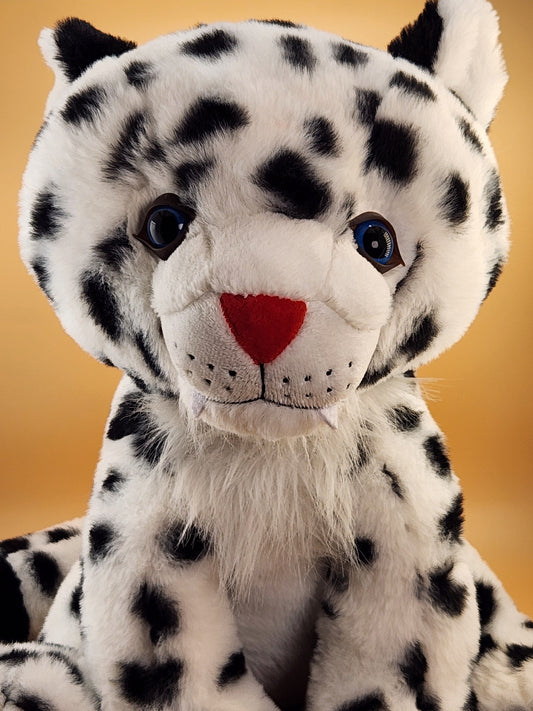
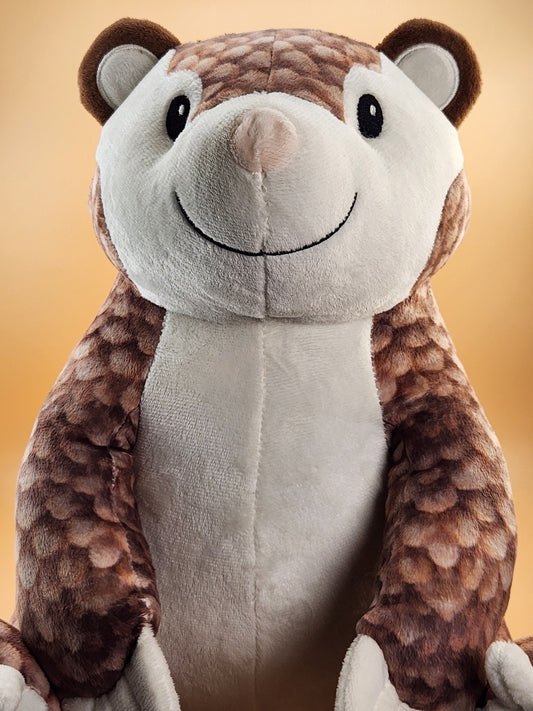
A cause-driven plush can turn ordinary play into a lesson about wildlife. Snugglebug connects everyday play with species education and conservation, giving children, families, educators, and thoughtful gift buyers a clear reason to choose it.
Each plush represents a real endangered animal. Paulie the Pangolin, Tashi the Snow Leopard, Ruby the Red Panda, and Wayne the Whooping Crane introduce species a child may not know. Every toy includes an age-appropriate fact card, which gives families a starting point for questions about habitats, threats, and ways to protect wildlife.
Why the learning element matters
The fact card makes the plush a conversation starter rather than only a soft toy. A parent might read it at bedtime, a teacher might connect it to a wildlife lesson, or a child might create a drawing or pretend-play story about protecting the animal. Snugglebug's companion Journal extends that activity through reflection, creative play, and conservation-focused prompts.
The gift also links the purchase to direct support. Snugglebug donates 15% of every purchase to vetted wildlife nonprofits. Its published donation tallies include $1,118.90 for Red Panda Network, $995.82 for the Pangolin Crisis Fund, and $559.93 for the Snow Leopard Trust, as of August 12, 2026, according to the brand's conservation information.
Practical rule: A cause-driven gift works best when the recipient can understand the cause and the action connected to the purchase.
Snugglebug reports partnerships with Greenspark and Plastic Bank, including 2,320 plastic bottles recovered, and describes alignment with Positive Impact programs evaluated against the United Nations Sustainable Development Goals. The toys are made for softness and durability. The brand also states that its shipping materials are recycled and recyclable, and that the plush animals arrive without unnecessary extra packaging.
Trade-offs for gift buyers
A single plush costs about $40. The Forests & Peaks bundle is advertised at $70 on sale, compared with a regular $80 price, on the Snugglebug website. That cost is higher than a generic mass-market stuffed animal, but it includes educational materials and a conservation contribution. Popular characters and bundles may sell out, so check availability before a birthday or seasonal deadline.
Snugglebug fits a child who loves animals, a family starting conversations about environmental responsibility, or an educator planning a conservation theme. It combines comfort, learning, and a visible giving purpose. For a closer look at the category, read eco friendly plush toys for meaningful play.

2. EarthHero
EarthHero suits shoppers who need several gifts for different people without opening multiple unrelated stores. The U.S. marketplace brings together low-waste, plastic-free, and responsibly made products across home, beauty, kids, and outdoor categories, so one order can include a lunch accessory for a commuter, a household item for a parent, and a nature-focused gift for a child.
Its main advantage is curation. EarthHero presents 500+ vetted brands and lets shoppers browse by values such as plastic-free, USA-made, and BIPOC-owned. Those filters help buyers move beyond a vague “eco” label and select according to the issue that matters most to the recipient.
A convenient choice for mixed gift lists
A buyer who doesn't know a recipient's exact preferences can start with the person's lifestyle rather than a material. A home cook may appreciate a durable kitchen item, a camper may need a reusable outdoor accessory, and a child may enjoy a toy selected for its materials and longevity. Corporate buyers can also use curated sustainable boxes for workplace or bulk gifting.
EarthHero advertises plastic-free shipping and carbon-neutral or free shipping on qualifying U.S. orders, with a typical free-shipping threshold of $75, according to the EarthHero store. Shoppers should confirm current shipping terms at checkout, especially when sending a small individual gift.
The most useful marketplace filter is the one that reflects the recipient's actual habits, not the buyer's preferred buzzword.
What to watch before checkout
EarthHero's broad catalog makes comparison easier, but orders can split into multiple packages when products ship from different partners. That can create more delivery coordination and may complicate a tightly timed gift. The free-shipping threshold may also be higher than the minimum order amount offered by mass-market retailers.
A practical example is a family gift box assembled around daily routines: a reusable item for meals, a low-waste bathroom product, and a durable children's good. The recipient gets useful objects rather than decorative clutter, while the buyer can compare values and materials in one place. Shoppers looking for additional selection guidance can browse sustainable gift ideas for different recipients.

3. Package Free Shop
Package Free Shop is a good match for a recipient who wants a practical change rather than another object with a short novelty period. The founder-led retailer focuses on zero-waste kits, plastic-free essentials, and reusable everyday swaps, including to-go cutlery, shampoo bars, and bathroom sets.
The store's pre-built bundles reduce the guesswork that often makes sustainable shopping feel complicated. A beginner doesn't need to identify every individual replacement item. A bath kit, hair-care bundle, or to-go set can introduce several reusable or package-conscious choices in a format that already feels gift-ready.
Choose the kit around a routine
The strongest gift depends on what the recipient already does. A commuter may use a to-go bundle with reusable cutlery, while someone reducing bathroom waste may prefer a shampoo bar and personal-care set. A household that wants fewer disposable products may benefit from a bundle that supports several repeat routines.
Package Free Shop provides clear materials information and plastic-free packaging, helping the buyer inspect what the gift contains rather than relying only on a broad sustainability description. Occasional U.S. pop-ups add an in-person option, though online availability and shipping thresholds can vary by cart and promotion.
- For a beginner: Select a pre-built kit that replaces products the recipient already buys.
- For a frequent traveler: Choose compact reusable items that can leave the house regularly.
- For a household: Favor a bundle with shared utility instead of a personal-care product with limited appeal.
The main trade-off is category range. The selection leans toward personal care and household goods, so it may be less suitable for a recipient whose interests center on a niche hobby, art, or outdoor equipment. Bundle pricing can make several coordinated swaps easier to purchase than separate items, but buyers should check current promotions and delivery details before ordering.
A practical present might pair a to-go kit with a handwritten note explaining the disposable items it replaces. That small explanation helps the recipient use the gift consistently instead of treating it as a symbolic package.

4. Uncommon Goods
Uncommon Goods works for shoppers who want a creative present but still want to examine the material and company context behind it. The design-forward marketplace is a certified B Corporation with artist-made gifts, recycled-material products, and options across a wide range of interests.
Its catalog supports more personal gift matching than a standard zero-waste store. A buyer can look for an unusual home item, an entertaining accessory, a nature-themed present, or an artist-made object that reflects the recipient's personality. The marketplace also offers gift packaging, messages, price-omitting packing slips, and direct-to-recipient delivery.
Personalization without unnecessary guesswork
Direct shipping is useful when the recipient lives elsewhere or when the buyer wants to avoid sending a present through multiple hands. Recycled boxes and paper tape support the company's effort to minimize packing waste, although packaging practices should still be considered alongside the product itself.
Sustainability varies by maker. A recycled-material item may suit one buyer's criteria, while another shopper may prefer a product designed for repair, reuse, or minimal materials. The presence of a sustainability-minded marketplace doesn't make every catalog item equally low-impact.
Look beyond the storefront: A responsible marketplace can simplify discovery, but each product still deserves its own materials, durability, and end-of-life check.
Uncommon Goods advertises many options under $50, according to its gift marketplace, which helps buyers compare creative presents at a defined budget. A practical example is a useful artist-made kitchen or home item selected for a recipient who values design and will use it regularly. A less successful choice would be a novelty object that matches a theme but has no lasting role after the occasion.
Readers considering charitable or mission-connected gifts can also review gifts that give back to charity. The key comparison remains simple: choose the item with the clearest combination of personal relevance, durable use, and documented responsibility.
5. tentree
tentree gives gift buyers two distinct ways to support environmental action. The first is a tangible apparel gift. The second is a Climate+ tree-planting package that lets the recipient receive an impact-focused present without adding another physical object to a crowded home.
The brand says each product purchased funds the planting of 10 trees, with trackable impact tied to the item, as described on the tentree website. It also identifies as a B Corporation, publishes sustainability information, and provides gift guides and electronic gift options.
Match the format to the recipient
Apparel works best when the buyer knows the recipient's size, style, and likely use. A durable sweatshirt, jacket, or everyday accessory may become a high-use gift, but incorrect sizing can lead to returns or exchanges. Clothing also isn't the best choice for someone who prefers experiences, has a highly specific wardrobe, or already owns more than needed.
The Climate+ option removes some of that uncertainty. It can suit a remote colleague, a conservation supporter, or a person who prefers a contribution over a physical product. An electronic gift option also avoids the delivery and packaging considerations attached to a tangible present.
- Choose apparel when size, style, and daily use are clear.
- Choose tree planting when the recipient values impact more than ownership.
- Choose an electronic gift when timing, distance, or uncertain preferences make shipping risky.
The tree-planting connection gives the gift a straightforward story, but buyers should still read the current impact and project details rather than treating a single environmental action as a complete sustainability assessment. The best result comes when the recipient values both the product and the company's published commitments.
6. Ten Thousand Villages
Ten Thousand Villages is designed for the buyer who wants a handmade gift with a clear social and cultural dimension. The nonprofit fair-trade retailer works with artisan groups worldwide and offers handcrafted goods, ready-made gift sets, and price-sorted shopping.
A handmade item can feel more personal than a mass-produced present, especially when the recipient values traditional craft, home décor, or ethical sourcing. The store's categories make it easier to search by budget, while curated sets reduce the pressure to assemble several related products independently.
Ethical sourcing as the central gift story
A practical example might be a handcrafted home accessory for a new homeowner, a small artisan-made item for a colleague, or a ready-made set for a host. The gift carries an additional story about the people and craft behind it, but the product still needs to fit the recipient's daily life. A beautiful object that stays unused doesn't deliver the same lasting value as something that becomes part of a routine.
The retailer offers U.S. e-commerce along with some local stores and pop-ups, according to Ten Thousand Villages. Buyers can shop by price, including many gifts under $25 to $50, as presented by the retailer. The exact selection and current price should be checked before purchase because inventory rotates with artisan production.
A meaningful handmade gift should be chosen for both its origin and its usefulness.
Availability is the main trade-off. Seasonal demand can make specific items sell out, and production cycles may limit restocking. Buyers with a firm deadline should order early or select a flexible category rather than one exact product.
For recipients who appreciate cultural exchange, ethical shopping, and objects with visible craftsmanship, Ten Thousand Villages offers an alternative to disposable novelty gifts. The environmental benefit depends on the item's materials, durability, shipping, and eventual disposal, so the buyer should assess the whole journey rather than relying on the fair-trade label alone.
7. Patagonia
Patagonia suits recipients who spend time outdoors and need gear that can withstand repeated use. Its eco friendly gift value comes less from a novelty material and more from a repair, reuse, and resale system that can keep apparel and equipment in service longer.
The Worn Wear program supports trade-ins, used gear, and repairs, giving buyers a way to consider secondhand equipment or extend the life of a new present. That matters because a durable jacket, bag, or outdoor layer can avoid repeated replacement when the recipient uses it regularly.
Buy for use, not just brand identity
Patagonia publishes sustainability reporting and identifies commitments such as 1% for the Planet. Its ownership structure includes the Patagonia Purpose Trust and Holdfast Collective, which direct profits toward environmental work, according to the company's official website. Those structures add context, but the recipient's actual use remains the most important buying test.
A secondhand Worn Wear item may be a better choice than new apparel for someone comfortable with used gear. A new repairable jacket may suit a frequent hiker whose current layer has failed. Accessories can reduce sizing uncertainty, while clothing requires more careful attention to fit and seasonal preferences.
- For frequent outdoor users: Select a product that fills a known equipment gap.
- For sustainability-focused shoppers: Compare new items with available Worn Wear alternatives.
- For uncertain sizes: Consider accessories or a gift card instead of fitted apparel.
Higher prices than mass-market alternatives can make Patagonia harder to fit into a limited budget. Sizing and seasonal styles can also complicate gifting. Still, the repair and resale ecosystem gives the product a longer possible life, which is a stronger sustainability argument than buying something only because its label sounds environmentally responsible.
7-Brand Eco-Friendly Gift Comparison
| Item | Implementation complexity 🔄 | Resource requirements ⚡ | Expected outcomes ⭐📊 | Ideal use cases 💡 | Key advantages ⭐ |
|---|---|---|---|---|---|
| Snugglebug | Low–Moderate, brand manages production, partnerships and reporting 🔄 | Moderate, soft goods manufacturing, fulfillment, sustainability partnerships ⚡ | High educational impact + measurable donations to wildlife conservation ⭐📊 | Gifts for kids, educators, conservation‑minded buyers | Transparent 15% donations, strong reviews, durable plush |
| EarthHero | Moderate, multi‑vendor vetting and marketplace operations 🔄 | High, platform management, many vendor relationships, consolidated shipping ⚡ | Broad access to vetted eco products; convenient one‑stop shopping ⭐📊 | Varied budgets, bulk/corporate gifting, value‑filtered shopping | Large curated selection, shop‑by‑values filters, plastic‑free shipping |
| Package Free Shop | Low, focused catalog and pre‑built kits simplify operations 🔄 | Moderate, sourcing reusables and kit assembly, plastic‑free packaging ⚡ | Practical behavior change via zero‑waste swaps; beginner adoption ⭐📊 | Zero‑waste beginners; personal care and household gift bundles | Ready kits, clear materials info, bundled pricing |
| Uncommon Goods | Moderate, curator + many independent makers and gift services 🔄 | Moderate, managing artisan partnerships, gift packaging, fulfillment ⚡ | Unique, design‑forward gifts with variable sustainability by item ⭐📊 | Creative/artist‑made presents; direct‑to‑recipient gifting | Broad catalog, gift services, B Corp impact reporting |
| tentree | Low, retail apparel plus tree‑planting partnerships integrated 🔄 | Moderate, apparel manufacturing and funding/tracking tree plantings ⚡ | Measurable environmental impact (10 trees/item) and wearable gifts ⭐📊 | Eco‑minded apparel gifts or gifting impact via Climate+ packages | Trackable tree planting per purchase, B Corp transparency |
| Ten Thousand Villages | Moderate, fair‑trade artisan sourcing and curated curation 🔄 | Variable, dependent on artisan production cycles and inventory ⚡ | Supports artisan livelihoods and traditional crafts; ethical sourcing ⭐📊 | Buyers seeking artisan‑made, affordable ethical gifts | Fair‑trade sourcing, direct artisan support, budget‑sorted options |
| Patagonia | Moderate–High, durable product lines plus repair/resale programs (Worn Wear) 🔄 | High, high‑quality materials, repair network, resale logistics ⚡ | Long‑lasting gifts that reduce lifetime impact; funds environmental work ⭐📊 | High‑use outdoor gifts for durability‑focused recipients | Repair ecosystem, published commitments, supports environmental causes |
Make the Gift's Whole Journey More Sustainable
The product is only one part of an eco friendly gift. Shipping, packaging, use, repair, reuse, and disposal can change the overall impact, which is why a recycled-material product isn't automatically the best choice. The University of Maryland sustainability guide specifically highlights the underserved question of what happens after shipping, packaging, and disposal, encouraging buyers to compare the complete gift format rather than relying on a broad “green” label.
Holiday waste makes that broader view practical, not abstract. The seasonal waste overview explains that holiday materials such as bows and bags contribute about 1 million tons of trash to landfills each week during the season, while the University of Maryland guide connects the holiday period with roughly 25% more trash than usual in the United States. A gift that replaces disposable products, arrives with limited packaging, or remains useful for years can address the seasonal waste problem more directly than a decorative item with an appealing material claim.
Use this selection process:
- Match the recipient: Consider age, interests, existing habits, and whether the person wants a physical object, an experience, or a contribution.
- Set the budget first: A smaller practical swap, handmade item, or DIY creation may be more useful than an expensive product the recipient won't use.
- Inspect materials: Look for clear material descriptions, recycled or responsibly sourced inputs, and construction that supports repeated use.
- Check durability and repair: A product with replacement parts, repair support, resale options, or a useful second life deserves closer consideration.
- Verify the impact: Meaningful certifications, public reporting, transparent artisan partnerships, and specific conservation contributions offer more substance than vague environmental language.
- Reduce presentation waste: Choose plastic-free or minimal packaging, then reuse a fabric bag, saved box, or recycled paper for wrapping.
Practical swaps remain accessible options. Greenpeace Canada highlights reusable water bottles, coffee mugs, and cutlery among affordable eco friendly gifts, while independent sustainability guidance recommends travel mugs, reusable straws, and canvas bags as everyday replacements for disposable products. The central idea is simple: a buy-once, use-repeatedly gift has a clearer role than an item designed for one brief occasion.
Experiences can reduce the need for physical goods when they match the recipient. A local class, outdoor visit, repair lesson, shared meal, or volunteer activity may create value without adding another object to store. DIY gifts can work in the same way when the maker uses materials already available, prepares food the recipient will consume, or creates something designed for regular use rather than decoration.
Wrapping deserves its own decision. The U.S. consumer data summarized by Sustainability Online reports that 61% of consumers say sustainability affects gift-buying decisions, 64% try to avoid over-packaged gifts, and 87% reuse gift bags, ribbons, and wrapping paper. Those behaviors show why reusable presentation is not an unrealistic extra. A cloth wrap, saved gift bag, sturdy box, or recycled paper can become part of the gift system instead of entering the waste stream after one opening.
Paper raffia offers another concrete option. The paper raffia product information from Transpack describes it as 100% recyclable with paper, biodegradable, compostable, and home-compostable. Used around a boxed present, it can replace plastic ribbon, though local recycling and composting rules should always guide disposal.
Consumer interest also supports clearer, more specific sustainability explanations. A UK poll of 2,000 people found that 62% planned to make at least one sustainable seasonal purchase, rising to 77% among people aged 18 to 34. The same American Express poll coverage reported that 37% said sustainable presents mattered more than ever, while 37% were willing to spend about 12% more on ethical or sustainable gifts. Buyers don't need perfect products, but they do need enough information to understand what their purchase supports.
That explanation can continue after the present is opened. A Snugglebug recipient can learn about the plush's endangered species, use the fact card or Journal for a family activity, and hear how the purchase contributes to vetted conservation organizations. A reusable bottle can come with a note about replacing disposable drinks containers. An artisan-made object can include the maker and craft story. The gift becomes more lasting when the recipient understands how to use it, care for it, and pass its purpose forward.
Snugglebug offers species-specific plush toys, educational fact cards, a family and educator Journal, and conservation contributions connected to each purchase. For a meaningful eco friendly gift that combines comfort, wildlife learning, and real-world support, visit Snugglebug and choose a companion that helps children care about endangered animals.