
Climate Change Education: A Practical Guide
A child asks, “Is the planet dying?” during breakfast, after seeing a wildfire report or hearing adults discuss floods, heat, and disappearing animals. The question can leave parents searching for the right balance. A vague reassurance feels dishonest, yet a flood of frightening facts can make a young person feel powerless.
Climate change education gives families and educators a better path. It combines accurate science with emotional support, practical skills, nature connection, and meaningful action. The aim isn't to hide the seriousness of climate change. It's to help children understand what's happening, recognize how people can respond, and discover that care can lead to participation rather than fear.
Table of Contents
- Why Climate Change Education Matters Right Now
- What Climate Change Education Includes
- Age-Appropriate Approaches That Actually Work
- Addressing Eco-Anxiety and Building Hope
- Ready-to-Use Lesson Ideas and Activities
- Using Educational Toys to Build Emotional Connections
- Vetted Resources and Assessment Strategies
- Your Action Plan for Climate Education Success
Why Climate Change Education Matters Right Now
The child at the breakfast table doesn't need a lecture on atmospheric chemistry first. They need a calm adult who can say, “The planet is changing because human activities are releasing gases that trap heat. People are working on solutions, and families, schools, communities, and governments all have roles to play.”
That answer does three jobs. It acknowledges reality, avoids catastrophic language, and opens a door to agency. A classroom can use the same approach after a student mentions a storm or a species loss. The teacher can invite questions, separate what is known from what is uncertain, and connect global patterns to the local places students know.
Facts are only the beginning
Climate facts matter, but climate literacy means more than memorizing the greenhouse effect. A climate-literate learner can interpret information, connect causes and consequences, discuss fairness, evaluate possible responses, and take part in decisions. A student might learn why heat affects habitats, then compare shade options around the school, interview a community member, and explain which solution seems practical and why.
The need is clear. UNESCO's global review of climate change education found that nearly half of national curriculum frameworks in 100 countries had no reference to climate change, while only 53% mentioned it at least once. Climate-related content appeared most often in primary and secondary education and much less often in teacher training, higher education, and technical and vocational education.
Exposure also doesn't guarantee understanding. UNESCO's youth survey on climate change education found that 70% of young people couldn't clearly explain climate change, could explain only its broad principles, or didn't know anything about it, even though 91% said they had learned about climate change at school.
Practical rule: Every serious climate lesson should include a pathway from understanding to a manageable form of participation.
What comprehensive learning looks like
A family might pair a nature walk with a conversation about habitat, then choose a realistic care project such as planting native flowers or reducing waste at an event. A school might study rainfall in science, write persuasive letters in English, calculate water use in mathematics, and design a shade structure in technology class.
This approach protects children from two common extremes. Science-only teaching can leave students informed but detached. Doom-focused messaging can leave them frightened without a role. Strong climate change education develops knowledge, emotional steadiness, judgment, and agency together.
What Climate Change Education Includes

A student may understand that carbon dioxide warms the atmosphere yet still feel unsure what to do with that knowledge. Climate change education connects evidence with emotions, values, relationships, and practical decisions. Learners examine how climate systems work, who experiences harm, how communities respond, and which choices are possible in their own setting.
UNESCO's Greening Curriculum Guidance offers a roadmap for bringing these elements into everyday teaching. Its principles call for education that is action-oriented, justice-promoting, grounded in quality content, and all-encompassing and relevant.
Five connected components
- Scientific understanding: Learners explore climate systems, evidence, causes, impacts, adaptation, and mitigation. Younger children might compare the temperature of sunny and shaded spaces, while older students interpret climate data and discuss its limits.
- Systems thinking: Students trace relationships rather than memorizing isolated facts. A food lesson can connect soil, water, transport, energy, livelihoods, and waste.
- Emotional resilience: Children need words for fear, grief, anger, and uncertainty. Adults can acknowledge concern, make room for reflection, and guide learners toward constructive choices.
- Civic engagement: Learners practice listening, collaboration, respectful disagreement, and public communication. A class might present a school heat-safety proposal to its leadership team.
- Sustainable behaviors: Students test actions that are relevant, accessible, and linked to shared goals. The aim is informed participation, not guilt or perfection.
Knowledge becomes more useful when learners can connect it to care. A Snugglebug plushie representing an endangered animal can support storytelling about habitat, loss, and protection, giving younger children a gentle emotional entry point before they examine harder evidence.
The curriculum gap remains substantial. UNESCO's 2024 climate change and education findings report that only 53% of national education curricula in 100 countries make any reference to climate change. Fewer than 40% of surveyed teachers feel confident teaching climate severity, about one-third say they can explain local climate impacts, and 30% report lacking suitable pedagogies.
Integration beats isolation
Climate themes can strengthen existing subjects without displacing them. Literature can explore place, loss, responsibility, or environmental justice. Mathematics can examine household energy records or rainfall patterns. Art can communicate habitat change, while civics can examine how communities make resilience decisions.
Cross-curricular learning also helps students revisit one challenge through different forms of reasoning. They can combine those perspectives to design an action with meaning in their school, family, or neighborhood. A lesson should leave room for hope, but hope works best when it is tied to a choice learners can understand and try.
Age-Appropriate Approaches That Actually Work
A five-year-old who asks why a bird has disappeared needs a different answer from a teenager debating climate policy. Developmental fit protects curiosity and helps adults avoid introducing frightening complexity before children have the emotional or conceptual tools to process it.
UNESCO's Greening Education Partnership supports age-targeted learning and whole-school approaches. Its related guidance specifies expected learning outcomes for learners from five-year-olds through those aged 18 and above, making climate education more developmental rather than one-size-fits-all.

Early childhood from ages 3 to 7
Start with care, observation, and simple cause and effect. Children can water a plant, notice which places feel cooler, sort natural and manufactured materials, or watch insects in a garden. The adult language should stay concrete: “Plants need water and light. Hotter, drier weather can make growing harder, so people care for soil and water.”
A small plush animal can support pretend play. A child might create a safe habitat for a toy pangolin using blocks, leaves, and fabric, then talk about what animals need to live. Adults should avoid graphic disaster imagery and phrases that suggest an inevitable end.
Elementary learners from ages 8 to 12
Children can handle ecosystems, basic climate science, and local action. A class might map shade around the school, compare soil moisture in different areas, or build a food-web model with cards. At home, a family can keep a nature journal and record seasonal observations without treating every unusual event as proof of climate change.
A useful conversation starter is, “What does this place need to stay healthy, and what could people do to help?” The question develops systems thinking while keeping the learner connected to a visible place.
Adolescents from ages 13 to 18
Teenagers can investigate climate systems, policy, economics, equity, and advocacy. They might compare adaptation proposals, analyze how a decision affects different groups, or plan a community presentation. Their work should include evidence evaluation and respectful debate, not just personal consumption choices.
UNESCO's guidance on greening education in classrooms gives examples of developmentally targeted learning, including place-based activities for younger children and policy analysis or community climate action for older learners.
Addressing Eco-Anxiety and Building Hope
A student may understand climate change perfectly and still feel unable to act. Another may become quiet, avoid environmental news, lose sleep, or repeatedly seek reassurance. Climate change education should make room for those responses without treating every concern as a disorder.
The most useful distinction is between hope as a promise and hope as a practice. A promise says everything will be fine. A practice helps learners identify what can be understood, influenced, shared, and revisited.
Use honest, steady conversations
When a child asks whether the planet is dying, an adult can respond:
“The climate is changing, and that creates real risks for people and animals. It isn't one simple story, though. People are learning, organizing, and changing systems, and this family or class can make choices that support those efforts.”
The adult can then ask what the child has heard and what feels most worrying. This prevents the conversation from becoming an information dump. It also gives the child permission to name grief or anger before being pushed toward a solution.
A teacher can offer a similar structure: acknowledge the feeling, clarify the fact, identify a shared value, and choose one action. If distress persists or interferes with daily life, caregivers should seek appropriate support from a qualified mental-health professional rather than asking a lesson to carry that responsibility.
Convert knowledge into agency
A 2025 meta-analysis of climate change education interventions found a medium-to-large effect on knowledge outcomes, with g = 0.77, while improvements in attitudes, g = 0.39, and behaviors, g = 0.36, were more modest. The lesson is practical: information can build understanding, but durable action usually needs sustained, action-oriented instruction linked to real choices.
A class could move from learning about heat to identifying shaded waiting areas, gathering student feedback, and presenting a proposal. The action doesn't need to solve climate change. It needs to show that careful observation, cooperation, and communication can influence a shared environment.
For families seeking additional comfort strategies alongside conversation, anxiety relief toys and calming routines can help create a quiet transition before or after difficult discussions. A toy isn't a substitute for emotional care, but a familiar object can give a child something tangible to hold while feelings settle.
Ready-to-Use Lesson Ideas and Activities
Climate learning works best when adults can use it without rebuilding an entire timetable. The following activities range from brief conversations to longer projects, and each can be adjusted for age, place, and available materials.

At home
Nature journal, 15 minutes: A child draws one plant, animal, cloud, or seasonal detail and answers three prompts: What was noticed? What might this living thing need? What could help protect that need? Younger children can dictate responses. Older children can add dates, sketches, and questions for later research.
Energy audit scavenger hunt, 20 minutes: Walk through the home and identify lights, appliances, heating or cooling, and places where drafts may occur. The purpose isn't to assign blame. It's to connect energy use with comfort, cost, and climate, then choose one practical change that the household can maintain.
Kitchen-table scenario: Ask, “If the neighborhood had a very hot week, which places would help people stay safe?” Children can draw a map showing trees, libraries, water, transport, and trusted adults. This develops adaptation thinking without requiring frightening imagery.
In the classroom
School shade investigation, one lesson plus follow-up: Students map sunny and shaded areas, record observations, interview users of the space, and propose improvements. Science supports observation, mathematics supports data organization, English supports the proposal, and civics supports presenting it.
Food systems simulation, one class period: Give groups cards representing soil, water, farmers, transport, shops, families, and waste services. Students connect the cards, then discuss what happens when one part changes. The activity teaches systems thinking more effectively than a list of disconnected vocabulary.
Long-term garden or habitat project: Students choose a site, research suitable plants, plan care, and document changes. Teachers can assess collaboration, reasoning, reflection, and follow-through rather than only factual recall.
In the community
A community group can organize a local river observation, habitat survey, or cleanup with a qualified partner. Participants should learn why the site matters, record what they find, and reflect on which decisions influence its condition. A project becomes climate education when it connects observation to causes, impacts, responsibility, and next steps.
Using Educational Toys to Build Emotional Connections
A child may forget a definition of biodiversity, but remember the animal they named, carried, and cared for during a story. Educational toys can provide an emotional bridge between an abstract conservation issue and a relationship a child understands.

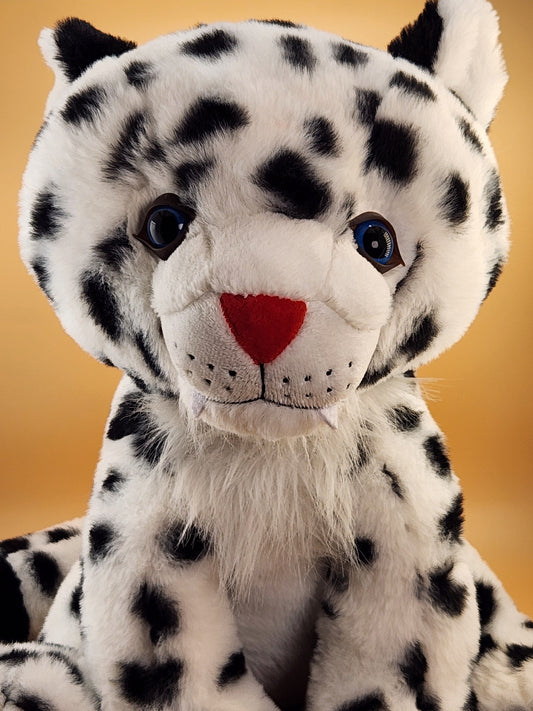
Species-specific plushies such as Paulie the Pangolin or Tashi the Snow Leopard can prompt questions about habitat, food, weather, and human choices. A child doesn't need to begin with a global lecture. The adult can ask, “What would this animal need in its home? What might make that home harder to live in? How could people show care?”
Turn play into inquiry
An educational card can become a starting point for a short investigation. Children can draw the animal's habitat, build it from safe household materials, and identify what belongs in the habitat. Older students can compare habitat needs with climate pressures, then distinguish between a direct impact, a possible adaptation, and an action that protects wildlife.
Naming a toy also supports memory and empathy. The child can write a letter from the animal's perspective, create a “care plan,” or keep a journal describing habitat changes. The activity should avoid pretending that a toy represents the full complexity of a species. Instead, it gives the learner a concrete entry point into research and respectful discussion.
Snugglebug offers species-specific plush toys with educational cards containing facts and age-appropriate conservation tips. The company states that it donates 15% of profits to vetted organizations protecting the featured animals and their habitats, a detail families can use to discuss how a purchase can connect individual choices with broader conservation work. More ideas for using wildlife plushies as learning tools appear in the educational value of wildlife stuffed animals.
A classroom can place one animal in a learning corner, invite students to research it, and connect the research to geography, art, and writing. The toy should remain an invitation to learn, not a replacement for reliable sources or direct experiences in nature.
The video below can help adults think about how a comforting animal object may support a broader conservation conversation.
Vetted Resources and Assessment Strategies
A trustworthy resource does more than use attractive graphics or alarming images. Families and educators should check who created it, whether it explains evidence clearly, whether the language suits the learner, and whether it offers agency without oversimplifying the problem.

A practical resource shelf
- Young children: NASA Climate Kids can support introductory exploration for ages 5 to 8, especially when an adult discusses unfamiliar terms and connects activities to local observations.
- Elementary learners: Project Learning Tree offers outdoor and environmental learning approaches for ages 6 to 12, which can be adapted to school grounds, parks, or family walks.
- Older students: NOAA's Data in the Classroom can support work with climate and environmental data for ages 10 to 15, provided educators guide learners through scale, uncertainty, and interpretation.
- Reflection tools: Portfolios and reflection journals show how a learner's questions, reasoning, emotions, and decisions develop over time.
- Attitude checks: Pre-post surveys can help educators examine changes in confidence, concern, perceived agency, and willingness to participate, rather than testing facts alone.
Assessment should match the purpose of the lesson. If students designed a school project, a rubric can examine evidence use, collaboration, feasibility, communication, and reflection. A short written response can ask, “What changed in your thinking, and what would you do next?” That question captures learning that a multiple-choice quiz may miss.
Spot weak or misleading materials
Watch for resources that use fear without support, present one personal habit as the entire solution, ignore justice, or make conservation claims without identifying partners. Greenwashing can appear through vague phrases such as “planet friendly” with no explanation of what the claim means.
A useful evaluation question is, “Does this material help learners understand a real issue and participate thoughtfully, or does it mainly encourage a purchase?” Guidance on linking environmental learning with responsibility and global citizenship is available through global citizenship education resources.
Your Action Plan for Climate Education Success
A sustainable plan begins with the routines already available. Parents don't need to create a separate course at home, and teachers don't need to solve every climate topic in one unit. The strongest approach builds a repeated rhythm of learning, feeling, doing, and reflecting.
Start with a focused sequence
Choose one local entry point. A school garden, heat, flooding, food, transport, or a nearby habitat gives children something observable. Local relevance turns a distant issue into a question they can investigate responsibly.
Set an age-appropriate learning outcome. A young child might identify what a plant needs. An elementary learner might explain a simple relationship in an ecosystem. A teenager might compare responses and defend a recommendation with evidence.
Add emotional preparation. Before showing difficult images or discussing loss, tell learners what they may encounter and offer a calm way to pause. Adults should model concern without presenting despair as the only honest response.
Design one shared action. The action could be a habitat improvement, a school presentation, a family observation project, or a letter to a decision-maker. It should be specific enough to complete and meaningful enough to discuss afterward.
Reflect and revise. Ask what learners noticed, what felt difficult, what changed, and what remains uncertain. Reflection turns an activity into learning and prevents action from becoming a one-time performance.
UNESCO's 10-step curriculum roadmap includes policy review, stakeholder involvement, piloting resources, educator training, and monitoring. The same logic works at a smaller scale. A family can review routines, include children in planning, try an activity, and revisit it. A school can involve students and community members, support teacher training, and assess climate competencies over time.
Implementation barriers deserve honesty. UNESCO's review found that only 40% of national education laws and 45% of education sector plans or strategies explicitly referred to climate change education, while a Canadian survey found that 42% of educators never or rarely teach climate topics. Among educators who do teach them, 51% spend less than 10 hours a year on those topics; 21% report limited training and 37% report no training, according to the Canadian educator survey summary.
Those figures point to a practical conclusion. Schools need protected time, usable materials, and professional learning, while families need simple activities that don't depend on specialist knowledge. Progress can be measured through stronger explanations, more thoughtful questions, increased confidence, collaborative action, and the ability to connect care with evidence.
Snugglebug offers species-specific plush companions, educational cards, and conservation-focused learning ideas that can help children connect emotionally with endangered animals. Families and educators can visit Snugglebug to choose a wildlife-themed toy that supports conversation, play, and age-appropriate climate and conservation education.