
Rescue Pet Toys: Guide to Healing & Joy
The first ride home with a rescue pet is often quiet. A dog may curl into the corner of a seat and watch every turn. A cat may stay tucked deep in a carrier, wide-eyed and still. The human side of that moment is full of hope, but the animal’s side is often full of questions.
That’s why the first toy matters more than many people expect. In a new home, a toy can become a familiar object, a safe outlet, a comfort item, and a gentle way to begin trust. Rescue pet toys aren’t just things to toss across the room. They can help an animal settle, explore, and start feeling that life has changed for the better.
Table of Contents
- More Than a Toy A Welcome Home Gift
- The Secret Life of Toys Why Rescues Need Them Most
- How to Choose Safe and Durable Rescue Pet Toys
- A Toy for Every Purpose Your Practical Playbook
- Giving Back How Toys Support the Rescue Community
- Building Your Bond One Toy at a Time
More Than a Toy A Welcome Home Gift
A newly adopted pet doesn’t know what “forever home” means on day one. What that pet does notice is scent, tone, texture, and whether the new place feels predictable. A toy can help with all four.

A soft plush placed near a bed can act like a welcome mat. A ball set nearby can give a playful dog a way to release nervous energy without pacing the room. Even a simple chew can tell a pet, “This is yours. You’re safe here.”
Each year, 4.1 million dogs and cats are adopted from U.S. shelters, and they account for 23% of all pet dogs and 31% of all pet cats according to pet adoption data summarized by Exploding Topics. That’s a huge number of animals making the same hard transition from shelter to home. Many of them need help settling in, and toys are one of the simplest tools available.
The first bridge to trust
A rescue pet toy is best defined by its job, not its shape. If it helps a pet decompress, feel secure, or connect with a new caregiver, it’s doing rescue work.
A practical example helps. A shy dog might ignore food the first evening but gently mouth a fleece toy while lying at a distance. That toy becomes a low-pressure coping tool. A kitten that won’t approach hands yet may bat at a small plush and begin to associate the new room with curiosity instead of fear.
A good first toy doesn’t demand anything. It gives the animal a safe way to respond.
Some families also like comfort objects that feel familiar and soothing, especially when they’re learning how stuffed companions can support emotional regulation. Articles on the benefits of stuffed animals for comfort and emotional support can help explain why soft textures matter so much during stressful transitions.
What a welcome-home toy should do
In the first few days, the best choice is often less about entertainment and more about reassurance.
- Offer comfort: Soft texture, gentle shape, no sharp or noisy surprises.
- Lower pressure: Something the pet can approach alone, without forced interaction.
- Support observation: A toy can reveal whether a pet prefers sniffing, carrying, chewing, batting, or chasing.
- Create positive routines: Bedtime plush, morning chew, short evening play session.
That first toy won’t solve every adjustment challenge. It can, however, become the first clear signal that this new home has comfort in it.
The Secret Life of Toys Why Rescues Need Them Most
Animals coming out of shelters often carry stress into their next environment. Some show it loudly by barking, shredding, or pacing. Others display stress through more subdued actions like freezing, hiding, or sleeping with one eye open. Toys can help in both cases because they give stress a direction.
Toys can work like a translator
Rescue animals don’t arrive with a shared language. They don’t know the household rules, schedule, or expectations. A toy helps translate safety into something physical.
A chew says it’s okay to settle the mouth and jaw. A plush says it’s okay to curl up and hold something soft. A tug toy says interaction can be fun, not threatening. This is why the right toy often changes behavior before training fully begins.
One shelter trend is especially interesting. Companion plush therapy has shown measurable benefits. Post-2025 studies indicate that wildlife-patterned plushies can lower cortisol levels by 22% in kenneled dogs compared with standard rope toys, according to discussion of shelter toy use on Maddie’s Fund’s community forum. That matters because lower stress often means better sleep, calmer greetings, and more room for learning.
Comfort play and confidence play
Not all play does the same job. Rescue pet toys usually help in one of two ways.
| Type of play | What it helps with | Example |
|---|---|---|
| Comfort play | Settling, self-soothing, resting alone | A soft plush in a crate or beside a bed |
| Confidence play | Problem-solving, agency, success | A treat toy the pet can nudge, roll, or lick |
A nervous dog may carry a plush from room to room without ever squeaking it. That still counts as success. The dog is using the object to self-regulate. A cat that repeatedly pounces on a kicker toy may be releasing tension and rebuilding confidence through a predictable win.
Practical rule: If a toy helps a rescue pet relax, explore, or succeed without becoming overwhelmed, it’s doing therapeutic work.
Some families resonate with toys that also carry a larger meaning. Thoughtful pieces that link comfort with empathy and animal welfare can make play feel more intentional, as seen in discussions about how animal rescue toys can support broader impact.
Why solo success matters
Rescue pets need moments where nothing bad happens, and something good does. Solo play creates those moments.
A dog that noses a food toy and gets a reward learns that curiosity pays off. A cat that swats a toy mouse and watches it slide under a chair experiences control in a room that still feels unfamiliar. Small victories matter because confidence isn’t built through lectures. It’s built through repeated safe experiences.
Some readers get confused here and assume “more toys” means “better adjustment.” Usually, that isn’t true. A rescue pet often does better with a few purposeful toys than with a pile of options that create noise and clutter.
How to Choose Safe and Durable Rescue Pet Toys
The most comforting toy in the world isn’t helpful if it falls apart too fast or creates a hazard. Safety comes first. Then durability. Then fit for the animal’s play style.

Start with the failure point
The easiest way to judge a toy is to imagine how it fails. Does it fray into strings, crack into shards, split at the seam, or release stuffing? That question matters because toy failure can become a health issue very quickly.
According to Houndstone’s guide to durable dog toys, reinforced constructions with core nylon or Zogoflex can outperform single-material plush by 4 to 6 times in chew endurance tests, and veterinary data cited there shows splintering contributes to 30% of shelter pet injuries from failed toys. That doesn’t mean plush is bad. It means plush should match the pet and the purpose.
Match the toy to the play style
A rescue pet’s behavior around toys gives useful clues.
- Gentle carrier: Often does well with plush, fleece, and soft lightweight shapes.
- Nibbling comfort-seeker: Usually prefers seam-light plush or soft chew textures.
- Power chewer: Needs reinforced rubber, nylon-core, or other tougher constructions.
- Shredder: Should avoid loose stuffing, easy seams, ribbons, and decorative parts.
A practical example. A dog that softly carries a stuffed duck to bed doesn’t need the same construction as a dog that pins toys down and twists them with the back teeth. The first dog needs comfort. The second needs controlled resistance.
A quick comparison table
| Material or style | Best use | Watch-outs |
|---|---|---|
| Soft plush | Comfort, carrying, gentle play | Seams, stuffing, squeakers |
| Rubber chew toy | Repetitive chewing, solo settling | Size must be correct |
| Rope toy | Supervised tug, short play sessions | Fraying strands |
| Puzzle feeder | Boredom relief, confidence building | Must not be too difficult at first |
| Reinforced composite toy | Strong chewers, kennel use | Can be too hard for some pets |
Safety checks that are worth doing every time
Many pet owners look only at shape and cuteness. A better approach is a quick hands-on inspection.
- Squeeze the seams: If stitching already gaps in the store or straight out of the package, it won’t improve at home.
- Check for add-ons: Plastic eyes, ribbons, bells, glued patches, and loose tags can become hazards.
- Choose the right size: A toy should be too large to swallow whole and comfortable enough to carry or chew.
- Look for washable design: Rescue pets often drool, mouth, drag, and revisit the same toy repeatedly.
- Retire damaged toys early: A “favorite” toy that has become ragged may now be unsafe.
A toy doesn’t have to look destroyed to be risky. The weak point is often hidden inside a seam or under chewed fabric.
Cleaning matters more than people think
A rescue pet may be coping with stress licking, stress chewing, or repeated self-soothing. That means saliva builds up fast. Easy-to-clean toys support better hygiene and make it easier to keep familiar comfort items in rotation.
Rubber and hard treat toys usually wash more easily than plush. Plush can still be useful, but it helps to have more than one so one can be cleaned and dried while the other stays available. For cats, wand toys and fabric kickers should also be checked often for loose threads.
The best rescue pet toys aren’t the toughest on the shelf by default. They’re the safest match for the pet in front of the family.
A Toy for Every Purpose Your Practical Playbook
Toy choice gets easier when the goal is clear. The question isn’t “What toy should this pet own?” It’s “What problem is this toy helping solve today?”

For the first 48 hours
The first days are usually about decompression, not performance. A pet doesn’t need a toy box full of options. A calm setup works better.
Try this simple trio:
- One soft comfort toy for resting near a bed or crate
- One chew or lick option for nervous energy
- One low-pressure interactive toy such as a ball or teaser for brief engagement
A practical example is a newly adopted dog that startles at every household sound. A plush near the resting area can become an anchor. A stuffed rubber chew offered after walks can help the dog settle. A short rolling-ball game in the hallway can replace aimless pacing.
For cats, the equivalent might be a small plush kicker, a wand toy used in brief sessions, and a treat puzzle with an easy opening.
For boredom and busy minds
Many rescue pets aren’t “misbehaving.” They’re under-stimulated, over-aroused, or both. Mental work can drain stress in a gentler way than nonstop physical play.
Good options include treat balls, puzzle feeders, snuffle mats, frozen lick mats, and hide-and-seek games with kibble. Start easy. If the challenge is too hard, the pet may give up or get frustrated.
A useful rule is to let the toy create a quick win on the first day. For example, a puzzle feeder with one open compartment is often better than a complicated design with multiple sliders.
This video gives a helpful visual look at enrichment in action:
For bonding time
Interactive toys help pets learn that people predict fun, not pressure. That’s a major shift for an animal still deciding whether to trust.
A few examples work well:
- Tug toys: Best for dogs that enjoy close interaction but need rules and short sessions.
- Soft fetch toys: Good for dogs that want movement without the hardness of a tennis ball.
- Wand toys for cats: Excellent for distance-friendly play with shy cats.
- Crinkle or lightweight chase toys: Helpful for cats who want short bursts of predatory play.
Keep early sessions short enough that the pet finishes interested, not overwhelmed.
A foster dog that won’t approach for petting may still chase a tossed toy. That matters. Shared play can create a relationship before touch does. A reserved cat may stalk a feather wand from under a chair long before accepting lap time.
For anxious moments
Some rescue pets struggle most during transitions inside the home. Common flashpoints include bedtime, departures, storms, and the hour before dinner.
Matching the toy to the moment often helps:
| Situation | Helpful toy type | Why it works |
|---|---|---|
| Bedtime | Plush or soft chew | Encourages settling and repetitive soothing |
| Alone time | Long-lasting chew or food toy | Gives the pet a job during separation |
| Restless evenings | Puzzle feeder or snuffle activity | Redirects scanning and pacing |
| Post-walk wind-down | Lick mat or chew | Helps shift from alert to calm |
A real-world example is the dog that gets “mouthy” in the evening. That pet may not need more excitement. The dog may need a predictable chew routine right after the last walk. Another example is the cat that sprints through the house at dusk and then knocks items off a shelf. A short wand session followed by a food puzzle often works better than scolding.
The right toy at the right time can change the whole feel of a home.
Giving Back How Toys Support the Rescue Community
A toy can help one pet in one home. It can also support dozens of animals when shelters, fosters, and donors handle toys thoughtfully.

Shelters use toys for more than entertainment. Staff and volunteers often learn a lot by observing play. Does a dog carry gently or destroy quickly? Does a cat engage more with movement, texture, or sound? Those details can help with placement, enrichment, and meet-and-greet sessions.
Donation requires more care than most people think
Many well-meaning donors assume any used toy is better than no toy. That isn’t always true.
A significant knowledge gap exists around donation safety. A 2025 ASPCA report noted that 28% of shelter toy-related incidents involve degraded plush materials, and many donor resources still don’t offer vet-verified cleaning protocols or durability criteria for upcycled toys, according to discussion of shelter toy donation safety on Brighten Up Pup. That’s a strong reminder that generosity should be paired with inspection.
What shelters usually benefit from most
Before donating, it helps to ask the shelter what they need. One facility may need washable rubber toys for kennel rotation. Another may prefer new fleece items for puppies or kittens. A foster network may want food toys that can move from home to home.
A practical donation checklist:
- Choose intact items only: No exposed stuffing, broken squeakers, or unraveling rope.
- Clean thoroughly: Wash according to material, and make sure items are fully dry.
- Skip decorative children’s plush: Sequins, plastic eyes, pellets, and glued parts can create risks.
- Ask before dropping off: Shelter preferences vary by species, age group, and sanitation process.
Some families who want to help but aren’t sure what qualifies find it useful to review guides on how to donate stuffed animals responsibly, especially when deciding whether an item is donation-ready.
A donated toy should make a shelter’s work easier, not add sorting, repair, or disposal work.
The ripple effect of thoughtful choices
Responsible toy choices help more than one animal. A durable toy in a foster home can support smoother adjustment. A safe comfort item in a kennel can reduce stress behavior. A well-timed interactive toy in a meet-and-greet can reveal a pet’s playful side.
That’s part of what makes rescue pet toys meaningful. They sit at the intersection of welfare, bonding, and practical care. One object can comfort a scared pet, help a volunteer learn more about that pet, and make adoption day feel a little more possible.
Building Your Bond One Toy at a Time
A rescue pet rarely asks for much at first. Most are looking for safety, routine, and signs that this new place can be trusted. Toys help provide all three.
The most useful way to think about rescue pet toys is as tools for healing. A plush can soften the first nights. A chew can turn nervous energy into calmer behavior. A puzzle can help a shy animal discover confidence. A tug or wand can become the first joyful conversation between pet and person.
That’s why thoughtful toy choice matters. It isn’t about buying the fanciest item or filling a basket on day one. It’s about choosing objects with a clear purpose and using them in ways that help the animal feel secure, capable, and connected.
Bonding often starts small. A dog carries the same toy from room to room. A cat begins to bat at a teaser in the open instead of from under the couch. Those moments may look ordinary, but they’re often the first signs that trust is taking root.
A welcome-home toy can be simple. Its impact often isn’t.
Thoughtful play can do real good for animals at home and beyond. Snugglebug creates plush toys that blend comfort, education, and conservation, giving families a way to choose gifts that feel meaningful while supporting a broader mission of care.
Related Posts
-
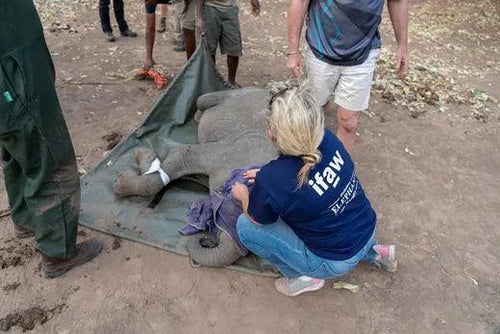
Can Animal Rescue Toys Make a Difference in Wildlife Conservation?
Animal rescue toys have been gaining popularity, but can they genuinely impact wildlife conservation?
-
Anxiety Relief Toys: A Guide to Calming Tools for Kids
Discover how anxiety relief toys can help calm and focus your child. Our guide explains the types, benefits, and how to choose the right sensory or comfort toy.
-
Sleeping with a Stuffed Animal: Benefits & Safety Guide
Discover the benefits of sleeping with a stuffed animal for kids and adults. Our guide covers safety, hygiene, and how to choose the perfect comfort object.
-
Social Emotional Toys: Guide to Empathy & Growth 2026
Explore top social emotional toys for 2026. Find benefits, activities, & expert tips to choose the best toys that foster empathy & healthy development.
