
Toy Rotation System: Reduce Clutter & Boost Focus in 2026
The living room floor looks harmless at 7 a.m. Then the bins tip, the tiny cars spread under the sofa, the puzzle pieces vanish, and a child stands in the middle of it all saying they're bored. A toy rotation system gives that same room a different job, fewer visible choices, calmer cleanup, and a better chance that the toys already owned will get played with.
Table of Contents
- Why Fewer Toys Lead to Deeper Play
- Sorting and Categorizing Your Toy Collection
- Storage Solutions and Labeling Strategies
- Choosing the Right Rotation Schedule for Your Family
- When Toy Rotation Backfires and How to Adapt
- Themed Rotations That Spark Curiosity and Learning
- Measuring Whether Your Rotation System Works
Why Fewer Toys Lead to Deeper Play
A child can have a room full of toys and still settle into none of them. That happens because too many visible choices can pull attention in too many directions, especially when the play space is loud, colorful, and constantly offering something new to touch. The practical answer is not more storage bins, it's fewer options in sight at once.
A widely cited 2017 University of Toledo study found that toddlers aged 18 to 30 months who played with 4 toys instead of 16 toys spent more time with each toy and used each toy in 63% more varied ways Romper's summary of the University of Toledo study. That lines up with what many parents notice at home, when the floor is less crowded, children often stay with one activity longer instead of hopping from toy to toy.

What deeper play looks like in a real room
A calmer toy shelf often changes the quality of play, not just the length of it. A child who sees six carefully chosen items can build, repeat, pretend, and return to the same toy with more purpose. That is very different from a child who dumps a dozen things on the floor, glances around, and moves on.
Practical rule: If a child keeps switching before a toy has a chance to develop into a game, the room may be offering too much at once.
The visible environment matters because young children are still learning how to filter input. A play space with fewer items makes it easier to notice what's happening, whether the child is nesting, sorting, stacking, role-playing, or problem-solving. That's why toy rotation is less about minimalism and more about giving attention a place to settle.
Families often know the system is working when the child returns to an older toy with fresh interest after a swap. That “new again” response is one of the clearest signs that the playroom is supporting curiosity instead of overwhelming it. When the room looks calmer, many caregivers also find cleanup easier, because there's less visual noise to reset after play.
Sorting and Categorizing Your Toy Collection
Before a rotation system can hold together, every toy needs a clear place in it. Start by gathering items from bedrooms, closets, cars, baskets, and the hiding spots under furniture, then sort the full collection at one time instead of moving the same pile around again and again. Working with everything in view helps forgotten toys, duplicates, and broken pieces stand out right away.
A helpful framework is to group toys into thinking, moving, and pretending categories, a structure also used in a toy-rotation example from CHKD toy rotation example with thinking, moving, and pretending boxes. Thinking toys can include puzzles and board games. Moving toys can include balls and ride-ons. Pretending toys can include dolls and puppets.
Start with the toys that are already easy to name
Some items sort themselves without much debate. Puzzles, blocks, crayons, action figures, stuffed animals, and musical toys usually fit naturally into one of the three buckets. Other items need a parent's judgment, especially mixed sets that can support more than one kind of play.
A practical rotation guide from KidKraft recommends keeping only a small visible set at one time, while the rest stays in labeled bins or boxes KidKraft's toy rotation setup guide. That setup helps caregivers see what is being used, what is being ignored, and what deserves a break from the shelf.
Useful checkpoint: If a toy is broken, missing key pieces, or never chosen even when the child has time, it belongs in a different category than “current rotation.”
Children can take part in sorting when the process stays short and concrete. Older preschoolers can place toys into the right piles. Younger children can point to favorite toys or carry items to labeled bins. For sentimental items, a separate “keep for later” box often works better than asking for an immediate decision.

Once the collection is sorted, the next decision is how to store the overflow so the system stays usable. That part depends on matching the container choice to the way the family will sort, return, and rotate items. A sorting guide for preschool toy collections can help families compare categories before they decide what stays visible and what goes into storage.
Families with neurodivergent children often get the best results from observation, not from a fixed calendar. If a child is engaged, calm, and returning to the same set of toys with purpose, the rotation is probably timed well for that child. If the room feels noisy to the child, if cleanup turns into a standoff, or if every toy seems to compete for attention, it may be time to simplify the mix or change the category that is on display.
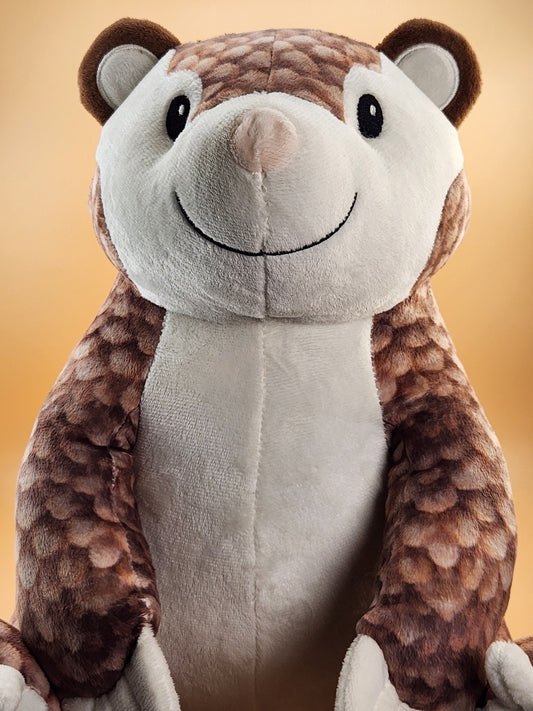
Themed rotations can also make sorting easier to understand. A conservation table with educational plush toys, for example, can hold animals that match a nature, habitat, or caregiving theme, while the rest of the collection stays packed away for a later swap. That kind of grouping gives children a clearer story to follow, and it gives adults a simple way to decide what belongs together instead of scattering similar toys across different bins.
Storage Solutions and Labeling Strategies
Storage works best when it removes friction instead of creating it. If a parent has to open six containers just to swap one bin, the system won't last. Clear bins, opaque bins, closet shelves, and under-bed storage can all work, but the right choice depends on whether the family wants speed, visibility, or a stricter out-of-sight setup.
Clear bins make it easy to identify contents quickly, which helps adults maintain the system. Opaque containers reduce visual clutter more effectively, which can be useful in a small room or for a child who gets distracted by seeing every backup toy at once. The main goal is the same in either case, keep the off-duty toys easy for adults to manage and hard for children to drift into midweek.
Labels should work for children, not just adults
Text labels help caregivers stay organized, but photos can make the system usable for children too. A bin with a picture of blocks, dolls, or cars is easier to match than a bin with only a word on it, especially for early readers. That makes the swap less mysterious and gives children a better sense of where things live.
A simple setup is to use one shelf for the current rotation and one storage area for the rest. Families in smaller homes often do better with vertical shelving and stackable bins than with large toy chests, because the bins can be lifted, swapped, and returned without creating a pile on the floor. For stuffed animals, a dedicated hanging solution can keep soft toys visible without letting them take over the room, and this hanging stuffed animal storage guide shows one way families think about that problem.
Practical rule: If the label system takes longer than the toy swap, it's too complicated.
A label template can be as simple as a square photo taped to the front of a bin, plus one word underneath. Families with more space may prefer matching bins on open shelves, while shared bedrooms often need a closed closet solution so the visible play area stays calm. The best setup is the one that can survive a tired evening and still make sense the next morning.
Choosing the Right Rotation Schedule for Your Family
A rigid calendar can look tidy on paper, but children rarely play to a clock. One child may abandon a set after a few days, another may return to the same truck again and again, and a third may need the room to stay consistent before play settles in. The better question is not which schedule looks orderly, but which rhythm matches your child's attention, temperament, and your family's actual energy.
Many practical guides describe toy rotation as a weekly to fortnightly routine, with some recommending swaps every 5 to 14 days or every 2 to 4 weeks, depending on the child Netmums on toy rotation cadence, Montessori Method toy rotation workflow, Little Tikes rotation advice. Other guides suggest keeping only about 6 to 10 toys or activities visible at one time, which often makes the shelf easier to use and the room easier to reset Little Tikes rotation advice. In practical household terms, one published guide says families using rotation can see 40% to 50% reductions in toy spending pressure because they reuse what they already own instead of buying new gifts as often Netmums on toy rotation cadence.
Comparing common cadences
| Rotation Schedule | Best For | Pros | Cons |
|---|---|---|---|
| Weekly | Children who tire quickly of the same setup, or homes that enjoy a fresh reset | Keeps play feeling new, easy to notice what gets ignored | Can feel hectic if swaps become too frequent |
| Biweekly | Families that want a steady rhythm without constant change | Balanced timing, enough novelty without overdoing transitions | May be too slow for some children, too fast for others |
| Monthly | Busy households, children who need more predictability, or larger toy collections | Low-maintenance, fewer swaps to remember | Some toys may sit unused for too long |
For many families, the best cadence is the one they can maintain on an ordinary week. A parent who works long hours may do better with a slower rhythm because the swap has to fit around meals, laundry, and bedtime, not just the ideal version of the plan. A child-led home may change sooner if the shelf starts to look full but play has gone flat.
A schedule is a starting point, not a promise. If a child is still deeply engaged, the toys can stay out longer.
Observation matters more than the date on the calendar. If a child keeps returning to the same shelf items with real focus, that usually means the set is still working. If the toys are being dumped, scattered, or ignored, the rotation may need a shorter interval, fewer items, or a smaller group of choices. Seasonal changes can shift the pattern too, because summer travel, illness, and holidays often change how much room children have for structured play.
Children with sensory processing differences, autism, ADHD, or a strong need for routine often do best when the rotation changes slowly and predictably. A visual cue, a familiar bin order, or a small swap rather than a full reset can make the system feel safer. For some children, even a well-intended change can feel like the room moved under their feet, so the goal is not novelty for its own sake. The goal is a play space that stays readable enough for the child to settle into.
A useful approach is to watch for signs, then adjust the rhythm rather than forcing the same schedule every time. If the child is calmer and more absorbed with fewer toys out, that is useful information. If the toys look neat but play time becomes shorter, more defensive, or more scattered, the rotation is probably too fast or too broad.
Themed rotations can help here as well, especially when the shelves are built around one clear idea. A set of educational plush toys grouped by farm animals, forest animals, or ocean animals can hold attention without overwhelming the child, and the theme gives caregivers a simple way to notice what the child returns to, what gets ignored, and what sparks pretend play. That makes the rotation feel less like a cleanup task and more like a gentle observation tool.
Families do not need to commit to one rule forever. A schedule that works in winter may feel wrong during school breaks, and a setup that suits one child may need to be softened for another. The most workable system is the one that stays flexible enough to follow the child's play instead of replacing it.
When Toy Rotation Backfires and How to Adapt
Toy rotation helps many families, but it can create stress when change is the wrong kind of novelty. Children with sensory processing differences, autism, ADHD, or a strong need for routine may need a slower introduction than generic guides suggest. The key is to observe whether the child becomes calmer and more focused, or more unsettled and defensive.
A major gap in many guides is that they stop at decluttering and scheduling, even though the central question is how the child responds. Available guidance on this topic points toward observation-based rotation, where the adult changes the setup according to what the child is doing, not according to a fixed calendar video discussion of nuanced, observation-based rotation. That matters because a rotation that feels refreshing to one child can feel like the room keeps changing underneath another child's feet.
Signs the system needs to slow down
- Increased clinging to one item: The child carries the same toy around but avoids the rest of the shelf.
- More frustration during transitions: The child resists the swap, protests the change, or seems upset by unfamiliar materials.
- Less settled play: The room looks neat, but the child spends less time engaged than before.
- Repeated return to old favorites: The child only wants items that were already familiar, which can mean the rotation is too broad or too fast.
One practical adaptation is to rotate only part of the shelf at a time. That keeps the environment recognizable while still making room for something new. Another is to keep comfort objects permanently available, especially for children who use toys for self-regulation rather than just entertainment.
A helpful public reminder from the same broader conversation is that rotation should be based on observation rather than a fixed calendar, and only a subset of toys should change at once so the child still recognizes the environment video discussion of observation-based rotation. That approach fits children who need continuity more than novelty.
If siblings share the system, one child may want change while the other resists it. In that case, separate bins or a partial split of the shelf can reduce conflict. Toys that never get chosen, even after a gentle rotation, are telling a different story and may not belong in the current play space.

Themed Rotations That Spark Curiosity and Learning
A rotation feels more meaningful when the toys share a story. That story can be as simple as “forest animals this week” or as specific as a conservation theme built around one species. Children usually settle faster when the materials seem connected, because the shelf feels like an invitation rather than a random pile.
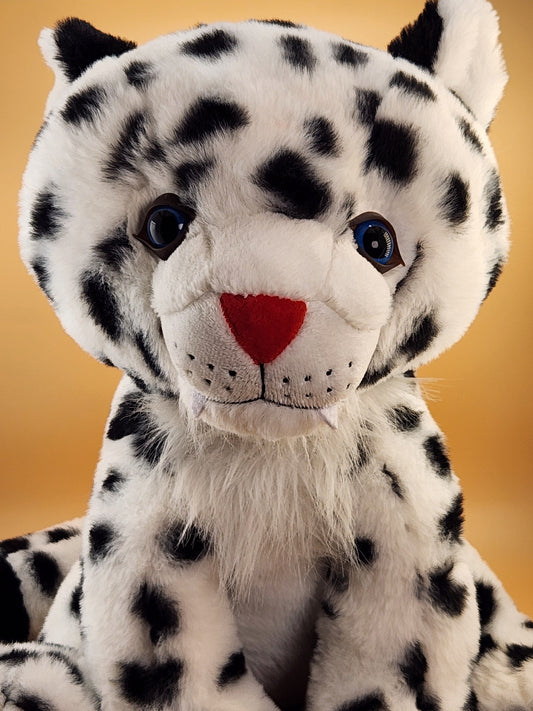
A wildlife or conservation theme works especially well with educational plush toys, because the plush can anchor the rest of the materials. A Snow Leopard theme can pair a plush companion with mountain habitat books, blue blocks, white scarves, and building pieces that become peaks. A Red Panda theme can pair bamboo textures, a simple forest floor setup, and books about tree life and habitats. The point is not to turn playtime into a lesson, it's to give the child a world that feels coherent.
Turning one toy into a whole learning scene
Themed rotations can follow real-world moments too. Earth Day, animal awareness weeks, or classroom units about habitats all give families a reason to swap in materials with purpose. That can include puzzles, books, loose parts, art supplies, and one plush that acts like the emotional center of the setup.
Families who want a wildlife-based playroom can borrow ideas from this wildlife-themed playroom guide. A theme like forest, ocean, mountain, or grassland gives children a way to build from what they can see and touch. It also helps adults choose fewer items, because each choice needs to support the same idea.
Good themed rotations feel joined up. A plush, a book, and a building material should look like they belong in the same little world.
Educational cards that come with conservation plush toys can deepen the theme without adding clutter. A parent can read the card once, then leave it beside the toy, where it becomes part of the play invitation. That kind of rotation is more than storage management, it's a small, repeatable way to make learning feel alive.
Measuring Whether Your Rotation System Works
A good rotation system should change something noticeable in the home. The change does not need to feel dramatic. It may show up as a child staying with one activity longer, cleanup becoming easier, or older toys getting chosen again after they are brought back out.
The most useful measures are visible and ordinary. Watch for time spent in independent play, how often toys get switched during one play session, cleanup time, and whether the child returns to toys that had been ignored before rotation. A system is working when those signs point toward steadier play and less daily friction.
What to notice without turning it into homework
Parents do not need a chart on the fridge to see whether the setup is helping. A quick mental note after play, or a short line in a notebook, is enough to spot patterns. If the child stays engaged longer and interrupts play less often, the rotation is probably helping. If the shelf still feels chaotic, the system may need fewer toys, slower swaps, or simpler categories.
One practical guide describes rotation as a setup you can test, not just a decorating trend, and suggests that rotating no more than 50% of materials can help preserve familiarity YouTube guidance on measuring toy rotation effectiveness. That kind of approach keeps the adult focused on what the child is doing with the toys, not only on how neat the shelf looks.
For neurodivergent children, the signs can be different but still easy to observe. A child may return to a familiar toy for comfort, resist a swap that happens too quickly, or engage more fully when the choices are narrowed in a predictable way. In those cases, the rotation is not failing, it is giving useful information about how much novelty the child can take in one setting.
The same observation method works for themed rotations too, including educational plush toys that anchor a forest, ocean, or habitat setup. If the plush stays in play, the books get opened, and the child keeps coming back to the scene, the theme is doing its job. A parent can watch whether the child uses the toy as a starting point for stories, sorting, or caretaking play.
If the system is not working, the fix is usually small. The number of visible toys may need to drop. The swap may need to happen less often. The categories may need to be simpler. Once the family treats rotation as an experiment instead of a personality test, it gets much easier to keep using it.