
How to Wash a Jellycat Without Ruining It
Share
The short answer
Check the sewn-in label first. Many Jellycat toys can go in a washing machine at 30°C (86°F) on a gentle cycle; others must be surface washed by hand. Jellycat does not recommend a tumble dryer, an iron, or dry cleaning for any of its toys (Jellycat Safety & Care, accessed July 2026). Air dry flat, then shake and massage the toy back into shape once it's dry.
That covers most situations. The rest of this guide handles the cases where it goes wrong: matted fur, flattened bean filling, a musty smell that survived the wash, and the bedtime companion that cannot be out of commission for two days.
Read the label before you read anything else
Every Jellycat has care instructions on a sewn-in label, printed as universal care symbols, and the same instructions appear on each product page on Jellycat's site. The label overrules any general advice, including this guide.
Five symbols do most of the work:
- A tub with a number (30) means machine washable at that temperature in Celsius. 30°C is 86°F, roughly cool tap water.
- A tub with a hand means hand wash only.
- A crossed-out tub means do not wash by immersion at all; surface clean only.
- A crossed-out square with a circle means no tumble drying. This appears on Jellycat toys as a blanket recommendation.
- A crossed-out circle means no dry cleaning.
If the label is gone, which happens to well-loved toys, default to the most cautious method: surface cleaning, then hand washing only if surface cleaning fails.
Surface cleaning handles more than people expect
Most plush do not need a full wash. A yogurt smear, a marker line, or a patch of dried mud is a local problem, and treating it locally avoids putting the whole toy through water stress.
- Mix a few drops of unscented mild detergent into a bowl of cool water.
- Dip a white cloth, then wring it until it's barely damp. Colored cloths can transfer dye into light-colored fur.
- Blot the spot. Do not scrub; scrubbing mats the pile and works the stain deeper into the fibers.
- Wipe the same area with a second cloth dampened in clean water to lift the detergent out.
- Blot dry with a towel, then let it air dry, then brush the pile with a soft baby brush.
For odor without visible soiling, seal the toy in a bag with a few tablespoons of baking soda overnight, then shake it out thoroughly and vacuum any residue through a piece of mesh or nylon.
Hand washing, step by step
This is the safest full-immersion method, and it's the one to use whenever the label says hand wash or the label is missing.
- Fill a clean sink or basin with cool water, no warmer than 30°C (86°F). Hot water sets stains, loosens glue, and can shrink some backings.
- Add a small amount of mild, unscented detergent. A teaspoon is plenty. Skip bleach, fabric softener, and anything with optical brighteners; softener coats plush fibers and leaves fur limp.
- Submerge the toy and squeeze gently. Press water through the body rather than wringing or twisting it. Twisting is what breaks internal seams.
- Let it soak five to ten minutes. Longer soaks don't clean better and do saturate stuffing that then takes days to dry.
- Drain and rinse with clean cool water. Keep pressing and releasing until the water runs clear and you can't feel slickness on the fabric. Leftover detergent is the usual cause of stiff, crunchy fur after drying.
- Press out the water. Roll the toy in a dry bath towel and press down. Don't wring it.
Plan for a full day of drying, and up to two days for a larger toy. Wash in the morning if a child needs it back by bedtime.
Machine washing when the label allows it
If the label shows 30, a machine wash is fine, with a few precautions that matter more for plush than for clothing.
- Use a mesh laundry bag or a zipped pillowcase. This keeps ears, tails, and limbs from catching in the drum.
- Select a delicate or hand-wash cycle with the lowest spin speed available. High-speed spin is what compacts stuffing into lumps.
- Wash it alone or with soft towels. Zippers, hooks, and denim abrade plush pile.
- Front-loaders are gentler than top-loaders with a center agitator. If you only have an agitator machine, hand wash instead.
- Never add the dryer step. Jellycat advises against tumble drying any of its toys, and heat is what melts synthetic fibers into permanent frizz.
One caveat on bunnies specifically, since "how to wash a Jellycat bunny" comes up often: the long-eared Bashful styles have a lot of surface area and a floppy, understuffed build. They wash well but they lose their shape more visibly than a compact toy, so the refluffing step at the end matters more.
Drying is where most plush get ruined
Washing rarely destroys a toy. Drying does.
Lay the toy flat on a dry towel, out of direct sunlight, and reshape it by hand while it's still damp: pull the limbs gently to length, round out the head, flatten the ears the way they're meant to sit. Turn it every few hours and swap the towel once it's saturated.
A fan pointed at the toy shortens drying meaningfully and adds no heat. Direct sun fades dyes and can stiffen synthetic pile. Radiators, hair dryers, and dryers all apply enough heat to permanently alter the fiber.
Make sure the interior is fully dry before returning it to a child. A damp core grows mildew, and you'll smell it a week later.
Bringing the fur back
Jellycat publishes a four-step routine for reviving a toy, and it works as well after a wash as it does out of the box: give it a good shake to wake it up, gently pull the limbs and massage the body into a pleasing shape, fluff the fur or hair, then repeat as needed (Jellycat Safety & Care).
Add a soft-bristled baby brush or a clean pet slicker brush used lightly, always brushing in the direction the pile lies. This lifts matted fur that shaking alone won't fix. Work in small sections on a low-pile toy, and resist pressing hard; the goal is to separate fibers, not to comb them straight.
Toys that need a different approach
Bean-filled toys. Any toy with weighted pellets in the base or paws should be surface cleaned. Pellets absorb water, take a very long time to dry, and can develop mildew inside a sealed compartment where you'll never reach it.
Glued eyes, noses, and appliqué features. Embroidered features are safe in water. Glued plastic parts are not reliably safe; even warm water can soften the adhesive. Surface clean around them.
Anything with electronics or a music box. Never immerse. Surface clean only, and keep water away from the housing entirely.
Retired or collectible plush. If the toy has resale value or sentimental weight, surface clean it and stop there. The risk of a shape change or a faded dye outweighs a slightly cleaner result.
Toys belonging to a child with sensory sensitivity. Detergent residue and a changed texture both register strongly. Rinse twice as long as you think you need to, and brush the pile back to its original feel before returning it.
When a plush is past saving
Some toys reach the end. Structural seam failure, embedded mold, or stuffing that has compacted into hard clumps are all effectively permanent. If a toy has become a hygiene issue for a child who sleeps with it, replacing it is the right call.
Don't put it in the trash by default. Some shelters, animal rescues, and fire departments accept gently used plush, and textile recycling programs will take toys that are too far gone to donate. We wrote a full breakdown of who accepts what in where to donate stuffed animals, including the specific condition standards different organizations apply.
What you're actually washing
Washing is the moment a plush toy's construction becomes visible. Water and agitation pull at seams, lift dye out of fabric, and test whatever adhesive is holding the eyes on. A toy that comes out of a gentle hand wash looking mangled was usually built that way; the wash just revealed it.
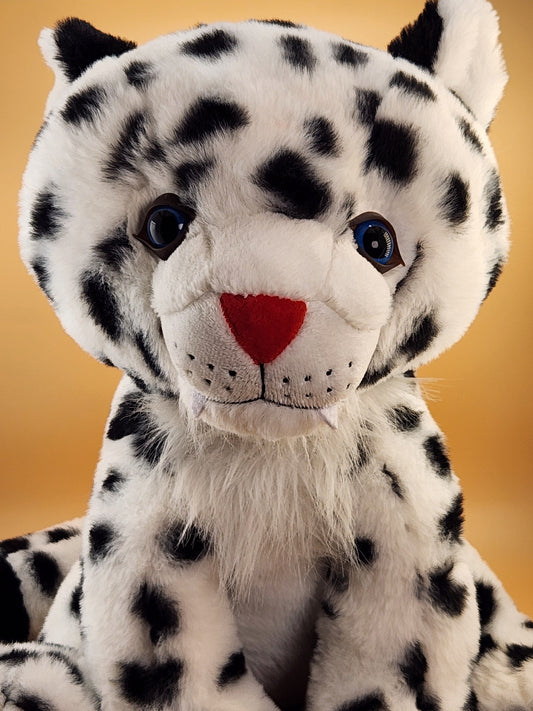
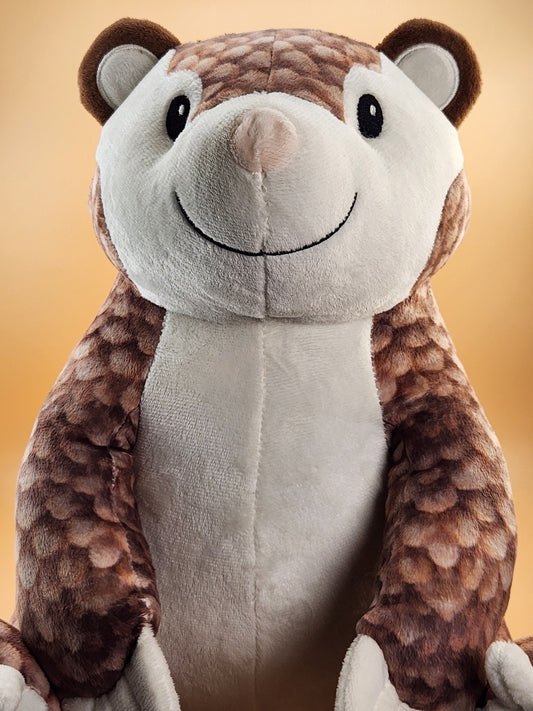
This is the part of plush manufacturing that customers can't inspect at purchase, so it's worth naming what the testing actually covers. Every Snugglebug animal carries a Children's Product Certificate issued after third-party lab testing at Intertek's Arlington Heights, Illinois facility, certifying against ASTM F963-23 for mechanical hazards, the flammability requirements for soft toys, CPSIA Section 103 tracking label rules, and heavy metals in surface coatings. Paulie the Pangolin, Tashi the Snow Leopard, Ruby the Red Panda, and Wayne the Whooping Crane each went through that process as a separate product, because the CPSC treats them as four distinct toys rather than variations on one. The first certificate came back in May 2024; the fourth cleared in May 2025.
Worth being straightforward about our own care instructions, since this is a washing guide: Snugglebug plush are hand wash only, and should never go in a washing machine or dryer. Most spills wipe clean with a damp cloth.
That's stricter than many machine-washable Jellycat styles, and the reason is worth stating plainly. Machine washability is a claim a lab has to validate, by laundering the toy and then re-running the use-and-abuse battery to confirm nothing works loose. We haven't put our animals through that specific test, so we don't make the claim. Hand washing is the conservative default, not a verdict on the construction.
If you're replacing a toy that didn't survive, the Forests & Peaks bundle pairs Paulie and Tashi, and 15% of every purchase goes to pangolin and snow leopard conservation. Both are also available on their own: Paulie the Pangolin and Tashi the Snow Leopard.
Frequently asked questions
Can you put a Jellycat in the washing machine? Many Jellycat toys can be machine washed at 30°C (86°F); others are labeled surface wash only. Check the sewn-in care label, use a mesh bag and a delicate cycle, and never move it to the dryer afterward.
Can you put a Jellycat in the dryer? No. Jellycat does not recommend tumble drying any of its toys. Heat permanently frizzes and mats synthetic plush fiber. Air dry flat instead.
How long does a plush toy take to dry? A small toy air dries in roughly 12 to 24 hours. Larger or densely stuffed toys can take two days. A fan speeds this up without adding heat.
Why is the fur crunchy after washing? Almost always leftover detergent. Rinse again in clean cool water until the fabric no longer feels slick, dry fully, then brush the pile in the direction it lies.
Can you wash a Jellycat that has lost its label? Treat it as surface clean only. If that isn't enough, hand wash in cool water rather than machine washing.
How do you clean a plush toy without washing it? Spot clean with a barely damp white cloth and a drop of mild detergent, then deodorize with baking soda in a sealed bag overnight and brush the fur afterward.
Snugglebug is not affiliated with, endorsed by, or sponsored by Jellycat Limited. Jellycat is a trademark of Jellycat Limited. Care guidance attributed to Jellycat is drawn from the company's published Safety & Care page, accessed July 26, 2026; always follow the label on your specific toy.