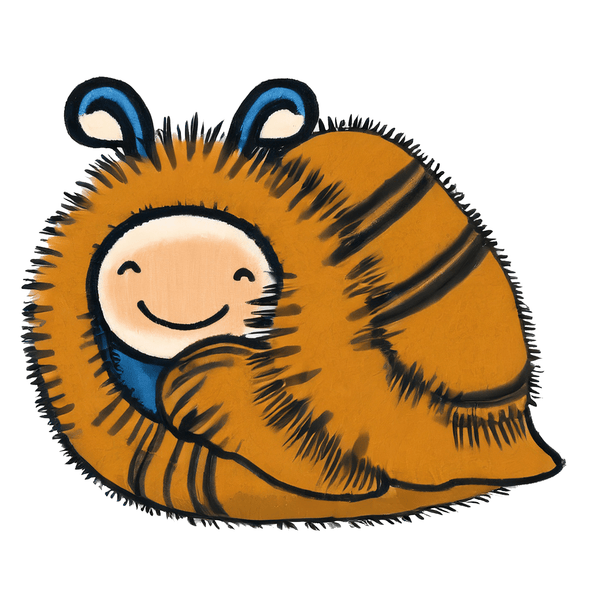

Irresistible Honey Badger Plush Toy for 2026
A common search starts the same way. A parent, grandparent, teacher, or family friend types in “honey badger plush toy” hoping to find something memorable, soft, and maybe a little unusual. What often appears instead is a pile of joke products built around internet humor, loud catchphrases, or novelty value that fades once the laugh is over.
That can feel disappointing, especially when the goal is a gift with staying power. Children usually don't need another object that gets a quick reaction and then slides to the corner of the room. They respond to stories, texture, familiarity, and meaning. A thoughtfully made honey badger plush toy can do all of that at once.
The honey badger is a fascinating animal for teaching resilience, curiosity, and respect for wildlife. That makes this species especially powerful in a plush form. When the toy is designed with care, it stops being just a stuffed animal and becomes a conversation starter, a comfort object, and a small doorway into conservation.
Table of Contents
- Beyond the Meme The Snugglebug Honey Badger Explained
- What Makes the Snugglebug Honey Badger Unique
- Crafted for Cuddles Durability and Safety
- Unboxing a World of Learning The Educational Experience
- From Playroom to Planet Your Purchases Conservation Impact
- The Perfect Gift for Every Occasion
- Caring for Your Companion and Where to Buy
-
Frequently Asked Questions
- Is a honey badger plush toy a good choice for younger children?
- Is this type of plush mainly a joke gift because of the meme?
- Can a honey badger plush help in educational or emotional settings?
- What should buyers look for if they want quality?
- Are there other wildlife plushes like this?
- Is the packaging eco-friendly and is the product ethically made?
Beyond the Meme The Snugglebug Honey Badger Explained
A lot of adults have seen the same pattern. They search for a honey badger plush toy because the animal is bold, distinctive, and oddly lovable. Then they run into novelty items based on the old viral meme. Those toys may get attention, but they usually treat the honey badger as a punchline instead of a real animal worth learning about.

One well-known example was the Honey Badger Large Talking Plush toy, an R-rated novelty product that followed the 2011 viral video “The Crazy Nastyass Honey Badger.” That video had amassed over 100 million views by 2023, and the talking plush shows how strong the market for meme-driven character toys became, as noted in this honey badger background summary. It worked as a joke item. It didn't work nearly as well as a lasting educational companion.
That difference matters. A child holding a honey badger plush toy doesn't need the animal's identity reduced to “doesn't care” humor. The animal itself offers far richer lessons. Honey badgers are known for persistence, problem-solving, and toughness. Those traits make them excellent symbols for resilience when adults want to talk with children about courage, wildlife, or how animals adapt to difficult environments.
A meaningful plush gives a child more than a character. It gives them a relationship with a real species.
Mission-driven plush toys have grown because many families now want gifts that feel aligned with their values. The same verified market note that tracks the meme plush also states that eco-conscious gifting categories for brands like Snugglebug saw an 18% sales uptick from 2020-2025 in that source. That shift helps explain why a purpose-led honey badger plush toy stands out.
The strongest version of this toy isn't trying to be edgy. It's trying to help a child care.
What Makes the Snugglebug Honey Badger Unique
The most thoughtful honey badger plush toy stands apart for three connected reasons. Its design supports everyday use. Its educational purpose gives the animal context. Its conservation mission turns a private purchase into a public good.
Many plush toys only solve one problem. Some are soft but flimsy. Some are funny but forgettable. Some look realistic but don't help a child do anything with that interest. A mission-based wildlife plush works differently because each part supports the others.
Design with a reason
A honey badger plush toy should feel good in the hands first. That sounds simple, but it's where many products lose people. If the body collapses too quickly, the fur feels scratchy, or the seams strain after regular play, the educational message won't survive long enough to matter.
A stronger design sends a subtle message. The plush itself reflects the animal it represents. A sturdy, huggable honey badger model mirrors the species' reputation for endurance. That creates a connection children can understand without needing a lecture.
Learning that starts in play
Children rarely begin with taxonomy or conservation policy. They begin with affection. They name the plush. They carry it to the couch. They ask questions at bedtime. That's where education has the best chance to stick.
A well-made wildlife plush helps adults build from those natural moments:
- At bedtime: “Where do honey badgers live?”
- During cleanup: “Why does this animal need a strong body in the wild?”
- On a car ride: “What other animals share its habitat?”
Those small exchanges matter because they attach facts to comfort and routine. That's usually far more effective than pushing information in a formal way too early.
Purpose beyond the room
The conservation element changes the emotional meaning of the toy. Instead of being a closed-loop purchase, it becomes part of a wider story about protecting species and habitats.
The publisher information for this brand states that 15% of profits support conservation work. For families, that creates a useful teaching moment. A child can learn that caring about animals isn't only about liking how they look. It can also mean helping the world they inhabit.
Practical rule: The best educational toy is one a child wants to return to, because repetition is what turns interest into knowledge.
That's why this type of honey badger plush toy feels different. It doesn't rely on novelty. It combines comfort, curiosity, and responsibility in one object.
Crafted for Cuddles Durability and Safety
The physical build of a honey badger plush toy matters more than many buyers expect. Softness gets attention first, but durability and safety decide whether the toy becomes a long-term companion or a short-lived disappointment.

Why filling matters in daily play
A child doesn't interact with a plush in a careful showroom way. The toy gets squeezed under an arm, tucked into a backpack, used as a pillow during story time, and dragged from room to room. That's why the fill material matters.
Verified product information states that this plush uses PP cotton, also called polypropylene fiberfill. In the cited product background, PP cotton shows a compression recovery rate of 85-95% after 10,000 cycles, compared with 70-80% for traditional polyester fill, according to the data summarized on this honey badger plush product page. In plain language, that means the stuffing is better at bouncing back after repeated squeezing.
That matters in practical ways:
- After nap time: the plush keeps its shape instead of turning lumpy.
- After travel: it looks recognizable when pulled from a bag.
- After frequent hugging: it still feels inviting, not flattened.
Families who want broader context on lower-impact toy choices often find useful guidance in this eco-friendly plush toy overview.
How construction affects trust
Seams often fail before fabric does. That's where quality differences become obvious. A honey badger plush toy with weak seams may look fine on arrival but struggle with normal movement, twisting, and repeated handling.
The same verified data notes that double-stitched seams provide 25-35N tear resistance per ASTM D5035, compared with 8-12N for single-stitched cotton in the cited source. That's a technical way of saying the toy is built to resist splitting far better than lighter construction.
A parent can consider this perspective:
| Everyday situation | Why stronger seams matter |
|---|---|
| A child carries the plush by one leg | The body is less likely to pull apart at stress points |
| The toy gets packed tightly for a trip | Seams are better equipped to handle pressure |
| A sibling tug-of-war happens | The plush has a better chance of staying intact |
The best plushes also avoid features that create unnecessary concern. Buyers often prefer embroidered details over hard attachments because stitched facial features feel secure and soft. That's especially helpful when the toy is intended for regular cuddling by children ages 3+, a use case mentioned in the verified product summary.
Children test toys honestly. They don't protect weak construction, and that makes build quality easy to spot.
What buyers should check before choosing
Not every honey badger plush toy listing gives useful material details. That can confuse shoppers, especially when products look similar in photos.
A careful buyer can scan for a few signs:
- Fill disclosure: look for clear mention of PP cotton rather than vague wording like “soft stuffing.”
- Seam quality: product descriptions should mention reinforced or double stitching.
- Care language: surface-wash guidance usually signals that the maker expects the toy to be kept long term.
- Age guidance: a clear 3+ rating helps families match the toy to intended use.
A plush meant to teach care for wildlife should also be built with care. Otherwise the message and the object contradict each other.
Unboxing a World of Learning The Educational Experience
A honey badger plush toy becomes educational when the adult around the child knows how to use it. The plush opens the door. The learning happens through the conversation, the card, and the small rituals that grow around it.

The most effective wildlife plushes arrive with a companion card or insert that translates the animal into child-friendly language. That piece often gets overlooked by adults, but it's one of the most valuable parts of the whole gift. It gives the child a framework. Instead of just owning an unusual stuffed animal, they begin to understand who this creature is, where it lives, and why it matters.
Many families also appreciate the emotional role plush toys can play in development. This guide to the benefits of stuffed animals offers useful context for how comfort objects can support routine, emotional expression, and imaginative play.
How families can use the companion card
The best educational materials don't feel like homework. They invite action. A honey badger card might include habitat facts, behavior notes, and simple conservation tips. Adults can turn that into a series of tiny activities instead of a single reading moment.
A few practical examples work well:
-
Match the animal to a map
If the card mentions the honey badger's range, a parent or teacher can pull out a globe or atlas and help the child find the region. That builds geography naturally. -
Act out animal behavior
If the card describes digging, foraging, or persistence, children can mimic those behaviors in dramatic play. That helps younger learners remember what the animal does. -
Start a “planet protector” routine
If the card includes a simple environmental action, the family can choose one for the week, such as reducing unnecessary waste or being more observant outdoors.
Simple learning moments that feel like play
Children usually ask the best questions after the formal moment is over. The toy is on the bed, in the car seat, or at the table during snack. That's when adults can keep the learning going without making it heavy.
A simple pattern works well:
- Name: “This is a honey badger.”
- Trait: “It's known for being persistent.”
- Connection: “What helps people stay persistent too?”
That last step is where the plush becomes more than science content. It lets adults connect animal behavior with human character in a gentle way. A child who is nervous about school, frustrated by a puzzle, or recovering from a tough day may respond strongly to the idea of a brave animal companion.
A child doesn't need a long lesson to remember a species. One fact, repeated in warm moments, often does more.
Teachers can use the same method in group settings. A classroom mascot can sit near a reading corner, appear during a unit on habitats, or serve as a prompt for descriptive writing. Children who don't usually engage with wildlife topics often respond better when a soft, named animal is present in the room.
The educational value of a honey badger plush toy isn't hidden in complexity. It comes from repetition, story, and emotional connection.
From Playroom to Planet Your Purchases Conservation Impact
A wildlife toy carries extra weight when it helps the animal in its natural habitat. That's what separates a decorative object from a mission-driven purchase. The strongest honey badger plush toy doesn't stop at awareness. It ties affection for the species to action.

The publisher information for this brand states that 15% of profits go to vetted conservation organizations and related sustainability work. For many families, that makes the buying decision easier to explain. The toy isn't just about owning a cute animal. It's also about backing protection for wildlife and habitat in the natural world.
That changes the conversation around gifting. A birthday present, classroom reward, or comfort item can also become a child's first example of values-based spending.
Why mission matters in this category
Many plush products use the language of nature without building any meaningful connection to nature. They borrow the image of the animal, then stop there. A mission-centered model asks more from the product.
It helps to compare the two approaches:
- Novelty-first plush: built mainly for a joke, trend, or character reference.
- Mission-first plush: built to deepen empathy, invite learning, and support conservation in practice.
That distinction matters because honey badgers are especially vulnerable to being turned into internet shorthand. Their meme image is loud and exaggerated. Their real biological and ecological identity is far more interesting.
There's also a meaningful gap in the market. Verified background data states that as of 2025, no major retailer offers a honey badger plush specifically for sensory or emotional support, even though demand for animal-themed sensory toys rose by 42% post-2025 in Play Therapy UK data, as summarized in this source note about therapeutic design and honey badger plushes. A soft, durable, educational model helps answer that unmet need more thoughtfully than meme-based options.
Readers who want to understand how mission-driven purchases can extend beyond the toy shelf can explore this real-world impact of a mission-driven plushie.
How a plush can support emotional growth
The conservation impact matters globally. The emotional impact matters up close.
Some children are drawn to gentle animals like rabbits or bears. Others connect with creatures that feel scrappy, brave, or underestimated. The honey badger fits that second group beautifully. It can appeal to a child who wants comfort but doesn't want something that feels overly babyish.
A few situations show why that matters:
- A child starting a new school may like carrying a “brave animal” idea into a stressful transition.
- A hospital comfort setting may benefit from an animal that feels protective and sturdy.
- A classroom social-emotional lesson can use the honey badger as a symbol of persistence without relying on abstract language.
Some children bond fastest with animals that seem strong and safe at the same time.
That's why the conservation mission and the emotional role of the toy reinforce each other. The child learns to care for the plush. The adult helps the child care about the species. The purchase supports work that cares for the wider natural world.
The Perfect Gift for Every Occasion
Not every plush gift fits every child. A honey badger plush toy works best when the giver matches the animal's personality to the moment. This species has a distinct energy. It feels bold, resourceful, and comforting in a less predictable way than a typical teddy bear.
That makes it useful for several kinds of gifting.
For the child who loves unusual animals
Some children move past the usual lions, dogs, and unicorns very quickly. They want the animal nobody else in class picked. They ask for facts at dinner and notice creatures in documentaries that adults barely remember seeing.
For that child, a honey badger plush toy feels special because it reflects genuine curiosity. It says the giver paid attention.
A practical example helps. A grandparent who knows a child loves wildlife books can pair the plush with a library trip. The toy becomes the reason to borrow one book about African ecosystems and another about animal adaptations. The gift keeps unfolding after the wrapping paper is gone.
For classrooms, care settings, and family milestones
The same toy can serve very different roles depending on where it goes.
| Occasion | Why a honey badger plush toy fits |
|---|---|
| Birthday gift | It stands out from common stuffed animals and gives the child a story-rich companion |
| Classroom mascot | It supports lessons on wildlife, habitats, and character traits like persistence |
| Get-well gift | It offers comfort with a “tough little friend” identity many children find reassuring |
| Holiday present for eco-conscious families | It aligns with values around meaningful and educational giving |
Teachers can also use the plush as a rotating discussion object. One week it might sit beside nonfiction books. Another week it might prompt journal writing about courage or adaptation. A counselor or support professional might use it during conversation with a child who has trouble speaking directly about feelings but can talk more easily through an animal character.
A honey badger plush toy also works well for sibling gifts when adults want to avoid overly gendered choices. The animal's appeal is broad. It doesn't lean heavily toward pastel sweetness or rough novelty. It sits in a middle space that many children appreciate.
Gifts last longer when they fit a child's identity, not just the calendar occasion.
That's the main reason this animal works across so many moments. It feels distinctive, but it still invites closeness. It can be funny, sturdy, educational, and comforting without needing to be one-note.
Caring for Your Companion and Where to Buy
A well-made honey badger plush toy should be easy to live with. Families often worry that a special plush will be too delicate for regular use, but the best companions are the ones children can hug, carry, and return to often.
Easy care habits that help a plush last
Simple routines usually do the most good.
- Spot clean first: a damp cloth and mild soap help with small surface messes before they set in.
- Let it air dry fully: this helps preserve shape and softness.
- Avoid rough heat: high dryer heat can be harder on plush fabric and stitched details.
- Store it dry and clean: that matters most if the plush rotates in and out of use.
If a product listing says “surface washable,” that's a useful sign. It usually means the maker expects normal family messes and has designed for everyday maintenance, not fragile display-only ownership.
How to choose where to purchase
When someone is looking for a honey badger plush toy, buying from the official brand site is usually the clearest path. It gives the buyer access to the intended product description, educational materials, mission information, and current shipping details.
A careful shopper should check for:
- Official product photos
- Clear age guidance
- Material and care details
- Mission information tied to the purchase
The publisher information also notes that the brand offers free shipping on qualifying orders. Since offers can change, buyers should verify those details directly on the official store before ordering.
For gift buyers, it also helps to check whether themed collections or related wildlife plushes are available. That can make it easier to build a gift set for a classroom, sibling pair, or conservation-themed celebration.
Frequently Asked Questions
Is a honey badger plush toy a good choice for younger children?
It can be, especially when the product clearly lists an age recommendation such as 3+ and uses soft construction with securely stitched details. Adults should always match the toy to the specific child's age and habits. Some children cuddle gently. Others test every seam they can find.
Is this type of plush mainly a joke gift because of the meme?
Not necessarily. That's one of the biggest points of confusion in this category. Search results often mix novelty meme plushes with wildlife-themed products, but they serve different purposes. A joke plush focuses on internet recognition. A mission-led honey badger plush toy focuses on comfort, learning, and connection to a real species.
Can a honey badger plush help in educational or emotional settings?
Yes, in a qualitative sense. A plush can support storytelling, animal lessons, geography activities, and gentle conversations about courage or persistence. It can also become a reassuring comfort object for children who connect with animals that feel strong rather than overly delicate.
What should buyers look for if they want quality?
Three things usually matter most:
- Material clarity: the listing should explain what's inside the plush.
- Construction details: reinforced seams and durable stitching are strong signs.
- Educational intent: companion cards, species facts, or conservation framing add lasting value.
Are there other wildlife plushes like this?
Yes. The publisher information describes a broader lineup that includes species-specific plushes such as Paulie the Pangolin, Tashi the Snow Leopard, Ruby the Red Panda, and Wayne the Whooping Crane. That makes the honey badger a good starting point for families or educators who want to build a wider wildlife collection over time.
Is the packaging eco-friendly and is the product ethically made?
The provided brand description emphasizes sustainability initiatives and a mission-driven approach, but buyers should check the current official product page for the latest specifics on packaging materials and manufacturing details. That's the best place to confirm current practices before purchase.
For families, educators, and thoughtful gift buyers who want a plush that does more than decorate a shelf, Snugglebug offers a meaningful place to start. Their wildlife plushes connect comfort, learning, and conservation in one package, helping children build empathy for animals while supporting real-world impact.
Related Posts
-
Brown Bear Plush: A Guide to Safe & Meaningful Toys
Looking for the perfect brown bear plush? Our guide covers safety, materials, educational uses, and how to choose a toy that teaches conservation.
-
7 Meaningful Gift Ideas for Every Occasion
Looking for meaningful gift ideas? Discover 7 inspiring gifts that give back, from educational toys to cause-driven subscriptions. Perfect for any budget.
-
Red Panda Stuffed Animal: A Guide to Meaningful Cuddles
Find the perfect red panda stuffed animal. Our guide covers material safety, educational value, and how to choose a toy that supports real conservation efforts.
-
Arctic Fox Stuffed Animal: A Buyer's & Educator's Guide
Find the perfect arctic fox stuffed animal. Our guide covers quality, safety, educational uses, and how your choice can support real arctic fox conservation.
