
Collectible Stuffed Animals: Your Ultimate 2026 Guide
A lot of people meet collectible stuffed animals by accident. A child outgrows a plush fox, a grandparent pulls a carefully stored bear from a closet, or a shopper notices that one rabbit on the shelf looks unusually well made, beautifully tagged, and somehow more memorable than the rest. The question usually starts small. Is this just a toy, or is it something people collect?
That curiosity makes sense. Plush collecting sits at the crossroads of comfort, design, nostalgia, and meaning. For some families, collectible stuffed animals become keepsakes tied to milestones. For some adults, they become display pieces, artist editions, or character-based treasures that feel closer to art than playroom clutter. For educators and conservation-minded gift buyers, they can also become tools for storytelling and empathy.
Table of Contents
- From Plaything to Prized Possession
- What Defines a Collectible Stuffed Animal
- How to Start Your Stuffed Animal Collection
- Assessing Value and Verifying Authenticity
- Caring For and Displaying Your Collection
- The Rise of Ethical and Sustainable Collecting
- The Enduring Joy and Impact of Collecting
From Plaything to Prized Possession
A collector often starts with a single plush that feels different. Maybe it has hand-finished details, a retired character design, or original tags that hint at a story. A child might hug it to sleep. An adult might place it on a shelf and look it up later, only to discover an entire world of makers, release history, and collector communities.
That small moment now connects to a much bigger cultural shift. The global stuffed animals and plush toys market reached USD 13.68 billion in 2025 and is projected to expand to USD 25.94 billion by 2033, reflecting a CAGR of 8.4%, with growth largely driven by adult collectors seeking premium, limited-edition collectible plush, according to Yahoo Finance market coverage.

That helps explain why collectible stuffed animals can feel surprisingly serious. They aren't only toys bought for very young children. Many are now designed for display, long-term keeping, themed collecting, and emotional attachment that lasts well past childhood.
A practical example makes this easier to see. A family might buy one plush penguin during a holiday trip because it reminds a child of the aquarium. Years later, that same child keeps seeking animal-themed plush from specific makers, learns which designs are retired, and starts arranging them by habitat or species. The collection grows because the objects carry memories, not because anyone planned an investment portfolio.
Plush collecting often begins with affection first, then knowledge follows.
Readers who enjoy the deeper backstory behind this shift may appreciate this brief history of stuffed animals, which shows how comfort objects gradually became cultural icons. That history matters because collecting always becomes richer when the owner understands where a piece fits in the larger story.
What Defines a Collectible Stuffed Animal
The word collectible can confuse new buyers. Not every plush is collectible in the same way, and not every collectible plush becomes expensive. A better test is this. Does the item have qualities that make people deliberately seek it out, preserve it carefully, and talk about its origin, condition, or significance?
The category has changed a lot. The global collectible stuffed animal market has undergone a fundamental premiumization shift, transforming from childhood playthings into a sophisticated adult collectible lifestyle category, with collectible trends dominating the adult demographic through limited-edition character collaborations and social-media-led fan communities, as described by Grand View Research.
Why some plush rise above the ordinary
Several traits usually separate a standard plush from one that collectors prize:
- Rarity matters: A limited edition run, a retired design, or an event-exclusive release often creates demand.
- Condition matters: Collectors pay close attention to clean seams, intact stitching, original fur texture, and whether tags are still attached.
- Provenance matters: Provenance means the object's backstory. Original packaging, artist signatures, certificates, and purchase records help confirm that story.
- Brand and maker reputation matter: Some collectors chase heritage brands. Others prefer artist-made plush, licensed characters, or niche designers with a recognizable style.
A practical example helps. A bunny bought at a gift shop may be loved, but it won't automatically count as collectible. The same bunny, if part of a numbered seasonal release with original tags and a known designer, enters a different category because buyers can identify what it is and why it stands out.
Practical rule: Provenance works like a passport. The more clearly a plush can show where it came from, the easier it is to understand its place in a collection.
Types of collectible stuffed animals
Different collectors are drawn to different kinds of plush. Some want history. Some want artistry. Others want familiar characters.
| Category | Key Characteristics | Examples |
|---|---|---|
| Vintage plush | Older construction, era-specific fabrics, signs of age, brand history | An older teddy bear kept with original label and period clothing |
| Limited editions | Restricted release, numbered runs, seasonal or event exclusives | A holiday bear sold only during one annual launch |
| Artist-made plush | Handmade details, distinct style, small-batch production | A stitched woodland fox created by an independent plush artist |
| Licensed character plush | Based on books, films, games, or franchises | A character plush tied to a beloved series |
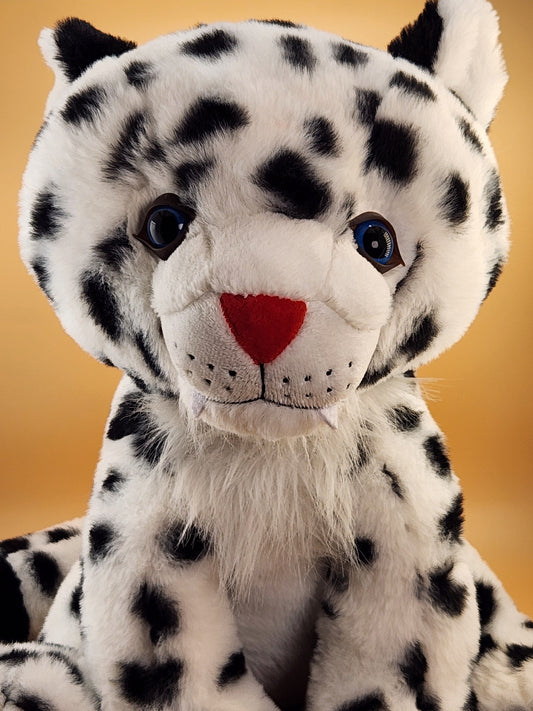
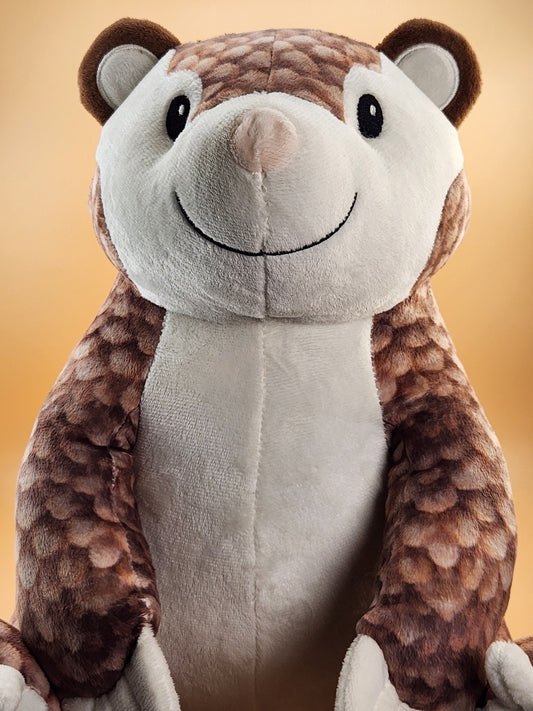
| Conservation or educational plush | Species-specific design, teaching purpose, story-driven packaging | An endangered animal plush paired with facts and habitat learning |
One place beginners get stuck is assuming that only old plush count. That's not true. A brand-new piece can be collectible if its design, context, and audience support long-term interest. Another common misunderstanding is thinking every rare item is automatically desirable. Rarity without appeal, craftsmanship, or a clear audience doesn't guarantee collector demand.
The strongest collections usually reflect a point of view. One person builds a shelf full of forest animals in muted colors. Another focuses only on handmade bears. Another collects character plush tied to childhood books. The collectible value comes from the object, but the identity of the collection comes from the collector's choices.
How to Start Your Stuffed Animal Collection
Starting a collection goes better when the buyer moves slowly. Plush is emotional by nature, which is part of the fun, but that same warmth can lead to shelves full of random purchases that don't feel connected.

A beginner doesn't need a perfect plan. A simple framework is enough. The goal isn't to buy fast. The goal is to build a collection that still feels meaningful years later.
Find a focus that feels personal
The easiest starting point is affection. Collect what already sparks interest.
Some collectors choose a species, such as owls, red pandas, whales, or big cats. Others choose a format, such as vintage teddy bears, artist-made plush, or licensed characters from favorite stories. A parent might even start a habitat-based shelf for a child, grouping mountain animals, forest animals, and ocean animals so the collection feels educational as well as adorable.
A practical example. If a child loves cranes after a zoo visit, the family might start with bird plush only. That narrow focus makes future choices easier. It also gives the shelf a clear personality.
For buyers who want better-made plush from the beginning, this guide to quality stuffed animals can help sharpen the eye for materials, stitching, and finish.
Set a hobby budget that protects the fun
Budgeting may sound unromantic, but it keeps collecting enjoyable. Without limits, impulse buying can crowd out the pieces that matter.
A few practical habits work well:
- Create a lane: Set one amount for everyday finds and a separate amount for rare pieces worth waiting for.
- Pause before buying: If a plush feels exciting only because it's scarce, a short waiting period often reveals whether the attachment is real.
- Leave room for care costs: A collector may need shelving, storage bins, display cases, or gentle cleaning supplies.
A strong collection usually looks edited, not overloaded.
This is also where beginners benefit from making a simple note on each purchase. Recording where the item was found, what condition it arrived in, and why it felt worth bringing home gives the collection memory and order from the start.
Choose buying channels with intention
Where a collector shops changes the experience. Each channel has strengths and risks.
- Online marketplaces: Good for hunting retired items, comparing photos, and finding niche releases. Buyers should read descriptions carefully and ask for close-ups of tags, seams, and wear.
- Thrift stores and estate sales: Good for surprises and sentimental finds. They reward patience more than certainty.
- Brand websites and direct releases: Best for buyers who want pristine condition and clear provenance.
- Collector groups and forums: Often useful for learning release history, spotting common fakes, and understanding community norms.
After those basics are in place, it helps to watch a visual walkthrough of how collectors organize and choose plush pieces:
One practical shopping habit stands above the rest. Ask whether a plush would still feel special if no one else ever saw it online. If the answer is yes, the collection is probably heading in the right direction.
Assessing Value and Verifying Authenticity
Collectors sometimes confuse value with price. Price is what a seller asks today. Value is broader. It includes condition, authenticity, desirability, maker reputation, and the emotional role the plush plays in the collection.
That distinction matters because two pieces that look similar in a photo can be very different once examined closely. One may be clean, complete, and well documented. The other may have replaced tags, brushed-out fur, hidden repairs, or a vague origin story.
Use a collector's checklist
A careful collector learns to examine plush like a detective. A short checklist keeps emotion from taking over too early.
- Inspect the seams: Loose stitching, repairs, or uneven construction can affect both longevity and collector interest.
- Check the fabric and pile: Fur texture often reveals wear, over-cleaning, or material mismatch.
- Examine tags and labels: Missing tags don't always ruin a piece, but they often reduce confidence in identification.
- Look for original accessories: Clothing, ribbons, boxes, and certificates can matter a lot for certain lines.
- Ask for documentation: Screenshots of purchase receipts, release cards, or artist notes help support provenance.
A practical example. A bear advertised as a special edition may look perfect at first glance. But if the seller can't show the edition tag, original packaging, or a close photo of the maker label, a buyer should slow down. That doesn't prove it's fake. It means the story isn't complete.
Buy the item, but also buy the evidence that explains the item.
Collectors of heavily copied brands or iconic lines should be especially cautious. Red flags often include unusual tag fonts, inconsistent stitching, odd facial proportions, and materials that don't match the brand's known style. Clear photos matter more than glowing descriptions.
Separate price from meaning
Not every treasured plush needs resale appeal. In fact, many collections become more satisfying when owners stop chasing what other people think should matter.
A practical example makes this clear. A parent may preserve a fox plush because it helped a child through a hospital stay. Its resale market may be modest, but its place in the collection is permanent. Another collector may own a pristine limited edition bought only for display. Both belong. They represent different kinds of value.
That mindset protects beginners from two common mistakes:
- Mistake one: Overpaying for hype without understanding what makes the plush identifiable or special.
- Mistake two: Ignoring sentimental pieces because they don't fit a resale-driven view of collecting.
Documenting a collection helps with both. A simple notebook or spreadsheet can track maker, date acquired, condition notes, accessories, and personal significance. The record becomes useful for insurance, resale, family handoff, and memory.
Caring For and Displaying Your Collection
A beautiful collection can age badly if it isn't cared for. Dust settles into fur. Direct sun fades fabric. Damp storage can affect filling, seams, and smell. Good care isn't about fussiness. It's about protecting both the object and the story attached to it.

Collectors often feel pulled between two goals. They want to enjoy their plush every day, and they want to preserve it. The best systems do both.
Cleaning and storage basics
Different materials need different treatment. Modern polyester plush can sometimes handle gentle surface cleaning more easily than older fabrics. Vintage pieces, especially those with delicate fur, felt details, or older stuffing, need a lighter touch.
A few dos and don'ts make a big difference:
- Do dust gently: A soft cloth or careful surface dusting helps prevent buildup.
- Do spot test first: Any cleaner should be tested on a hidden area before broader use.
- Do use breathable storage: Fabric bags or clean storage methods that allow airflow are often safer than sealing plush too tightly for long periods.
- Don't expose items to direct sun: Bright windows can fade color and weaken materials over time.
- Don't overcrowd bins: Compression can distort shapes and crease fabrics.
A practical example. A collector rotating seasonal plush may keep the displayed group on shelves and store the rest in a clean, low-light closet with space around each item. That simple rotation reduces fading and keeps the room from feeling cluttered.
Preservation starts with the room itself. Light, dust, and moisture usually do more damage than handling.
Display choices that protect the plush
Display should support the collection, not endanger it. Open shelves are charming and accessible, but they invite more dust. Enclosed cabinets offer better protection. Wall-mounted shelves can work well if they aren't placed near heating vents or sunny windows.
Three display approaches are especially practical:
- Enclosed cabinet display: Best for prized or delicate pieces that need a barrier from dust and hands.
- Themed shelf display: Good for family spaces, classrooms, or rotating habitat collections.
- Seasonal rotation display: Useful for collectors with limited space or many plush tied to holidays, species themes, or story settings.
A practical example for educators. A classroom might display one plush group near a reading corner and keep the rest stored safely, rotating animals to match lessons on forests, wetlands, or endangered species. The display feels fresh, and the plush avoid constant exposure.
Collectors don't need museum conditions. They just need consistency. Gentle cleaning, smart placement, and patient storage habits usually do more for longevity than expensive products.
The Rise of Ethical and Sustainable Collecting
Collecting has always involved choices, but today those choices carry more moral weight. Buyers don't just pick colors, characters, or brands. They also choose materials, manufacturing priorities, and the kind of business practices they want to support.
That shift is visible in product development. High-end collectible plush now prioritizes sustainable material engineering, with eco-friendly and biodegradable stuffed toys using organic cotton and recycled polyester accounting for 29% of total new product introductions in 2024, according to Industry Research market reporting.
Materials matter
This doesn't mean every collector needs to reject all conventional plush. It means material choice has become part of what quality means. For many buyers, a premium item now needs to feel good, look good, and align with broader environmental values.
A practical example. When comparing two similar fox plush, a buyer may prefer the one made with recycled polyester filling and thoughtfully sourced outer fabric, especially if the construction is durable enough to last. Longevity itself is part of sustainability. A plush kept, repaired, and loved for years creates a different footprint than one treated as disposable.
Ethical collecting also includes asking better questions:
- What materials are used
- How durable is the design
- Does the packaging support the same values
- Is the product teaching care, curiosity, or respect for animals
Readers exploring this side of the hobby may find useful ideas in this resource on eco-friendly plush toys.
Collecting with a wider purpose
The most compelling collections often carry a point of view beyond aesthetics. A family might focus on wildlife species to spark conversations about habitat loss. A classroom might use animal plush to support reading and empathy. A gift buyer might prefer products that connect comfort with education rather than novelty alone.
That approach changes the meaning of collecting. The plush still offers softness, charm, and nostalgia, but it also becomes a way to reinforce values. When the object teaches, comforts, and encourages care for the natural world, the purchase reaches beyond the shelf.
For conservation-minded collectors, that's the most exciting part. The hobby doesn't have to stop at owning beautiful things. It can also support better habits, better questions, and a more thoughtful relationship with the living creatures those plush are meant to represent.
The Enduring Joy and Impact of Collecting
Collectible stuffed animals endure because they hold more than stuffing and fabric. They hold memory, taste, identity, and often a quiet sense of continuity. A shelf of plush can tell the story of a childhood fascination with owls, a family tradition of holiday bears, or a deepening love for wildlife and design.
The most satisfying collections usually balance several kinds of value at once. Some pieces are rare. Some are beautifully made. Some are cherished for personal reasons no market guide could measure. That mix is healthy. It keeps collecting from becoming either purely sentimental or purely transactional.
There is also a broader possibility built into the hobby. Top-performing sustainable business model innovators are three times more likely than other entrants to expand their industry's value chain, and a plush toy brand can do this by partnering with NGOs to add educational content to each toy, expanding its value from comfort to include wildlife education, according to BCG's work on sustainable business model innovation.
That idea matters because it turns collecting into participation. A plush doesn't have to be only decorative. It can also teach, start conversations, and support the kind of commerce that reflects care for both people and animals.
A good collection doesn't need to be huge. It needs to feel honest. When each piece earns its place through beauty, memory, purpose, or all three, the collection becomes a legacy of stories instead of a pile of stuff.
For readers who want plush that combines comfort, wildlife education, and conservation-minded design, Snugglebug is worth exploring. Its species-specific plush companions connect children and families with endangered animals through educational cards, thoughtful design, and a mission that supports real-world conservation work.