
Nature Themed Nursery: A Complete Guide for 2026
Most advice about a nature themed nursery starts in the wrong place. It leads with wallpaper, decals, and a shopping list of woodland props, then treats the room like a set piece. A better room starts with safety, usable space, light, and materials that hold up, because those choices shape how a baby sleeps, plays, and gets supervised every day.
A nature theme works best when it feels calm and practical, not busy. The strongest rooms borrow from the outdoors through natural light, tactile surfaces, soft color, and living or nature-linked objects that a child can notice and learn from. That approach also fits smaller homes, apartments, and tighter budgets, because the room doesn't need a private garden or a wall full of expensive themed decor to feel connected to nature.
Table of Contents
- Rethinking What a Nature Nursery Really Means
- Planning Your Space and Layout for Safety
- Choosing Colors, Textures, and Sustainable Materials
- Adding Decor, Focal Points, and Educational Touches
- Sourcing Eco-Friendly Items on a Realistic Budget
- Maintaining and Adapting Your Nature Nursery Over Time
Rethinking What a Nature Nursery Really Means
A nature themed nursery doesn't need to look like a catalog spread. In practice, the room works better when the theme comes from how it feels and functions, not from how many tree decals are on the wall. Real value comes from daylight, soft textures, calm colors, and objects a child can touch, track, and eventually name, which is a much more durable foundation than trend-heavy decor.
Start with the sensory basics
The best rooms usually begin with three anchors. First, they let in as much natural light as the room allows, while controlling glare. Second, they use materials that feel good to the hand, such as wood, cotton, linen, and woven fibers. Third, they leave visual breathing room so the baby isn't staring at a crowded wall from the crib.
That approach also makes the nursery easier to live with. A crib, a feeding chair, a basket for blankets, and a few botanical prints can read as nature-inspired without turning the room into a themed display. A wood crib paired with a woven basket and organic cotton textiles often gives a stronger result than a matching set that looks good online but ages quickly in daily use.

Practical rule: if a decorative item doesn't support comfort, supervision, or learning, it should be treated as optional, not essential.
Make the theme accessible in smaller homes
A compact room can still feel rooted in nature. A single plant print, a soft green wall color, and a wooden shelf for books may do more for the atmosphere than a wall of oversized furniture. In urban apartments, that restraint matters because every item has to earn its floor space and its cleaning time.
This is also where the nature themed nursery becomes more inclusive. Families without easy access to parks or private yards can still create an indoor setting that supports sensory play and calm routines. A basket of smooth wood toys, a mirror placed for supervised tummy time, and a small collection of leaf or animal books can bring the theme into everyday care without assuming a premium budget or outdoor program.
Planning Your Space and Layout for Safety
Before paint chips or wallpaper samples come into the picture, the room needs a floor plan that tells the truth about available space. Licensed child-care design standards in Ontario require 2.8 m² of unobstructed floor space per child for infant, toddler, preschool, and family groups, and outdoor play areas operating more than six hours per day must provide at least 5.6 m² per child according to the same guidance (Ontario childcare centre design guidelines). That benchmark is not decorative, it's operational, because supervision and movement both depend on it.
Map the room before buying furniture
The practical method is simple. Measure the room as a rectangle or as separate sections, then subtract obstructions such as cribs, changing stations, built-ins, and door swings before assigning zones. The guideline's own approach is to measure obstructions separately and remove them from the total, which is the only reliable way to know what's usable.
A room can look spacious and still fail at night if the route from door to crib is blocked by a shelf, a hamper, or a chair arm.
A good layout then divides the remaining area into micro-zones. Sleep belongs in the quietest corner, feeding needs a stable chair and side table, sensory play needs a small open patch, and caregiver access has to stay clear enough for a person to bend, lift, and turn without bumping into furniture. That same logic is used in childcare settings because it keeps the room easier to supervise and less stressful to move through.
A practical bedroom example
A standard bedroom can become a usable nature-inspired nursery without forcing a crowded plan. Put the crib on the longest uninterrupted wall, keep the changing surface near storage for diapers and clothing, and leave a clear path from the entrance to the crib and chair. If a window sits on the opposite side, use that wall for a reading nook or low shelf, not for tall storage that blocks light.
The common mistake is counting built-ins and bulky decor as if they were usable floor area. They aren't. A room that starts to feel full before the essential furniture is in place is already telling the designer to simplify, because a calm nursery is easier to clean, easier to supervise, and far less likely to become unsafe when the baby starts moving.

Choosing Colors, Textures, and Sustainable Materials
A believable nature palette starts with color, but it should not stop there. Singapore's Nature Playgarden guidance recommends an average playground illuminance of 20 lux with a minimum of 6 lux in the darkest spot, while other child-care design guidance calls for at least 55 dekalux indoors (Nature Playgarden guidance). Those figures point to a practical habit, separate ambient daylight from task lighting instead of treating brightness as one decision.
Build the palette in three layers
The first layer is color. Soft greens, earthy browns, sky blues, stone neutrals, and warm whites create a calm backdrop without making the room feel so themed that it pulls attention away from the baby. These tones work because they echo outdoor settings while still letting the baby's face, textiles, and books stand out.
The second layer is material. Wood, cotton, wicker, rattan, jute, and linen all support a nature look when they are chosen for durability as well as appearance. A wooden crib with a wicker basket, an organic-cotton rug, and linen curtains usually feels more grounded than shiny finishes or novelty surfaces that collect dust and show wear quickly.
The third layer is lighting. Daylight should come first, then soft task lighting for feeding, reading, and night care. Overhead glare and glossy finishes are common problems in nurseries, because they bounce light in awkward ways and make the room feel harsher than it needs to be.
Material rule: in spill-prone zones, moisture resistance matters more than visual authenticity.
Choose finishes that survive real life
Natural does not mean untreated. Singapore's guidance specifically recommends that timber be debarked, seasoned, and treated to resist rot and insect damage, and that loose materials be contained so they do not run off in heavy rain (Nature Playgarden guidance). Indoors, the same principle translates into sealed wood, washable textiles, and low-VOC finishes that will not punish a room every time milk spills or a diaper leaks.
Porous surfaces need extra caution in diapering or feeding zones. Untreated baskets, rough-cut wood, and thick pile rugs can look beautiful in photos, but they become maintenance headaches when moisture lingers. A safer strategy is to reserve rougher natural textures for shelves, wall decor, and storage, then use smoother, sealed materials where cleaning happens daily.
For families who want a specific fiber choice to vet, this overview of bamboo fabric helps when comparing nursery textiles. The key stays the same, choose materials that can be cleaned, dried, and used repeatedly without losing their shape or safety.
Adding Decor, Focal Points, and Educational Touches
A nursery can feel like a nature room without being overloaded. One family used a simple mountain wall, light furniture, woodland prints, a bear mobile, and a few gray storage baskets to keep the room coherent while still leaving room for daily use. That same logic works in a smaller nature themed nursery, where one strong focal point often does more than five competing decorations.
Layer decor around one learning zone
The easiest place to build meaning is a low activity zone. Put a few board books, a soft rug, one mobile or wall print, and a small basket of tactile objects within reach for supervised play. That creates a place where the child can look, touch, listen, and eventually name things without the room feeling overstimulating.
Animal, leaf, and flower decals work best when they're used sparingly. A single band of leaves above the changing table or a handful of woodland silhouettes near the reading corner can define the theme while still letting the room age well. Framed botanical prints also hold up because they read as art first and nursery decor second.
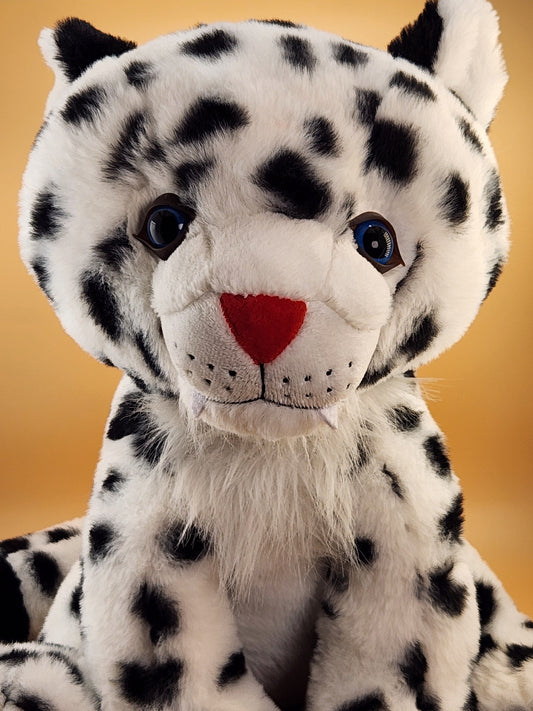
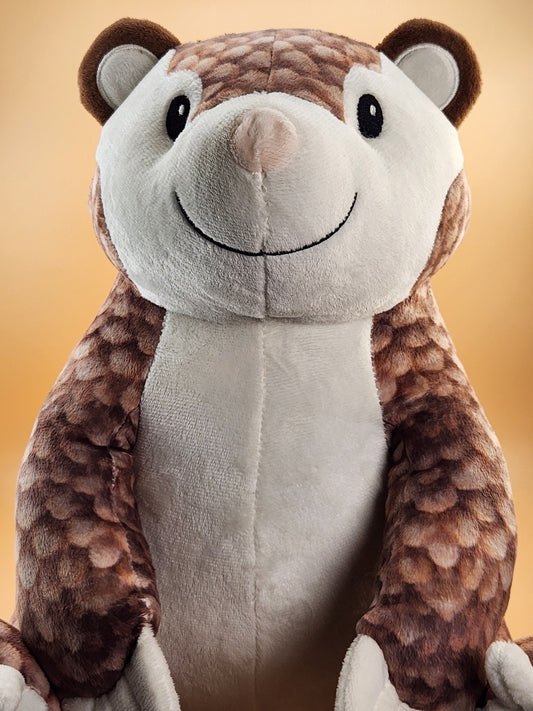
For wildlife-themed comfort and storytelling, one option is to include Snugglebug's species-specific plush animals, such as Paulie the Pangolin, Tashi the Snow Leopard, Ruby the Red Panda, and Wayne the Whooping Crane. These plush toys are modeled after real endangered animals and arrive with educational cards, so they can function as both comfort objects and conversation starters about living things and conservation.
Build a room that invites questions
A good focal point should grow with the child. A leaf mobile might hold a baby's attention now, then later give way to a shelf of animal books and a few plush animals arranged beside a basket of sensory items. That progression keeps the room from feeling stale and avoids the trap of buying decor that only works for a few months.
A room like that can support empathy as well as comfort. A child who reaches for a pangolin plush, sees a crane on a card, or listens to an adult name a red panda is getting a gentle introduction to the idea that animals are real, distinct, and worth caring about.
This wildlife-themed playroom guide pairs naturally with a nursery that uses books, plush animals, and a few tactile accents to build early curiosity.
Sourcing Eco-Friendly Items on a Realistic Budget
A sustainable nursery doesn't need a luxury budget. The strongest approach is to spend on the pieces that affect safety and longevity, then save on items that can be secondhand, borrowed, or handmade. Yellow Door's framework is useful here, because it pushes families to reduce, reuse, recycle, and re-think, then applies those ideas to everyday nursery choices like rainwater use for plants, low-energy lightbulbs, and repurposed craft materials (Yellow Door guidance).
Spend where wear and safety are highest
Buy quality for the crib, mattress, and primary chair if those pieces will carry the most daily use. Save on wall art, storage baskets, blankets, and some decor, because those can be swapped or sourced secondhand without compromising the room's core function. Families can also make small nature projects from recycled cardboard, such as bug homes or bird feeders, if the items are used for supervised play rather than as permanent fixtures.
The same logic applies to lighting. Low-energy bulbs reduce waste and work well in a nursery where lights are on often but usually not at full brightness. A practical room also avoids items that shed microplastics, because the smallest soft goods are often the ones babies mouth, tug, and drag across the floor.
| Category | Budget Range | Where to Save | Where to Invest |
|---|---|---|---|
| Crib and mattress | Higher priority | Skip decorative add-ons | Choose durable, well-finished basics |
| Chair and feeding spot | Higher priority | Use a secondhand frame if stable | Invest in comfort and wipeable fabric |
| Storage and baskets | Moderate | Thrift, reuse, or DIY | Buy only what needs to be sealed or washable |
| Textiles | Moderate | Mix secondhand blankets and linens | Choose safe, easy-to-wash fabrics for the crib area |
| Wall decor | Lower priority | Print and frame simple art | Invest only in one strong focal piece |
| Lighting | Moderate | Keep fixtures simple | Use efficient bulbs and good task light |
A practical setup timeline is 8 to 12 weeks. Start with measurements and layout, then choose major furniture, then finishes, then decor and storage. That sequence keeps impulse buys from filling the room before the safe essentials are in place.
Keep the theme accessible
A nature-based nursery doesn't have to depend on a backyard, a forest walk, or paid outdoor classes. Families in apartments can build the same connection through plant books, animal plush toys, a window perch for observing weather, and open-ended sensory play on a washable mat. The result is still nature-linked, just adapted to the realities of urban living and a tighter budget.
This eco-friendly plush guide is useful for families comparing soft toys that fit a conservation-minded nursery without turning the room into a disposable trend cycle.
Maintaining and Adapting Your Nature Nursery Over Time
A well-built nursery should age with the child instead of being torn apart after one stage. That's why the most useful nature rooms rely on furniture and materials that can shift from infant care to toddler play with only a few changes. A crib, a low shelf, a reading chair, and a rug can stay in place while the room's function evolves.
Keep the room clean without flattening the theme
Wood and organic textiles need regular care, but they don't need fussy treatment. Sealed wood should be wiped clean before moisture sits on the surface, and washable fabrics should be rotated often enough that spills don't become stains. Loose natural textures, such as woven baskets, belong away from the wettest zones so they don't trap dampness or smell musty.
Allergens deserve attention too. Plants, plush toys, rugs, and natural fibers can all collect dust if they're packed too tightly into a room. The easiest fix is restraint, fewer items, easier cleaning, and more air around the things that stay.
The room stays calmer when storage is edited down before the child starts walking.
Let the space grow with the child
As a baby becomes a toddler, the nursery should trade some sleep-only features for play and independence. A low basket for books, a small shelf for animal figures, and a clearer open floor area often matter more than additional decor. Seasonal updates can be as simple as switching prints, rotating plush animals, or changing one textile color while leaving the core layout alone.
A nature themed nursery works long term when its identity comes from repeatable elements, not from one cute phase. Natural light, durable materials, and a few learning-friendly objects stay relevant far longer than trend-led accessories. That's the advantage of the theme, it can remain calming and useful even when the child's needs change.
For families building a nursery that feels meaningful instead of over-decorated, Snugglebug offers wildlife-themed plush animals that connect comfort with conservation education. Explore the species-specific toys and journal resources at Snugglebug if a nursery needs one small object that can support both play and early learning.